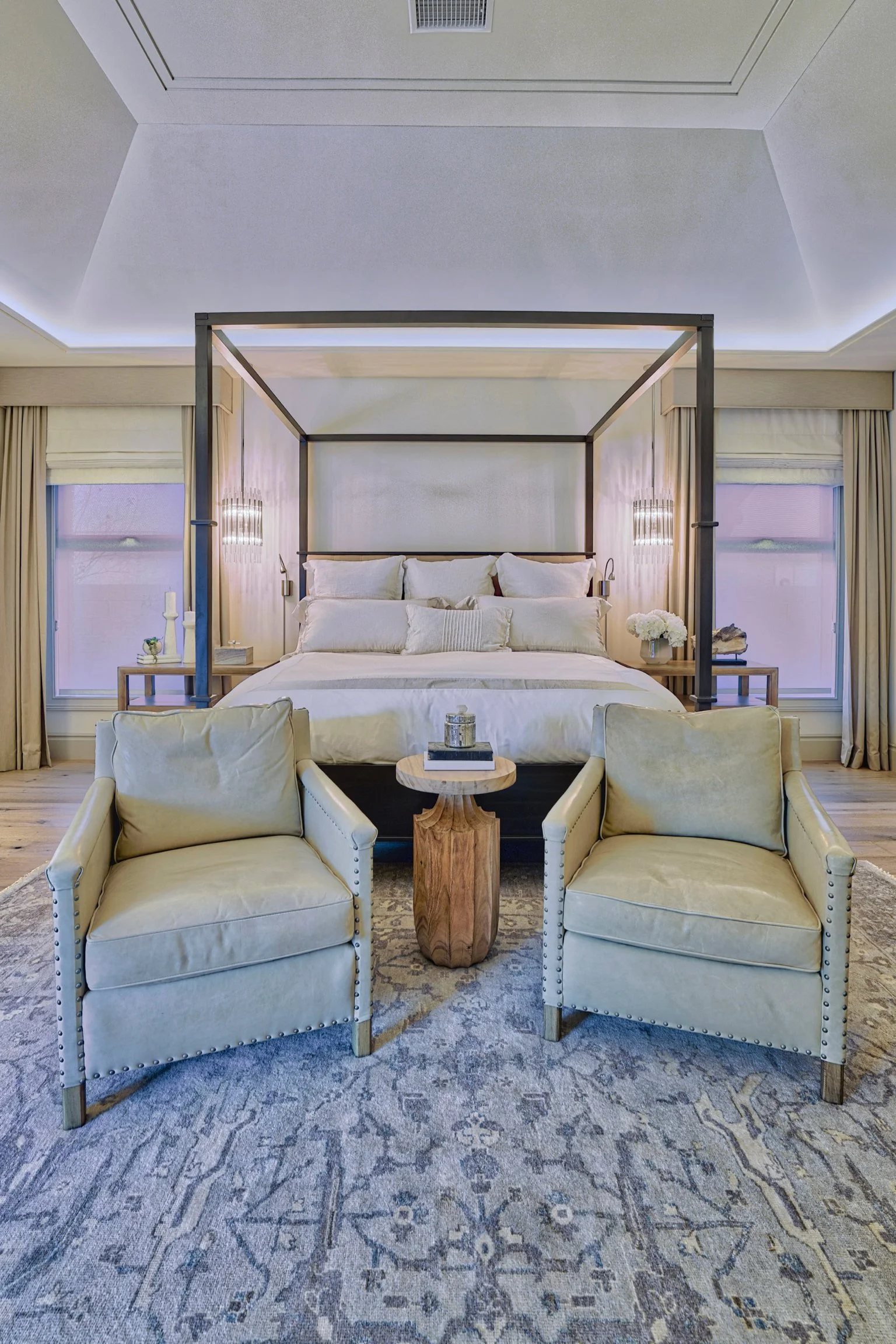


A Designer’s Guide to Renovating Your Orange County Mid-Century Home
There’s something truly magical about a mid-century home—flat rooflines, long horizontal planes, and floor-to-ceiling glass that lets the sunshine pour in. These architectural gems deserve thoughtful renovation—ideally with the expertise of an experienced Orange County interior designer who respects the nuances of the mid-century interior design style. Whether you're opening up the layout, upgrading finishes, or refining the decor of your mid-century Orange County home, here are a few expert tips to help you bring your space into its next beautiful chapter.
There’s something truly magical about a mid-century home—flat rooflines, long horizontal planes, and floor-to-ceiling glass that lets the sunshine pour in. This iconic design aesthetic is characterized by sleek lines, open spaces, and a blend of indoor and outdoor living. In Orange County, where the climate invites year-round al fresco living, this architecture feels especially well-suited—blurring the line between structure and landscape.
If you’re lucky enough to own one of these architectural gems, you already know: they deserve thoughtful renovation—ideally with the expertise of an experienced Orange County interior designer who respects the nuances of the mid-century interior design style. Done well, a mid-century renovation blends reverence for original details with modern livability, creating something that feels at once timeless and tailored. Whether you're opening up the layout, upgrading finishes, or refining the decor, here are a few expert tips to help you bring your space into its next beautiful chapter.
Embrace the Open Layout—But Define It with Intention
One of the hallmarks of mid-century architecture is the open floor plan—a forward-thinking idea that emphasized flow, light, and connection long before it became a buzzword. But not all homes from the era fully embraced it, and many have since been chopped up by misguided renovations. If your space feels disjointed, consider thoughtfully removing non-load-bearing walls to restore that sense of movement and openness.
That said, open doesn’t mean empty. A well-designed layout uses both architecture and furnishings to subtly define zones. Wide transitions—especially those framed by cabinetry, shelving that wraps around a corner, or low partitions—allow your eye to travel freely from space to space while still giving each area its own identity.
Design Insight:
Our minds are surprisingly generous. Even when something like a table lamp or shelving unit partially “blocks” the view, your brain fills in the rest—especially across wide openings. Instead of fixating on keeping everything in your line of sight, focus on functionality and layering to create cozy vignettes. A strategically placed rug or reading chair won't break the flow; it'll enhance it.
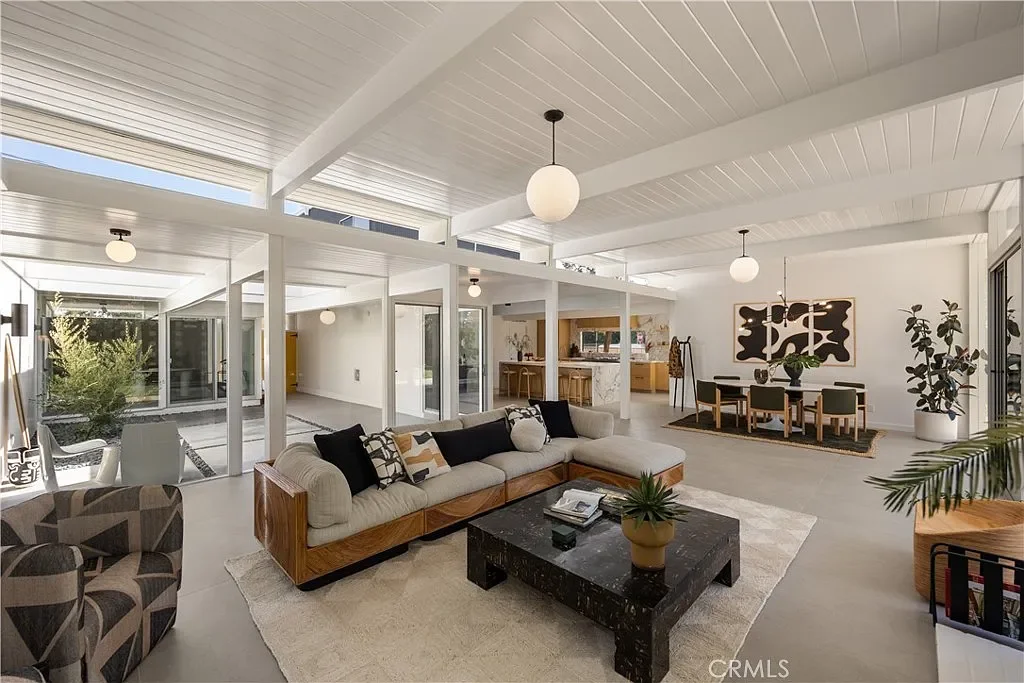
Source: Zillow
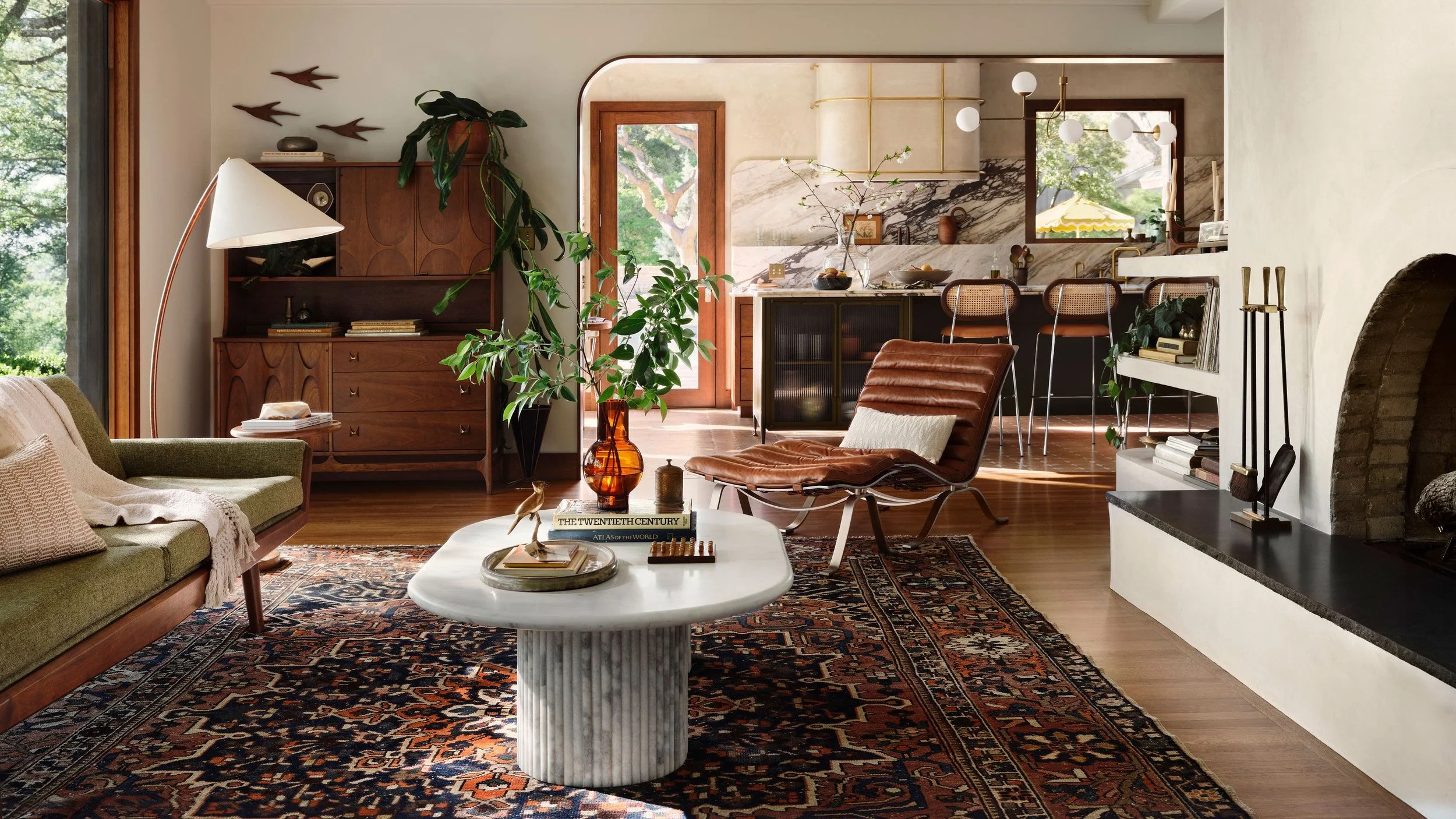
Design by Joanna Gains
Use Planes and Transitions to Shape Space
Mid-century design is all about honoring horizontal and vertical lines. Use the planes of your ceiling and floor to delineate spaces in subtle, architectural ways. Consider stepping down into a sunken living area, varying ceiling heights, or changing flooring material to shift the mood from one zone to the next. These layered transitions allow the home to feel open and intentionally arranged.
Design Insight:
Use area rugs, lighting, and anchored furniture groupings to create cozy, functional zones. A low-slung sofa on a thick woven rug can instantly define a conversation area, while pendant lights or directional sconces help emphasize purpose without interrupting the openness.
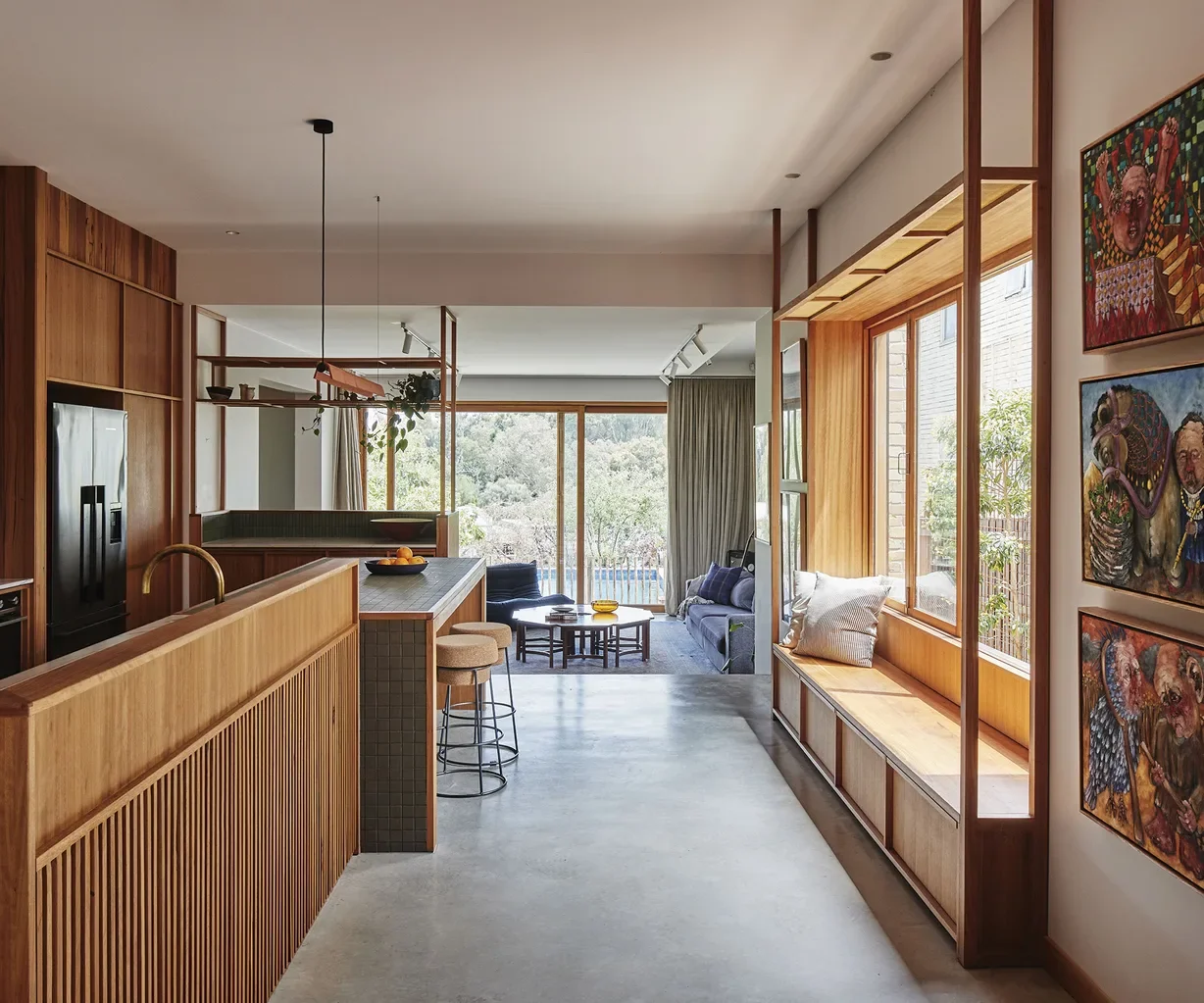
Designed by MRTN Architects Source
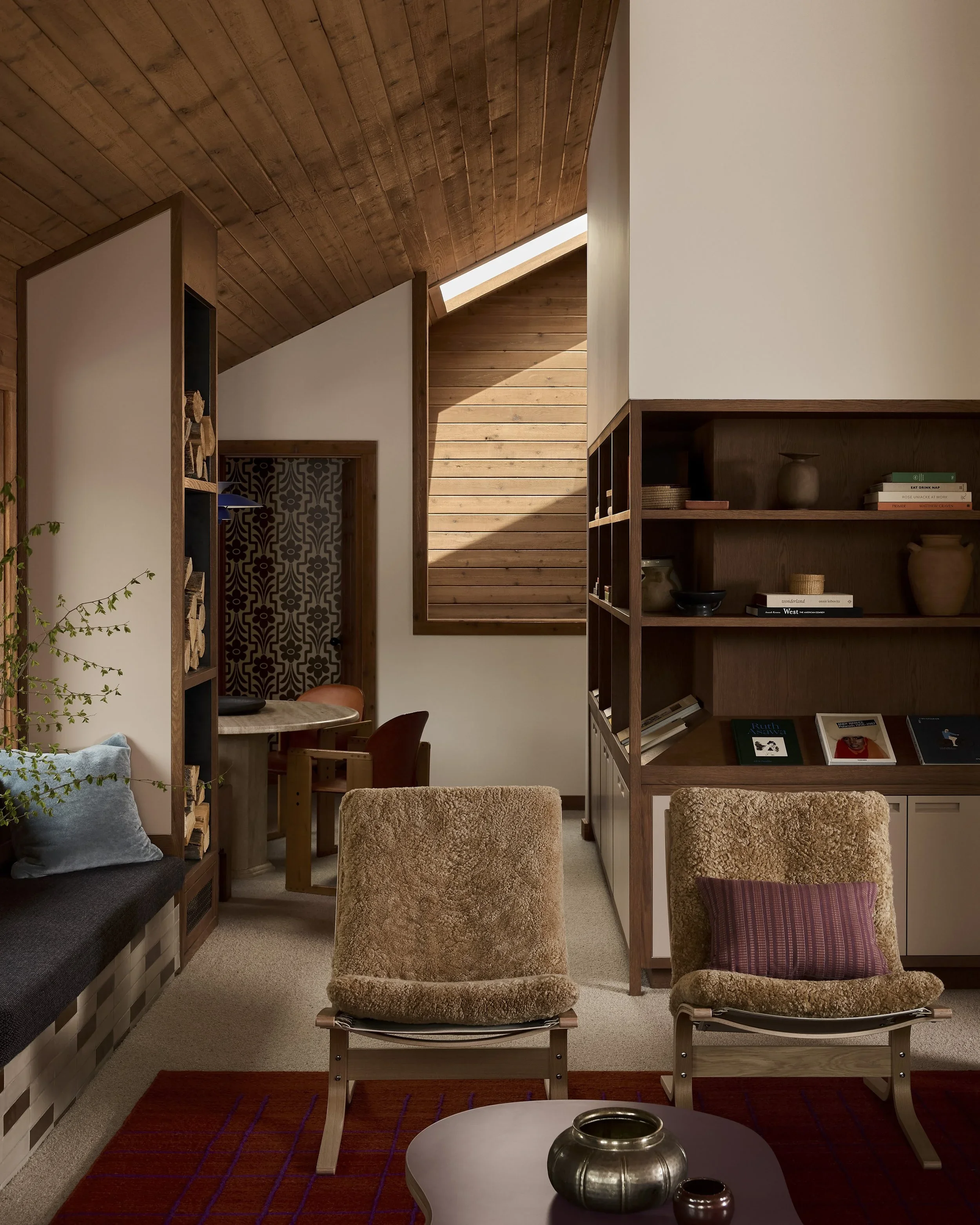
Design by Yond Interiors
Respect the Aesthetic—But Make it Your Own
The mid-century interior design style celebrates simplicity, honesty of materials, and organic forms—principles that still resonate deeply in well-designed homes today. But that doesn’t mean your home has to look like a time capsule. Channel the spirit of the era with clean-lined furniture, warm woods, and low profiles—but make it yours.
Pro Tip:
Modern luxury is all about restraint. Invest in timeless pieces: a sleek walnut console, a sculptural chair with worn-in leather, or a minimalist pendant light that nods to the 1960s without screaming retro. Layer in era-inspired colors—like olive, ochre, or rust—through art, upholstery, or even tile. Just keep the palette curated, not chaotic.
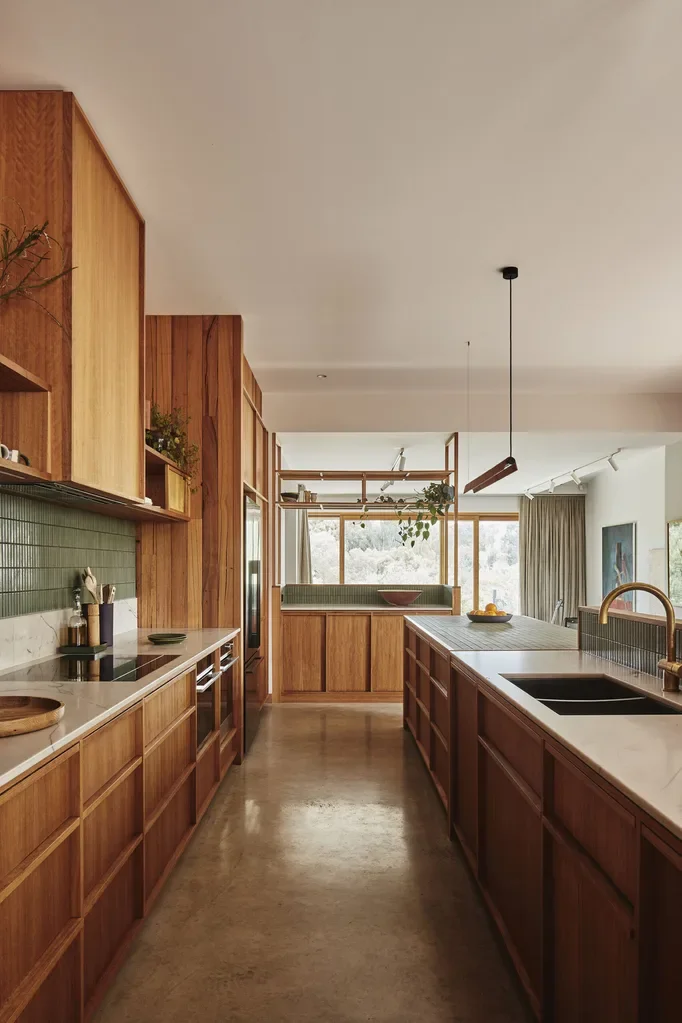
Designed by MRTN Architects Source
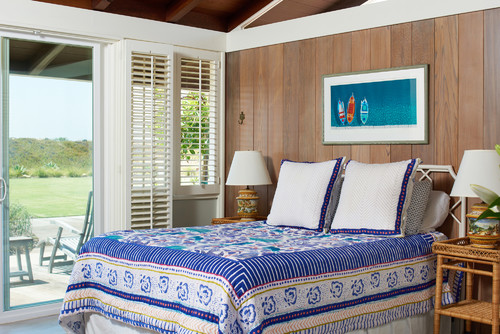
Let Natural Light Lead the Way
Glass walls and clerestory windows are some of the most beloved features in mid-century homes. If your home has them, preserve them. If it doesn’t, now is the time to consider strategic additions. Oversized sliding doors, skylights, and floor-to-ceiling glazing can drastically improve the way your home feels from morning to night. You can also use mirrors or glossy surfaces to reflect light deeper into the home. A mirrored wall behind a floating console or a metallic backsplash in the kitchen can subtly bounce light and expand space.
Pro Tip:
Don’t let window treatments be an afterthought—they should complement the architecture, not compete with it. For sun protection that doesn’t block a killer view, opt for minimal roller shades that filter light without distraction. Where privacy or blackout is needed, floor-to-ceiling drapery on a recessed ceiling track adds softness and function without interrupting the clean lines of floor to ceiling glass.
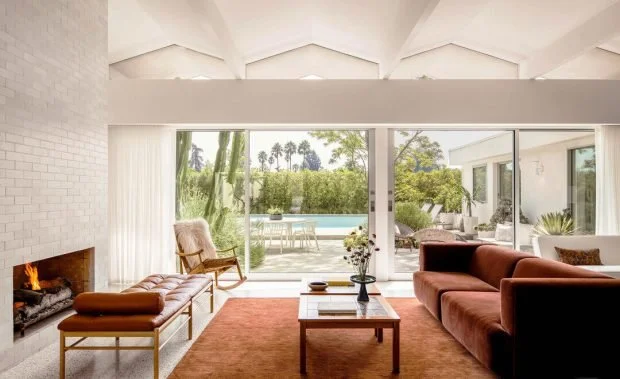
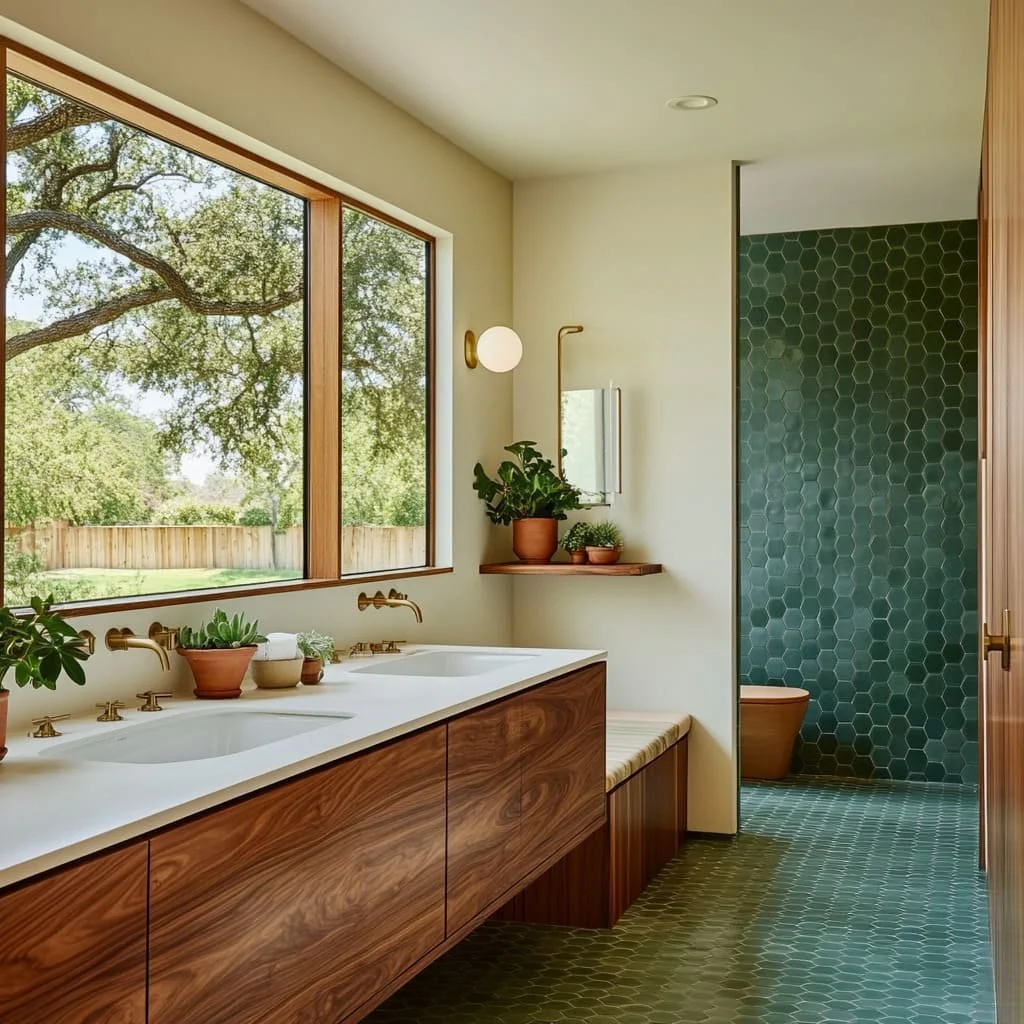

Design by Studio Mellone
Create Seamless Indoor-Outdoor Connections
One of the joys of mid-century design is the blur between inside and out. Renovating with this in mind means more than just opening up the back of the house—it’s about material continuity. Think terrazzo that flows from the living room onto the patio, brick that wraps from the fireplace out to the exterior wall, or slatted wood ceilings that stretch across the soffit outside.
Design Insight:
Low-slung rooflines and extended overhangs are part of the DNA. If you're renovating, consider enhancing or restoring these features—they provide sun protection and style in equal measure. And treat your outdoor space as a true extension of the home—furnish it thoughtfully with pieces that mirror your interior materials, and build in elements like outdoor storage, integrated planters, or a modern fire pit.

Design by Studio Mellone

Photo by AG Milworks
Invest in Materials That Stand the Test of Time
Mid-century homes were built with longevity in mind—and your renovation should follow suit. Avoid overly trendy finishes and instead focus on material integrity. Natural wood, stone, handcrafted tile, and metal finishes that patina over time will feel more authentic and luxurious than anything flashy or synthetic.
Pro Tip:
Don’t rip out the good stuff! If you’ve inherited original built-ins, paneling, or wood floors, refinish and reinterpret them. They’re what make your home special.
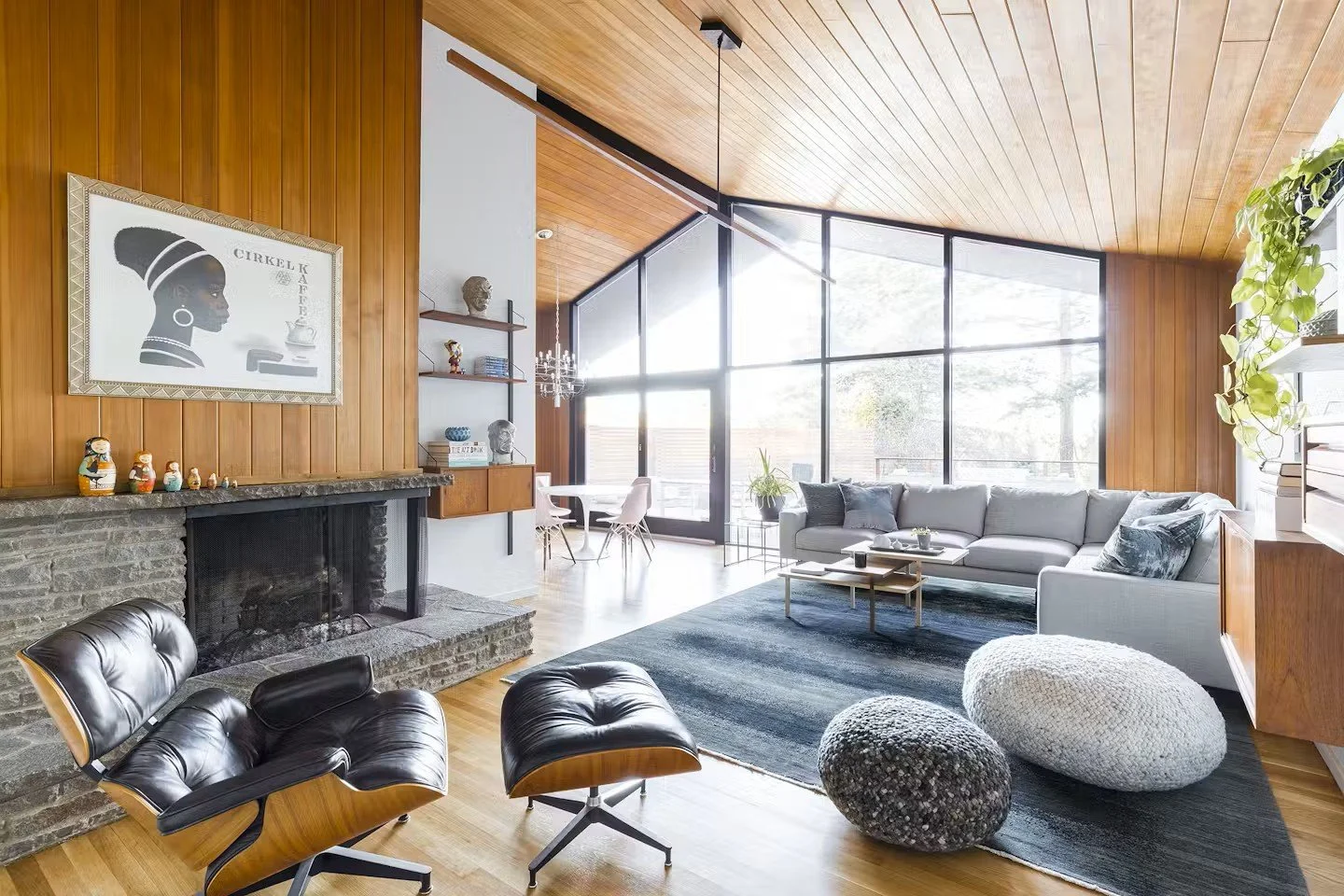
Designed by Penny Black Interiors
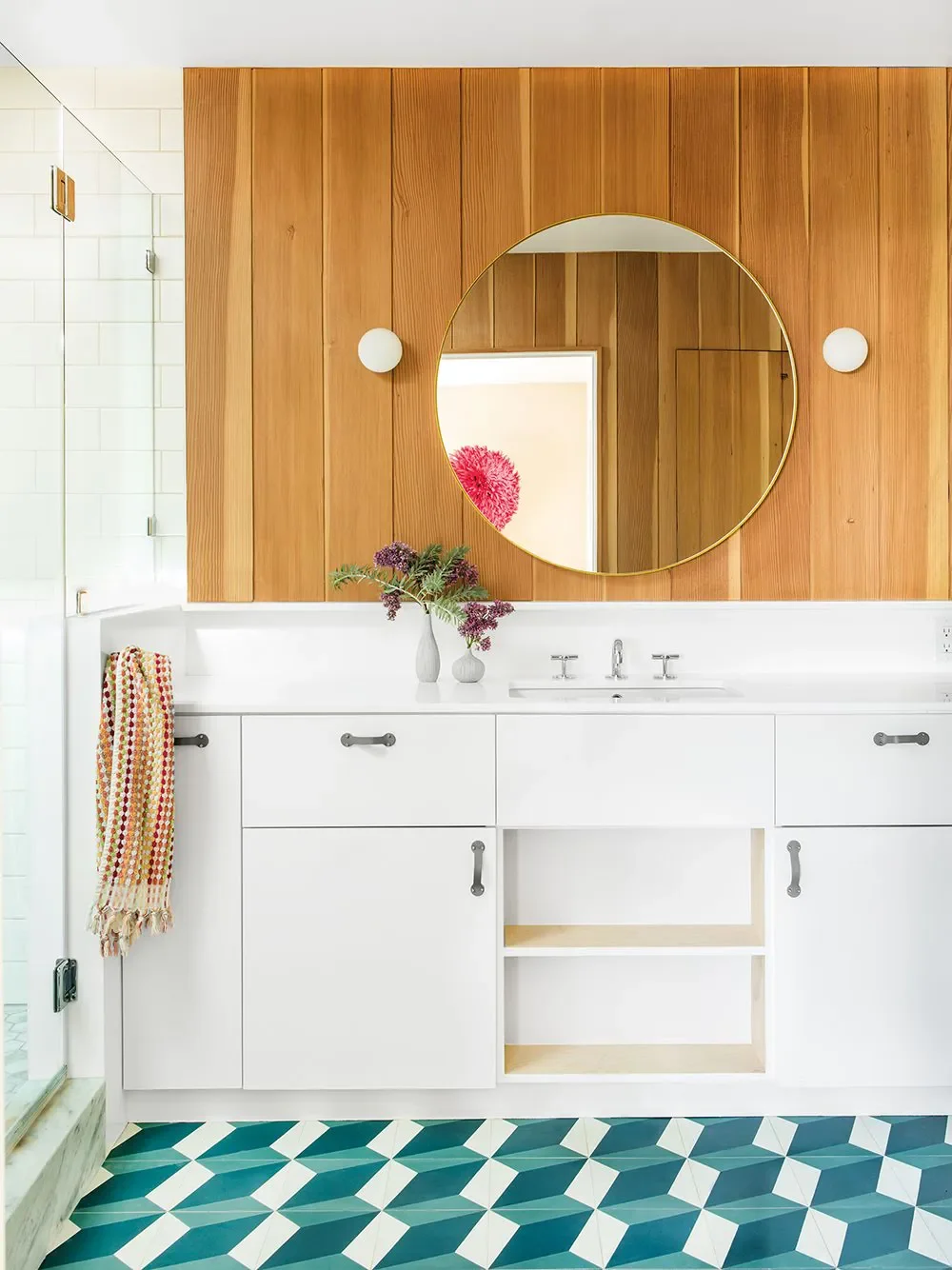
Designed by Barbara Bestor
Layer In Personality—With Thoughtful Restraint
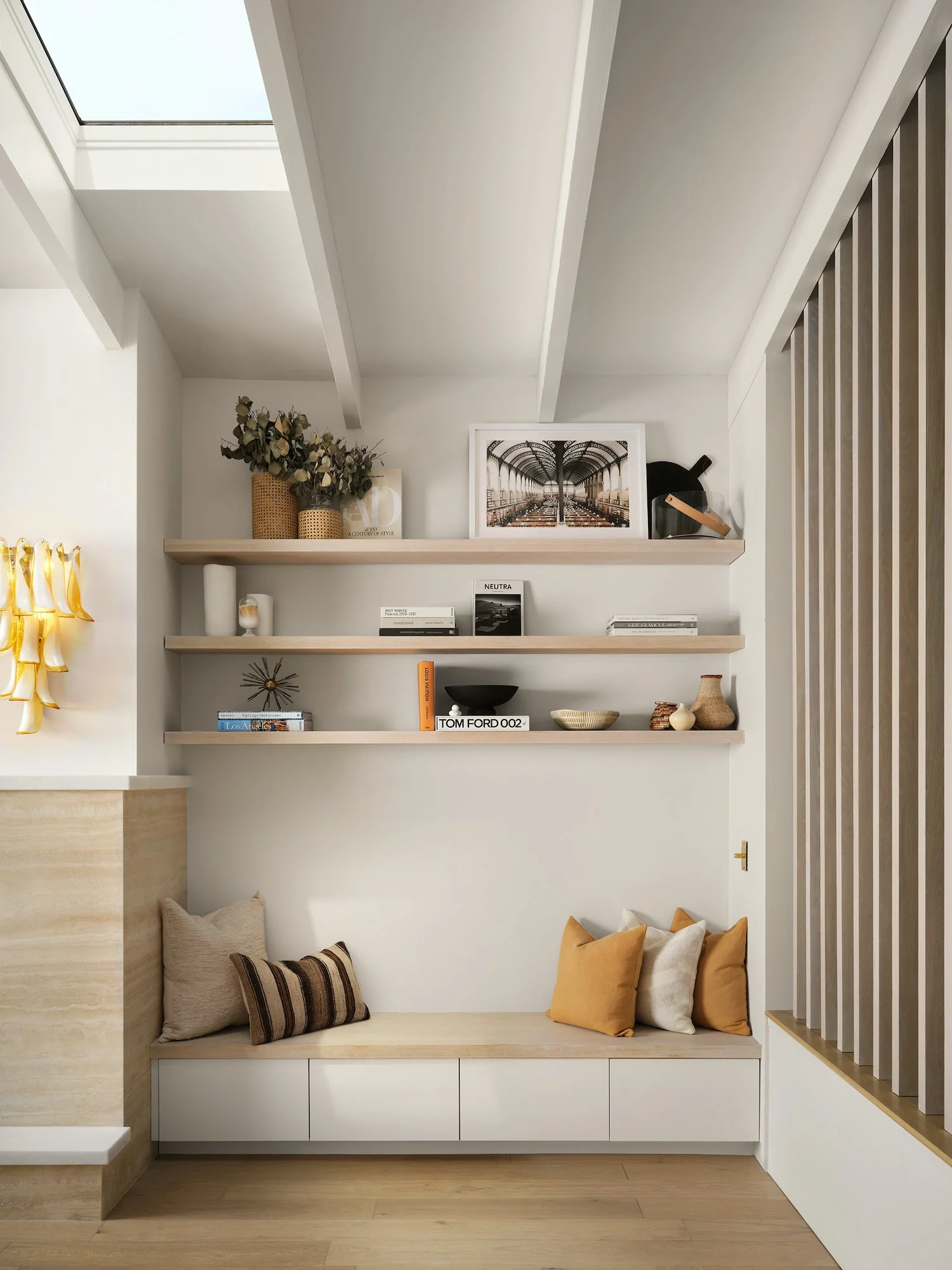
A mid-century home doesn't need a lot of embellishment. But that doesn't mean it should feel generic. Art, textiles, and collected objects should be curated and intentional—each piece telling a bit of your story. The best spaces feel designed, not decorated.
Pro Tip:
Try pairing something vintage (like an Eames lounge or a George Nelson lamp) with something unexpected and current. This juxtaposition gives your home a sense of timelessness that never feels stuck in the past.
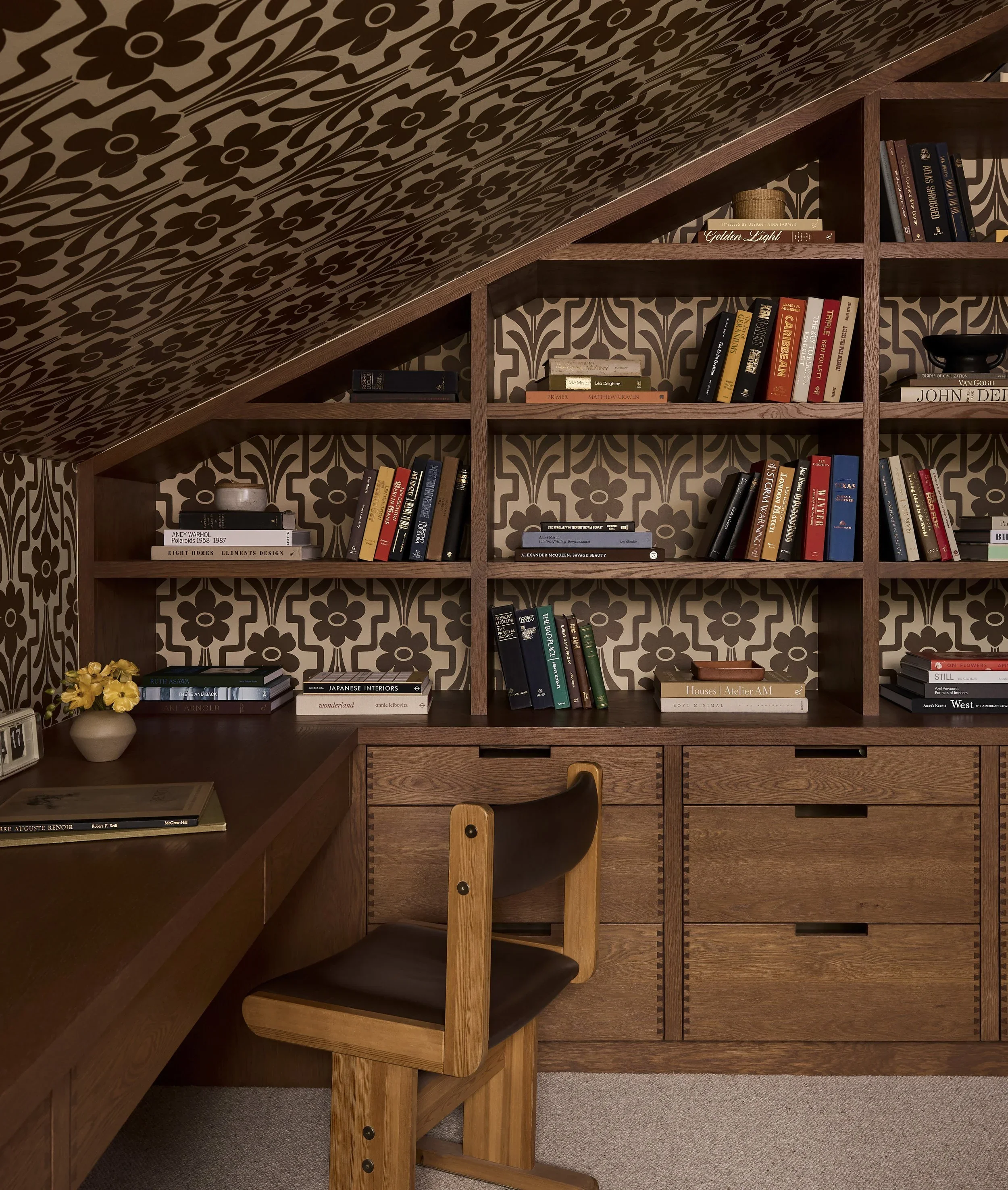
Design by Yond Interiors
Designed by Christina Kim
Conclusion
Renovating a mid-century home is equal parts preservation and possibility. In Orange County, where indoor-outdoor living is a way of life, these homes are perfectly suited for a thoughtful refresh. Embrace the unique architectural features, keep the materials honest, and infuse your personal style. With the right balance of reverence and reinvention, your home can celebrate the best of the mid-century era while giving you the comfort and tailored functionality of modern life.
Looking for thoughtful, expert design for your Orange County mid-century home? As an Orange County interior designer with a deep appreciation for the mid-century interior design style, we’d be honored to help—reach out to get started.

The Enduring Style of Japandi Interior Design
Japandi may feel like a rising trend in today’s interior design world, but it’s anything but new. This style of Japanese and Scandinavian design have long shared an appreciation for simplicity, craftsmanship, and a connection to nature. The relationship between these design philosophies is built on shared values—minimalism with warmth, functionality with beauty. If you love the serene warmth and simplicity of Japandi interior design style, read on to discover more about this style and how you can incorporate it into your own home.
Japandi may feel like a rising trend in today’s interior design world, but it’s anything but new. This style is deeply rooted in the centuries-old traditions of Japanese and Scandinavian design, two aesthetics that have long shared an appreciation for simplicity, craftsmanship, and a connection to nature. The relationship between these design philosophies is built on shared values—minimalism with warmth, functionality with beauty. While Japandi is certainly having a moment in modern interiors, its core principles of balance and tranquility have stood the test of time. As a designer, I love exploring styles that feel both timeless and adaptable so we’re ready to accommodate each client’s personal sense of a style in a way that feels both fresh and long-lasting. If you love the serene warmth and simplicity of Japandi interior design style, read on to discover more about this style and how you can incorporate it into your own home.
Design & Rendering by Vieve Interiors
What Is Japandi Design?
At its core, Japandi merges two beloved design sensibilities: the refined minimalism of Japanese interiors and the cozy functionality of Scandinavian homes. It embodies wabi-sabi, the Japanese appreciation for imperfection and authenticity, alongside hygge, the Scandinavian concept of warmth and comfort. The result? A home that feels effortlessly curated, inviting, and harmonious.
Here’s what makes Japandi so distinctive:
Minimalism with Purpose – Every piece is chosen with intention, reducing clutter while maintaining warmth.
Natural Materials – Wood, linen, bamboo, and stone create an organic, grounded aesthetic.
Muted Color Palettes – Soft neutrals like beige, cream gray, brown, and muted greens set a soothing backdrop.
Handcrafted Details – Artisanal elements, from pottery to woven textiles, add depth and soul.
Simplicity with Warmth – Japandi embraces minimalism, but never at the expense of comfort.
Japandi and the Philosophy of Wabi-Sabi
Japandi draws heavily from the Japanese philosophy of “wabi-sabi,” which is about far more than just aesthetics. This philosophy is about seeing the beauty in the imperfections in the world and in life. Wabi-sabi originated in China, but evolved seven hundred years ago into a Japanese ideal. In Japandi interiors, wabi-sabi can be seen in organic textures, handcrafted details, and natural aging—think weathered wood, handmade ceramics with slight asymmetries, and the patina that develops over time on well-loved furniture and objects.
Couldn’t we all benefit from taking a step back and adopting wabi-sabi? I know I could! Instead of stressfully striving for what we think is perfection, take time to pause, embrace authenticity, and appreciate the bumps and irregularities that give character–both design and in life!

The Cozy Comfort of Hygge in Japandi Design
A key element that makes Japandi interiors feel so inviting is the incorporation of hygge, a Scandinavian concept centered around comfort, warmth, and well-being. While wabi-sabi embraces imperfection, hygge emphasizes creating a sense of coziness and contentment in daily life.
Incorporating hygge in your home could be as simple as lighting a candle or, on a larger scale, planned and intentional as carving out spaces in your home for gathering with loved ones or reading a book. Hygge-inspired elements in Japandi interiors include plush textiles, soft lighting, and intimate gathering spaces that encourage relaxation. Picture a low-slung sofa layered with linen cushions, a woven wool throw draped over a reading chair, or the gentle glow of candlelight on a natural wood dining table. This balance of minimalism with warmth is what makes Japandi interior design style both aesthetically pleasing and deeply livable.

Source
How to Bring Japandi into Your Home
1. Stick to a Neutral and Earthy Color Palette
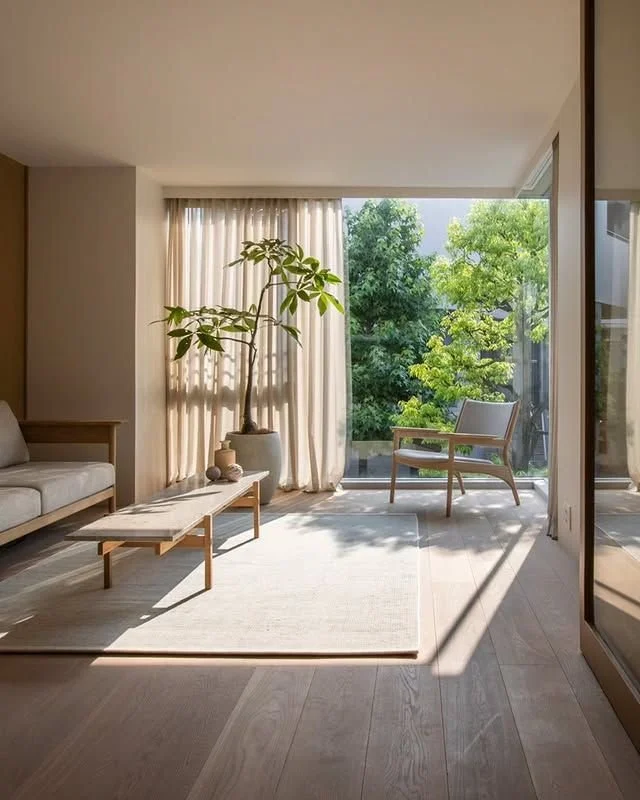
Japandi interiors embrace soft, nature-inspired hues that create a calming environment. Start by choosing muted, understated tones like beige, taupe, oatmeal, and stone. Depending on the vibe you want for each space, you could choose to go for a more light and bright scandinavian slant with cream walls, while a deeper taupe or a soft brown would give a more moody Japanese vibe. Either way, a simple neutral palette that highlights the beauty of natural materials will be sure to create a serene backdrop for your Japandi-inspired space.

2. Choose Functional, Thoughtfully Designed Furniture
Japandi furniture blends form and function seamlessly. Think sleek, low-profile designs crafted from high-quality wood, often with multifunctional elements that enhance both aesthetics and practicality. We love to incorporate custom built-in furniture like desks or benches with storage to hide away items and keep things clutter free. The custom Japandi-style sectional sofa below was designed to create a zen yoga and relaxing room while also incorporating a pull-out sofa to accommodate overnight guests. Whether you’re designing a workhorse piece like this, or selecting a simple coffee table focus on quality, simplicity, and functionality, so they work with your decor and stand the test of time.

Design & Rendering by Vieve Interiors
3. Incorporate Natural and Sustainable Materials
Bringing the outside in is a fundamental principle of Japandi. Wood, rattan, bamboo, and stone not only add warmth and texture but also enhance sustainability. A live-edge dining table or linen-upholstered seating can make a space feel both organic and refined. We love using white oak cabinetry which lends itself well to this style (as well as many others).

Designed by Vieve Interiors
4. Keep Decor Thoughtful and Minimal
Japandi is about mindful curation rather than excessive decoration. Instead of filling a space with unnecessary accessories, opt for a few handcrafted pieces—ceramics, woven baskets, or sculptural vases with greenery—to enhance the natural beauty of your home. We love open shelving in a kitchen to display items that are both beautiful and useful like cutting board and serving bowls, again embracing that wabi-sabi philosophy.

5. Layer in Soft, Ambient Lighting
Lighting plays a crucial role in setting the mood. In Japandi design, soft, diffused lighting from paper lanterns, sculptural pendants, or wall sconces creates a cozy yet airy ambiance. If you’re doing a remodel or new build, consider adding architectural elements to house indirect LED lighting instead of traditional recessed can lights.

6. Bring Nature Indoors
A Japandi home isn’t complete without an organic touch! Bonsai trees, olive plants, or pampas grass can infuse the space with life and reinforce the connection to nature.
Why Japandi Design Continues to Resonate
What I find most compelling about Japandi interior design is its ability to transcend trends and remain relevant across different lifestyles. It’s not about following a prescribed look—it’s about embracing a thoughtful approach to design that fosters peace and well-being.
Interestingly, Japandi shares many similarities with modern organic design, another style that emphasizes natural materials, neutral palettes, and a strong connection to nature. Both styles prioritize simplicity and sustainability while maintaining warmth and character in a space. If you’re drawn to Japandi, you may also enjoy exploring modern organic design—read more about it here!
While Japandi is certainly making waves in contemporary interiors, its principles—simplicity, quality, and a connection to nature—have stood the test of time. Whether it’s Japandi or another aesthetic, my approach as a designer is always to create spaces that feel authentic to the people who live in them. And if a home can bring a sense of serenity and joy? That’s the ultimate success.
Looking to explore Japandi or another design style that suits your lifestyle? Reach out today to create something beautiful together!

Top 10 Interior Design Trends to Watch for in 2025
The future of interior design is shaping up to be bold, thoughtful, and packed with personality. As an interior designer, I can tell you that 2025 is going to be all about creating spaces that reflect your unique style while incorporating functionality, sustainability, and a touch of innovation. Whether you’re planning a full renovation or just looking for a few fresh ideas, these trends are sure to inspire. Let’s dive in!
The future of interior design is shaping up to be bold, thoughtful, and packed with personality. As an interior designer, I can tell you that 2025 is going to be all about creating spaces that reflect your unique style while incorporating functionality, sustainability, and a touch of innovation. Whether you’re planning a full renovation or just looking for a few fresh ideas, these trends are sure to inspire. Let’s dive in!
1. Color Drenching: The Power of Monochrome
At the top of the list for 2025 trends is color drenching! This dramatic technique wraps your walls, ceilings, trim, and even furniture in a single bold hue or variations of the same shade. The result? An immersive look that feels both chic and daring. If you love the idea but feel hesitant, try it in a small space like a powder bath or mudroom, where you can embrace a more adventurous design for short periods of time. You can still maintain a light and airy feel in the main areas of your home while adding these deep, rich pockets of color that create a striking sense of personality. It’s the perfect way to add sophistication and depth without overwhelming your space!

2. Saturated Moody Hues: Drama and Depth
Whether youre color drenching a space or just looking to incorporate some bold accents, rich, moody hues are the way to go! Think jewel-box colors like earthy, forest greens, chocolate browns, and crimson reds like oxblood, black cherry, merlot, and burgundy to create the perfect sense of drama and intimacy. I often pair these tones with natural textures—think leather, wood, or stone—for a sophisticated, grounded feel. These colors are versatile too! Whether you want an accent chair or a fully saturated space, they’ll bring so much personality to your home.

Design by Marie Flannigan
3. Darker Wood Tones: Timeless Elegance
Darker wood tones like walnut and mahogany are back in a big way! These rich finishes bring warmth and luxury to any space, whether it’s a modern kitchen or a classic living room. Even the beloved white oak we see so often is taking on darker stains all over the design landscape. If you’re planning a remodel, consider a dark wood kitchen island amidst your lighter wood tones. Or if you just need a small update, furniture in darker tones will do the trick. Our tip— remember to repeat similar hues around your space for a look that is balanced without being matchy matchy.

Designed by Anna Knight Interiors
4. Spa-Like Bathrooms: The Home Oasis
Who doesn’t love a spa day? This year, bathrooms are becoming true retreats, with soothing palettes, natural materials, and indulgent features like rainfall showerheads and heated floors. We are still regularly incorporating oversized soaking tubs and steam showers into luxury bathroom remodels. And don’t forget integrated outlets for all your gadgets in medicine cabinets or vanity drawers —these modern conveniences and luxury details are all about creating that “ahhh” moment at home.

Design by Vieve Interiors
5. Ogee Edge Countertops: A Touch of Curved Sophistication
If you’ve been following countertop trends, you know edges make all the difference. Believe it ir not, the ogee edge is back, offering a curved, detailed finish that adds an undeniable sense of luxury. Designers all over are taking this trend to the next level by adding layered edge details for a unique embellishment, as we did in our airy transitional project. We firmly believe this elevated classic detail will enhance your home's appeal and stand the test of time.

by Vieve Interiors
6. Sustainable and Biophilic Design: A Natural Harmony
Sustainability and biophilic design go hand-in-hand in 2025. With materials like reclaimed wood, bamboo, and recycled metals clients are embracing eco-friendly materials while also inviting nature indoors. We particularly love incorporating indoor greenery, like a living wall or even just a few beautiful potted plants, to soften a space and improve air quality. Plus, large windows and skylights are must-haves for making the most of natural light.

Source
7. Warm Minimalism: Clean Meets Cozy
While clean lines and uncluttered spaces remain the foundation, they’re now warmed up with plush textures, natural materials, and muted, earthy color palettes. Imagine cozy wool throws, boucle armchairs, and linen drapery paired with sleek, functional furniture. This trend strikes the perfect balance between simplicity and comfort, resulting in serene, inviting environments that promotes well-being. It’s the ideal choice for those who love intentional design with a welcoming warmth.

Design by Anne-Marie Barton
8. Vintage Nostalgia: A Modern Twist on the Past
As editor-in-chief of Country Living says, what’s considered “out” can also be thought of as “early” because trends always come back around. Retro styles and laid-back country aesthetics are making a comeback, infused with modern updates. Expect to see earthy tones, bold geometric prints, wood paneling, curved furniture, and velvet upholstery. The retro aesthetic mixes nostalgia with comfort, striking a balance between vintage charm and contemporary functionality.

9. Lived-In Luxury: Polished Yet Personal
Here’s a trend we adore: lived-in luxury. Overwhelmingly, designers are prioritizing personal expression. Whether it’s a vintage rug paired with high-end finishes, personal artwork mixed with marble surfaces, or layers of textures that feel curated yet comfortable. This style celebrates imperfection and tells a story, making your home feel elegantly individualistic, while remaining cozy and unstuffy.

Design by Rafterhouse
10. Tech-Integrated Homes: Smart Living
Smart technology is getting even smarter—and sleeker! From hidden charging stations to voice-activated lighting, tech is blending seamlessly into interiors. I always emphasize subtle integration, ensuring that technology enhances the design rather than overwhelming it.

Source
Conclusion
Interior design in 2025 is all about creating spaces that are personal, functional, and beautiful. Whether you’re drawn to the drama of color drenching, the sustainability of eco-friendly design, or the warmth of darker woods, these trends offer inspiration to create a home that’s not just beautiful, but also meaningful, functional and uniquely you. Ready to bring these ideas to life? Schedule a discovery call with us today to discover how we can help you make your dream home a reality!
The Art of Kitchen Cabinetry: Balancing Style and Function
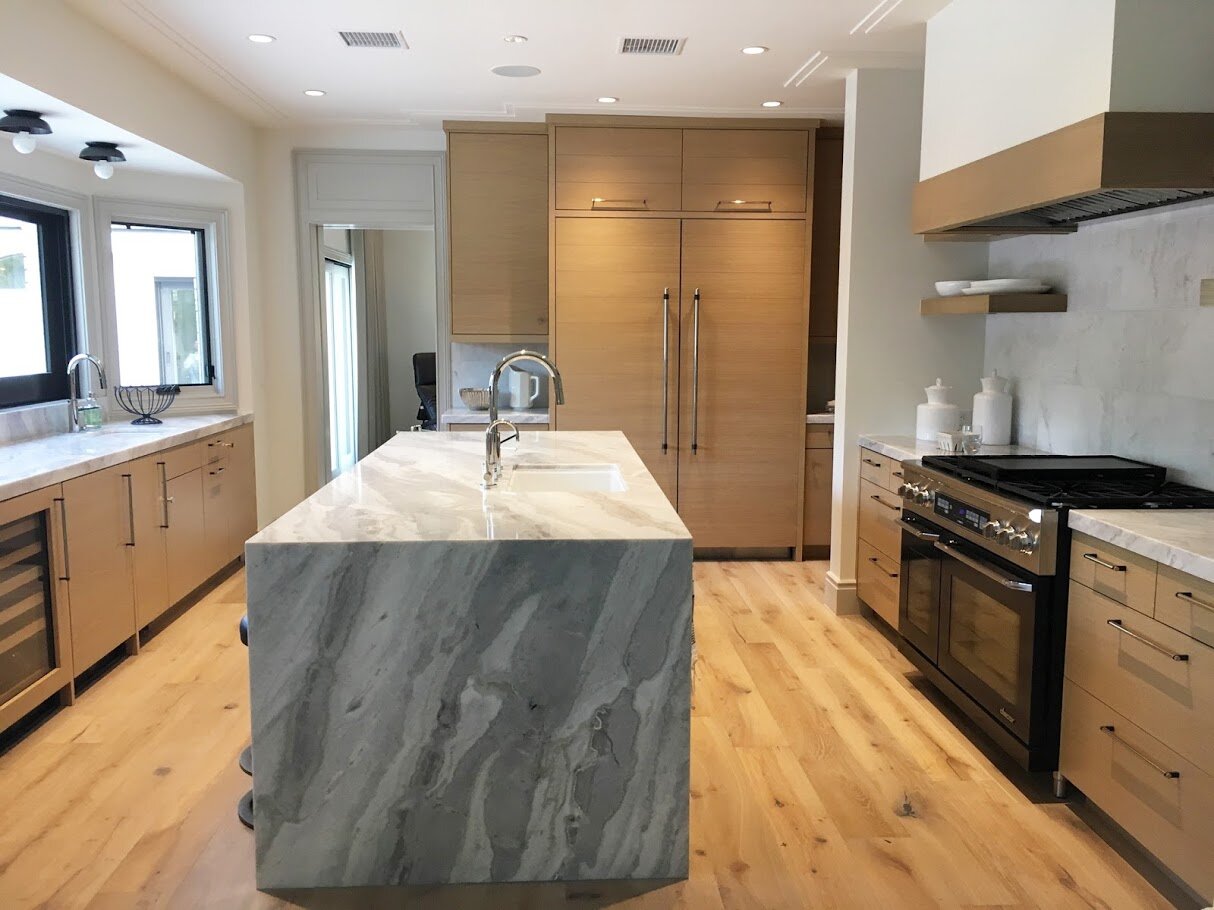
When it comes to designing a kitchen that is both stunning and highly functional, cabinetry plays an absolutely vital role. Cabinets aren’t just about storage—though we all know how important that is; They also serve as a major visual anchor in your kitchen’s overall design. From clever storage solutions to the perfect finishes, your cabinetry choices can dramatically impact how your kitchen feels, looks, and functions!
1. The Power of Storage Solutions
A well-organized kitchen is key to a smooth cooking experience, especially when you’re in the middle of a busy weeknight dinner or hosting a big gathering. That’s why smart storage solutions are key. The right cabinetry can keep everything clutter-free and accessible, so you’re not wasting time digging through drawers or reaching into awkward spaces. Here are a few of our favorite storage ideas to maximize your kitchen’s efficiency:
Pull-Out Drawers: Deep drawers that fully extend are game-changers for storing bulky items like pots, pans, or small appliances. No more reaching into the back of cabinets—you can see and access everything easily!
Custom Inserts: We love using custom dividers and inserts for things like cutlery, spices, and utensils. These maximize every inch of your cabinet space, keeping things organized and within arm’s reach.
Corner Cabinets with Lazy Susans: Corner spaces can be tricky, but with a rotating lazy susan, you can fully access those hard-to-reach areas with ease. No more lost or forgotten items in the back!
Pantry Pull-Out Drawers: To maximize storage in your pantry, pull-out drawers are a must! They allow easy access to dry goods, snacks, and spices without having to shuffle things around. And here’s a pro tip: pull-out drawers can also be a great feature under an island overhang where typical drawers would be inaccessible. This makes use of every inch of space while keeping things neat and within easy reach.
By incorporating these thoughtful storage features, you can streamline your kitchen’s workflow and maintain a tidy, efficient space—making cooking (and cleanup!) a breeze.

Image by Studio Dearborn
2. Selecting the Perfect Cabinet Finishes
While functionality is crucial, the finish you choose for your cabinetry is what will set the tone for your kitchen’s style and ambiance. The right finishes can transform your cabinets from mere storage units into standout design elements. Here are some of the most popular finishes we recommend:
Painted Finishes: A painted finish gives cabinets a smooth, uniform look and can be customized to fit any color scheme. We often recommend timeless whites and neutrals for versatility, but bolder shades like navy, sage, or charcoal are also perfect for making a stylish statement.
Wood Stains: For those who want to embrace a more natural, earthy aesthetic, wood stains allow the grain to shine through. Whether it’s a light oak or a deep walnut, stained cabinetry adds warmth and texture, creating a cozy yet sophisticated vibe.
High-Gloss & Matte Finishes: High-gloss finishes are fantastic for achieving a sleek, modern look with a reflective, polished surface. On the flip side, matte finishes offer a more understated, contemporary feel with a soft, non-reflective surface that exudes quiet elegance.
Two-Tone Cabinets: We love mixing finishes! Pairing painted upper cabinets with wood-stained lower ones creates visual interest and helps break up a monochromatic look. It’s a fun way to add dimension and personality to your kitchen!
Choosing the right finish is where you get to showcase your personal style. It’s all about creating a look that enhances the overall design of your home while adding charm and character to your kitchen.

Design by Vieve Interiors
3. Balancing Beauty and Functionality
In kitchen design, it’s all about striking the perfect balance between beauty and functionality. After all, your kitchen should look stunning but also meet your everyday needs. We always start by considering practical needs to determine a layout that works best for your storage needs and cooking habits.A well-designed kitchen cabinet layout improves the flow of your space, helping you to move effortlessly between prep, cooking, and cleanup zones.
Once the functional elements are in place, we focus on aesthetics. Cabinet finishes and design details should complement the other materials in your kitchen—think countertops, backsplash, and flooring. By blending practical storage solutions with finishes that reflect your personal style, you’ll create a kitchen that feels cohesive, efficient, and truly custom to you.

Image by McCroskey Interiors
Final Thoughts
Cabinetry is the backbone of any kitchen, providing essential storage and a canvas for the design details that bring your space to life. By choosing cabinets that balance form and function, you can transform your kitchen into an organized, beautiful space that enhances both your cooking experience and the overall aesthetic of your home.
And this is just the beginning! Be sure to explore the rest of our Kitchen Design Elements series, where we cover everything from countertops to backsplash and more. If you need a little help pulling it all together, we’d love to help! Contact us today, and let’s start creating the kitchen of your dreams!

Kitchen Design Elements: Spotlight on Appliances
Today, we’re kicking off this Kitchen Design series with one of the most important aspects of kitchen design—appliances. Selecting the right appliances can elevate your kitchen's functionality and style, transforming it into the heart of your home. From sleek, modern designs to professional-grade classics, your appliance choices will have a lasting impact on both the look and performance of your kitchen. With the right selection, your kitchen will not only meet your needs but do so with ease and efficiency! So, let’s break it down together, and we’ll walk you through the essential kitchen appliances and what to consider when selecting each one.
Today, we’re kicking off this Kitchen Design series with one of the most important aspects of kitchen design—appliances.
When designing a kitchen, selecting the right appliances can elevate your kitchen's functionality and style, transforming it into the heart of your home. Whether you’re a gourmet chef who loves experimenting with complex dishes or someone who values simplicity and ease, choosing appliances that match your lifestyle is essential. From sleek, modern designs to professional-grade classics, your appliance choices will have a lasting impact on both the look and performance of your kitchen. With the right selection, your kitchen will not only meet your needs but do so with ease and efficiency!
So, let’s break it down together, and I’ll walk you through the essential kitchen appliances and what to consider when selecting each one.
Refrigerators: The Kitchen’s Crown Jewel
The refrigerator is more than just a storage space—it's the centerpiece of your kitchen’s functionality. Today’s refrigerators come packed with features like smart controls, built-in water dispensers, and flexible storage options. Whether you're drawn to a sleek, stainless steel model that makes a bold modern statement or prefer a panel-ready option that seamlessly blends with your cabinetry, the choice is yours! For a symmetrical, modern look, French-door refrigerators offer easy access with the freezer conveniently located below, while side-by-side models are ideal for those needing extra freezer space. And if you have a large family, love to cook, or entertain frequently, column refrigerators provide ample storage, customization options, and add a touch of luxury. When choosing, be sure to consider your cooking habits, household size, and kitchen layout to determine what works best for you.

Design by Unique Kitchens and Baths
Cooktops and Ranges: The Heart of the Kitchen
No kitchen is complete without the perfect stove, and this is one area where splurging really pays off—after all, it's where the magic happens! Whether you choose a gas or electric range, or prefer the flexibility of a separate cooktop and wall oven, your decision should align with your cooking style. Gas offers precise control, while induction is celebrated for its energy efficiency and quick heat. And for those who love a touch of timeless elegance, a French range adds both charm and function as a gorgeous focal point. And for the avid host, a double oven is a true game-changer, allowing multiple dishes to cook simultaneously at different temperatures. Since the cooktop is the heart of the kitchen, it’s worth investing in one that brings both style and ease to your everyday culinary adventures!

Image - La Cornue Instagram
Dishwashers: Convenience Meets Innovation
A high-quality dishwasher isn’t just about cleaning—it’s about convenience and efficiency. Modern dishwashers now offer features like adjustable racks, quick-wash cycles, and quieter operation, making your kitchen routine smoother. There are even innovative dishwasher drawer options, which allow you to wash smaller loads independently, saving both water and energy. Be sure to look for models with energy-efficient ratings to keep utility bills in check while still getting that spotless clean. Pro tip: a panel-ready dishwashers that blend seamlessly into your cabinetry will provide a clean streamlined look that instantly elevates your kitchen design.

Design by Vieve Interiors

Design by Studio Dearborn
Range Hoods: The Unsung Hero
Often overlooked, range hoods are absolutely essential for keeping your kitchen fresh and odor-free. They also present a fantastic design opportunity! When selecting a hood, consider its power (measured in cubic feet per minute, or CFM) and its noise level to ensure it functions as good as it looks. Once the technical details are sorted, the fun begins—whether it’s a modern stainless steel hood for a clean, polished look, or a custom millwork or plaster focal point that adds an artisanal touch. For those who prefer a more streamlined aesthetic, concealed hoods hidden within cabinetry offer a beautifully subtle option. The range hood design options are really endless. That is why we’ll be devoting an entire blog post to the subject. Stay tuned!

Image Source
Microwaves: Small but Mighty
Microwaves may be small, but they’re true workhorses in a busy kitchen! Built-in models integrate seamlessly into cabinetry, offering a sleek, high-end look. Microwave drawers are a favorite of ours, providing easy access without taking up counter space or disrupting the visual flow of your upper cabinetry. For a more discreet option, consider hiding your microwave behind pocket-door cabinetry to keep your kitchen looking clean and clutter-free. To further enhance your kitchen’s functionality even further, consider a convection microwave. This clever combo delivers the speed of microwaving with the crisping and browning capabilities of an oven—a win-win for busy households looking for convenience without compromising on quality.

Design by Studio Dearborn
Specialty Appliances: Elevate Your Culinary Game
If you’re someone who enjoys making your kitchen a hub of culinary experimentation, consider adding specialty appliances to take it to the next level. Wine coolers, built-in coffee makers, or even a sous-vide machine can transform your kitchen into a personalized space that caters to your unique passions.

Design by Studio Dearborn
Final Thoughts
Selecting the right appliances isn’t just about picking the most advanced technology or trendiest models—it’s about choosing pieces that fit seamlessly into your lifestyle and kitchen design. Before you make any decisions, think about how you use your kitchen, what features you can’t live without, and how each appliance contributes to the overall functionality and style of your space.
In our next blog post, we’ll be focusing on cabinetry, exploring how storage solutions and finishes can complete your kitchen design. Stay tuned for more tips on building the kitchen of your dreams!
Kitchen Design Elements: Building a Functional and Stylish Space that You Love
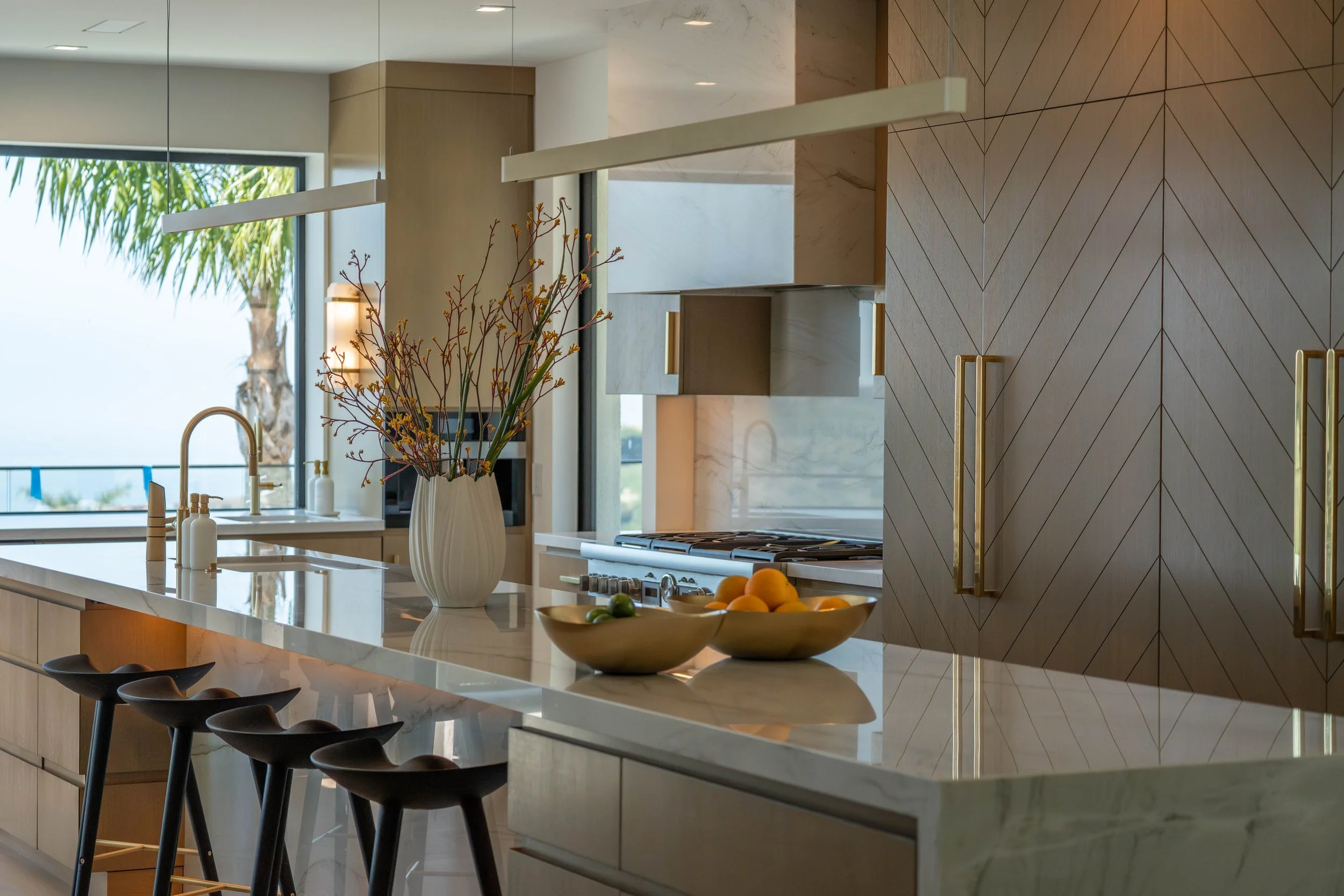
The kitchen is truly the heart of the home—where functionality and style come together, and where some of life’s best memories are made. In this Kitchen Design Elements series, we explore the essential design elements that can turn a kitchen from ordinary to extraordinary: from cabinetry that wows to lighting that sets the mood, every choice shapes your kitchen experience.
Welcome to the first installment of our Kitchen Design Elements series! The kitchen is truly the heart of the home—a vibrant space where functionality and style come together, and where some of life’s best memories are made over shared meals and laughter.
In this series, we’re going to explore the essential design elements that can turn an ordinary kitchen into something truly extraordinary. From cabinetry that wows to lighting that sets the mood, every choice shapes your kitchen experience. We’ll introduce these key components here, and then we’ll dive deeper into each one in future posts, providing you with insights and inspiration to help you create a tailored kitchen design that makes your everyday life a little more delightful. So, let’s get started on this exciting journey together!

1. Appliances: Maximizing Efficiency
Your appliances shape how efficiently you use your kitchen. From sleek, built-in refrigerators to professional-grade ovens, the right appliances elevate both style and functionality. Stay tuned for tips on selecting the perfect ones for your space!
2. Cabinetry: The Backbone of Your Kitchen
Cabinetry defines the look and feel of your kitchen while providing essential storage. Whether you prefer the timeless shaker style or the sleekness of slab cabinets, we’ll guide you on how to choose cabinets that blend aesthetics with function in upcoming posts.
3. Range Hoods: A Statement of Style
Range hoods aren’t just functional—they can be a design statement. From custom wood hoods to minimalist stainless steel, the options are endless. We’ll explore how to find the perfect hood to complement your kitchen design.

4. Countertops: Style Meets Durability
Countertops are where aesthetics and durability meet. Whether you’re drawn to luxurious marble or practical quartz, selecting the right material is key. Check out THIS POST to dive deeper into finding the best countertop for your needs.
5. Backsplashes: The Art CANVAS of the kitchen
Your kitchen backsplash is more than just a protective surface—it’s an opportunity to infuse personality into your kitchen design. From timeless subway tiles to bold patterns or sleek stone slabs, the right backsplash can elevate your kitchen’s look. Whether you prefer classic or daring, it’s all about creating a cohesive design statement. Stay tuned for more backsplash inspiration in our upcoming post!
6. Sinks: The Workhorse of the Kitchen
Sinks play a huge role in how you work in the kitchen. From farmhouse to undermount, the right sink can elevate your kitchen’s design and functionality. We’ll explore the latest sink trends and how to choose the best one for your space.
7. The Pantry: Smart Storage Solutions
A well-designed pantry is the secret to maintaining a clutter-free, efficient kitchen. Whether you have a walk-in space or built-in cabinetry, a pantry offers essential storage for food, cookware, and small appliances. From custom shelving to pull-out baskets, the right pantry design can maximize space and keep your kitchen running smoothly. In an upcoming post, we’ll explore pantry organization ideas that balance function and aesthetics, ensuring your kitchen stays both stylish and practical.

8. Lighting: Layered for Ambiance and Function
Good lighting makes all the difference. Whether it’s pendant lights over your island or under-cabinet task lighting, we’ll break down the importance of layering lighting for both function and mood.
9. Finishes: The Details That Define Your Style
The right finishes—hardware, faucets, and more—tie everything together. Small details can make a big impact, and we’ll show you how to choose finishes that reflect your style.
At the end of the day, your kitchen should be a reflection of your personality and lifestyle. It’s about creating a space where you feel inspired to cook, gather with loved ones, and make memories. As an Orange County interior designer, I believe every detail matters in making the kitchen your own—from the cabinets to the lighting, and everything in between.
Stay tuned as we delve deeper into each of these key kitchen design elements in upcoming posts, offering you insights and inspiration for creating your dream kitchen.
If you’re feeling inspired but need more guidance to design the perfect kitchen for your home, get in touch with us! We can develop a tailored design that brings your vision to life and ensures your kitchen is both beautiful and functional for years to come.

Hi friends! I’m Genevieve, ower of Viève Interiors. With an attentive ear, savvy technical skills, and a knack for style, I love helping clients create beautiful, polished and personalized homes that they love. For more information about how we can help you design your dream home, reach out to set up a complimentary discovery call.