

A Designer’s Guide to Renovating Your Orange County Mid-Century Home
There’s something truly magical about a mid-century home—flat rooflines, long horizontal planes, and floor-to-ceiling glass that lets the sunshine pour in. These architectural gems deserve thoughtful renovation—ideally with the expertise of an experienced Orange County interior designer who respects the nuances of the mid-century interior design style. Whether you're opening up the layout, upgrading finishes, or refining the decor of your mid-century Orange County home, here are a few expert tips to help you bring your space into its next beautiful chapter.
There’s something truly magical about a mid-century home—flat rooflines, long horizontal planes, and floor-to-ceiling glass that lets the sunshine pour in. This iconic design aesthetic is characterized by sleek lines, open spaces, and a blend of indoor and outdoor living. In Orange County, where the climate invites year-round al fresco living, this architecture feels especially well-suited—blurring the line between structure and landscape.
If you’re lucky enough to own one of these architectural gems, you already know: they deserve thoughtful renovation—ideally with the expertise of an experienced Orange County interior designer who respects the nuances of the mid-century interior design style. Done well, a mid-century renovation blends reverence for original details with modern livability, creating something that feels at once timeless and tailored. Whether you're opening up the layout, upgrading finishes, or refining the decor, here are a few expert tips to help you bring your space into its next beautiful chapter.
Embrace the Open Layout—But Define It with Intention
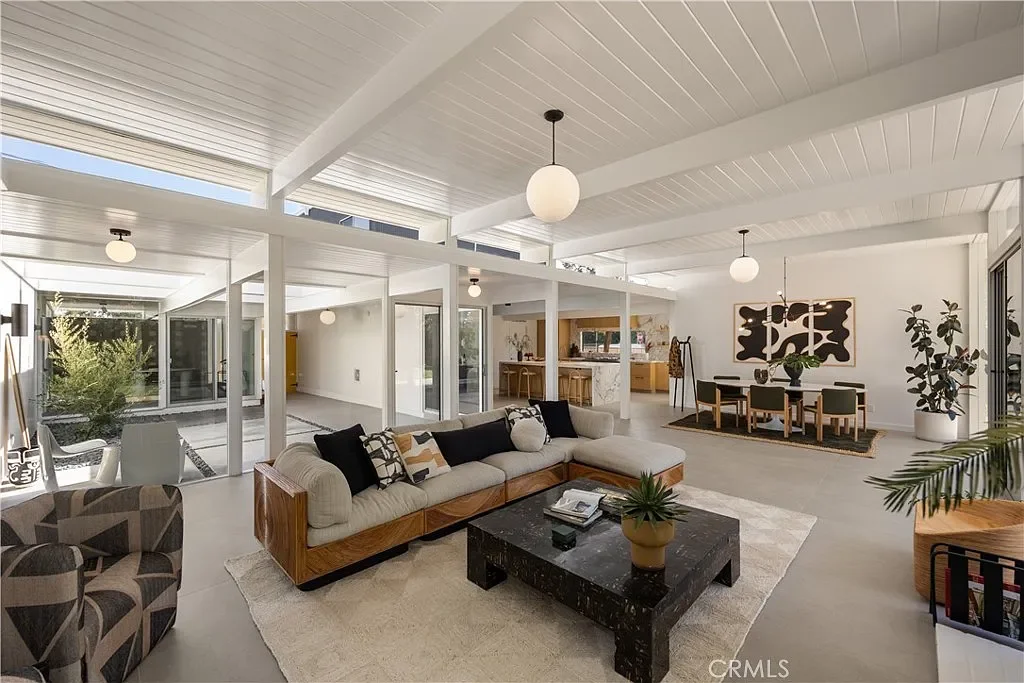
One of the hallmarks of mid-century architecture is the open floor plan—a forward-thinking idea that emphasized flow, light, and connection long before it became a buzzword. But not all homes from the era fully embraced it, and many have since been chopped up by misguided renovations. If your space feels disjointed, consider thoughtfully removing non-load-bearing walls to restore that sense of movement and openness.
That said, open doesn’t mean empty. A well-designed layout uses both architecture and furnishings to subtly define zones. Wide transitions—especially those framed by cabinetry, shelving that wraps around a corner, or low partitions—allow your eye to travel freely from space to space while still giving each area its own identity.
Design Insight:
Our minds are surprisingly generous. Even when something like a table lamp or shelving unit partially “blocks” the view, your brain fills in the rest—especially across wide openings. Instead of fixating on keeping everything in your line of sight, focus on functionality and layering to create cozy vignettes. A strategically placed rug or reading chair won't break the flow; it'll enhance it.
Source: Zillow
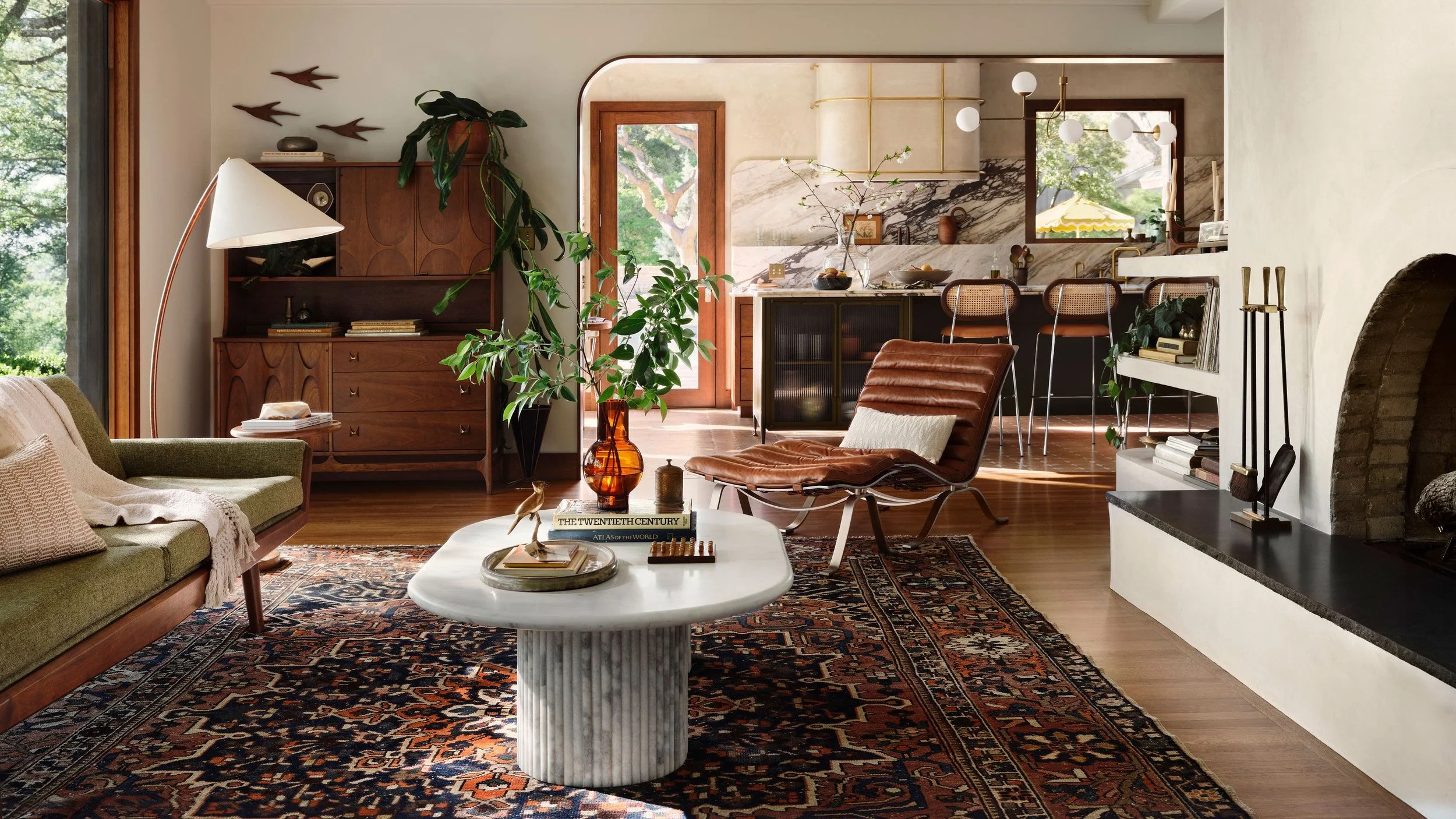
Design by Joanna Gains
Use Planes and Transitions to Shape Space
Mid-century design is all about honoring horizontal and vertical lines. Use the planes of your ceiling and floor to delineate spaces in subtle, architectural ways. Consider stepping down into a sunken living area, varying ceiling heights, or changing flooring material to shift the mood from one zone to the next. These layered transitions allow the home to feel open and intentionally arranged.
Design Insight:
Use area rugs, lighting, and anchored furniture groupings to create cozy, functional zones. A low-slung sofa on a thick woven rug can instantly define a conversation area, while pendant lights or directional sconces help emphasize purpose without interrupting the openness.
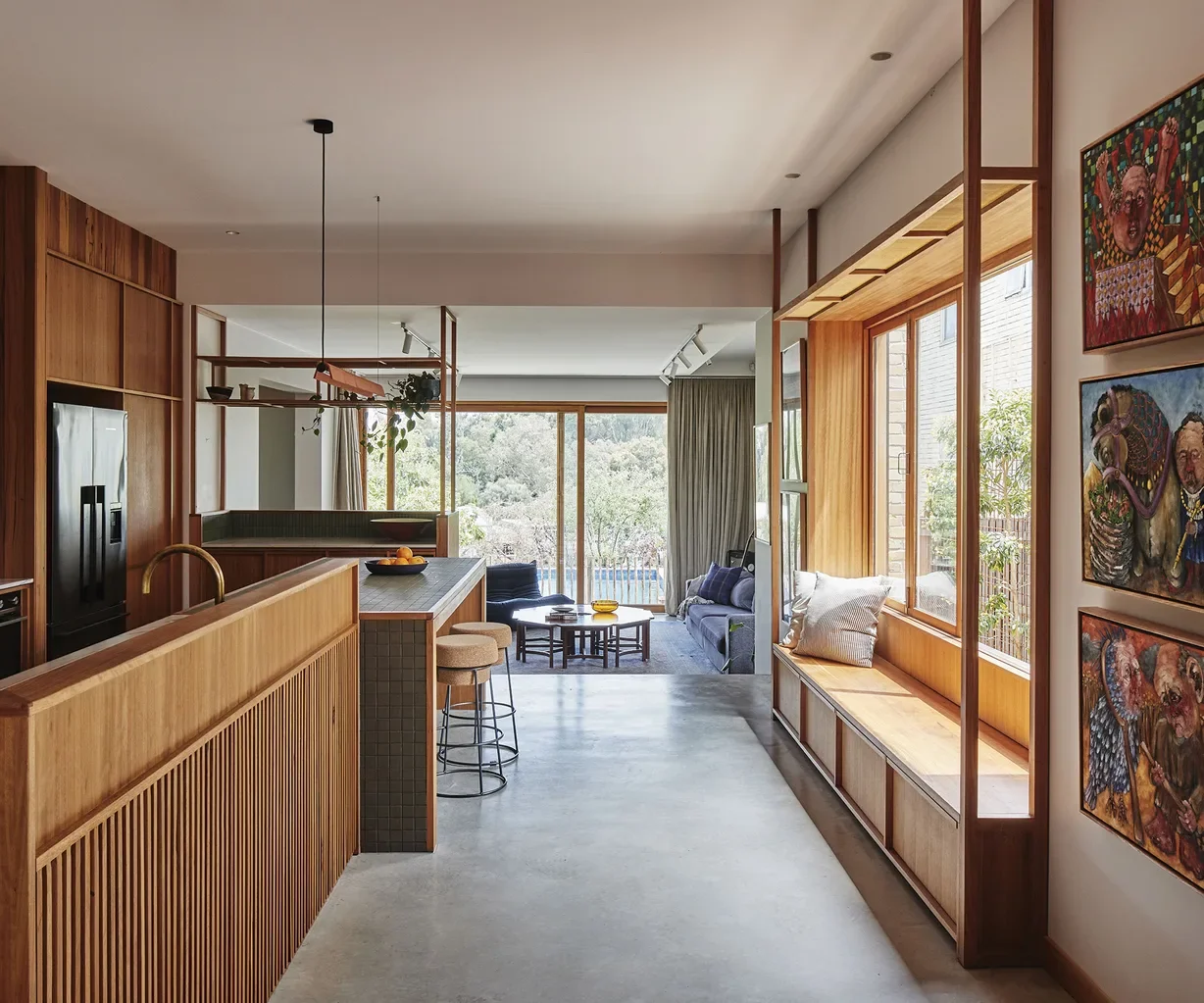
Designed by MRTN Architects Source
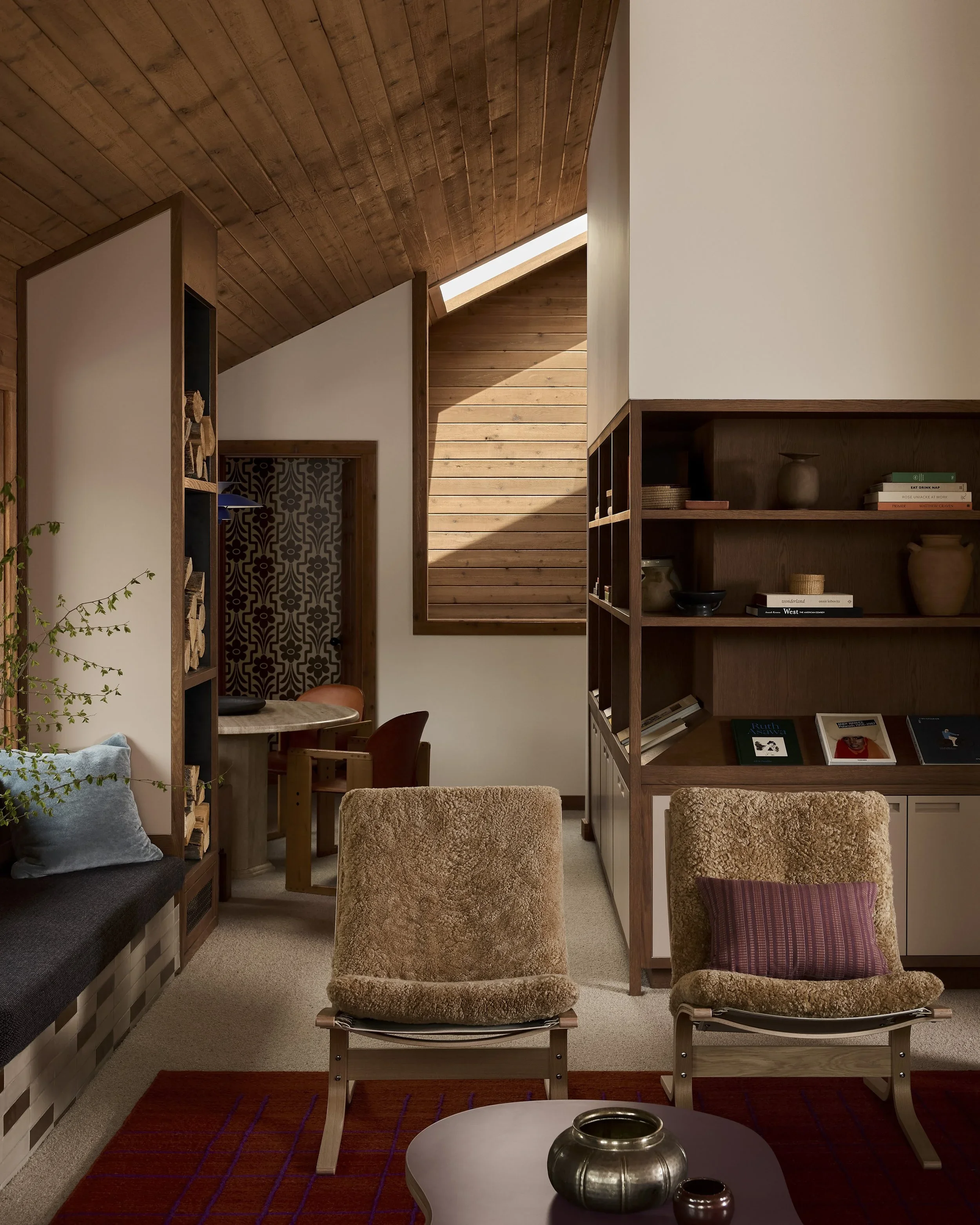
Design by Yond Interiors
Respect the Aesthetic—But Make it Your Own
The mid-century interior design style celebrates simplicity, honesty of materials, and organic forms—principles that still resonate deeply in well-designed homes today. But that doesn’t mean your home has to look like a time capsule. Channel the spirit of the era with clean-lined furniture, warm woods, and low profiles—but make it yours.
Pro Tip:
Modern luxury is all about restraint. Invest in timeless pieces: a sleek walnut console, a sculptural chair with worn-in leather, or a minimalist pendant light that nods to the 1960s without screaming retro. Layer in era-inspired colors—like olive, ochre, or rust—through art, upholstery, or even tile. Just keep the palette curated, not chaotic.
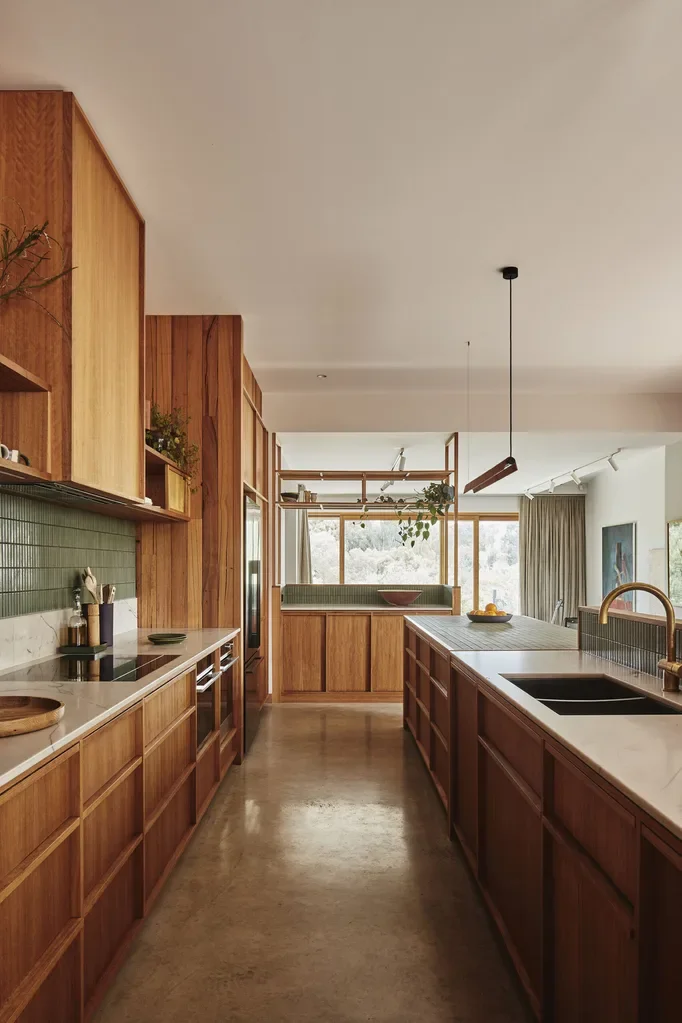
Designed by MRTN Architects Source
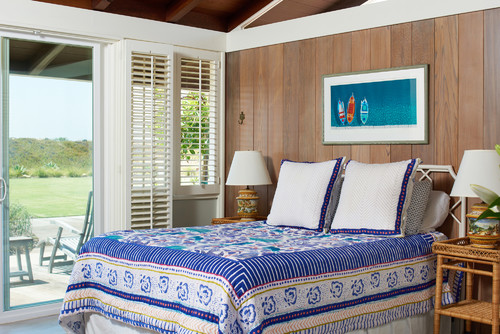
Let Natural Light Lead the Way
Glass walls and clerestory windows are some of the most beloved features in mid-century homes. If your home has them, preserve them. If it doesn’t, now is the time to consider strategic additions. Oversized sliding doors, skylights, and floor-to-ceiling glazing can drastically improve the way your home feels from morning to night. You can also use mirrors or glossy surfaces to reflect light deeper into the home. A mirrored wall behind a floating console or a metallic backsplash in the kitchen can subtly bounce light and expand space.
Pro Tip:
Don’t let window treatments be an afterthought—they should complement the architecture, not compete with it. For sun protection that doesn’t block a killer view, opt for minimal roller shades that filter light without distraction. Where privacy or blackout is needed, floor-to-ceiling drapery on a recessed ceiling track adds softness and function without interrupting the clean lines of floor to ceiling glass.
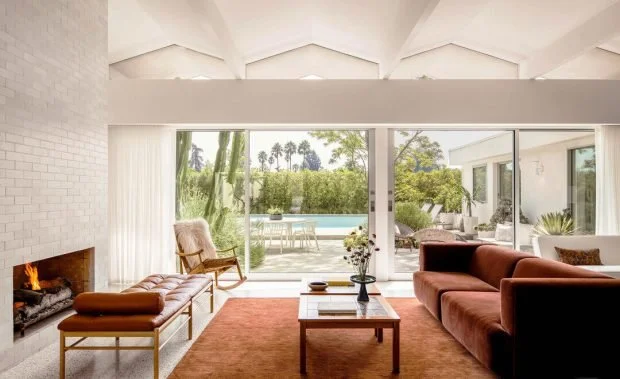
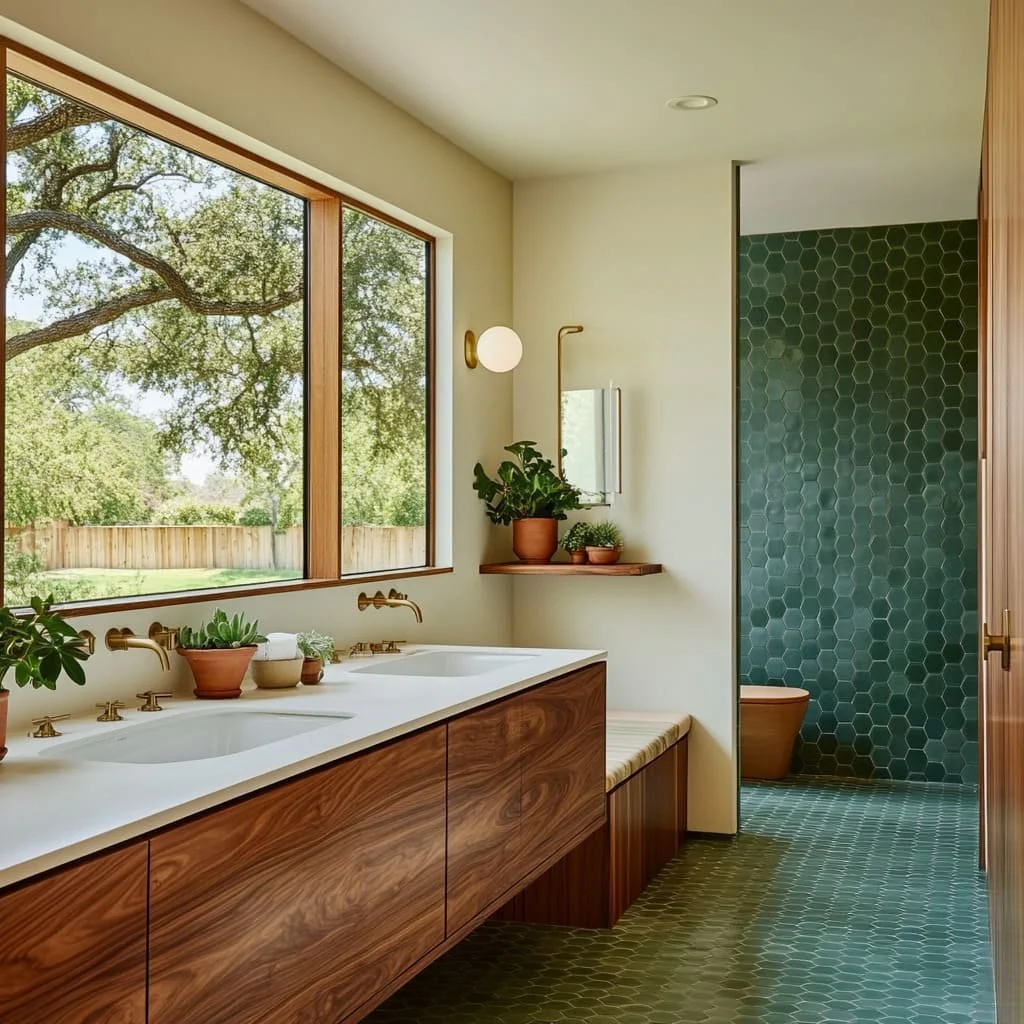

Design by Studio Mellone
Create Seamless Indoor-Outdoor Connections
One of the joys of mid-century design is the blur between inside and out. Renovating with this in mind means more than just opening up the back of the house—it’s about material continuity. Think terrazzo that flows from the living room onto the patio, brick that wraps from the fireplace out to the exterior wall, or slatted wood ceilings that stretch across the soffit outside.
Design Insight:
Low-slung rooflines and extended overhangs are part of the DNA. If you're renovating, consider enhancing or restoring these features—they provide sun protection and style in equal measure. And treat your outdoor space as a true extension of the home—furnish it thoughtfully with pieces that mirror your interior materials, and build in elements like outdoor storage, integrated planters, or a modern fire pit.

Design by Studio Mellone

Photo by AG Milworks
Invest in Materials That Stand the Test of Time
Mid-century homes were built with longevity in mind—and your renovation should follow suit. Avoid overly trendy finishes and instead focus on material integrity. Natural wood, stone, handcrafted tile, and metal finishes that patina over time will feel more authentic and luxurious than anything flashy or synthetic.
Pro Tip:
Don’t rip out the good stuff! If you’ve inherited original built-ins, paneling, or wood floors, refinish and reinterpret them. They’re what make your home special.
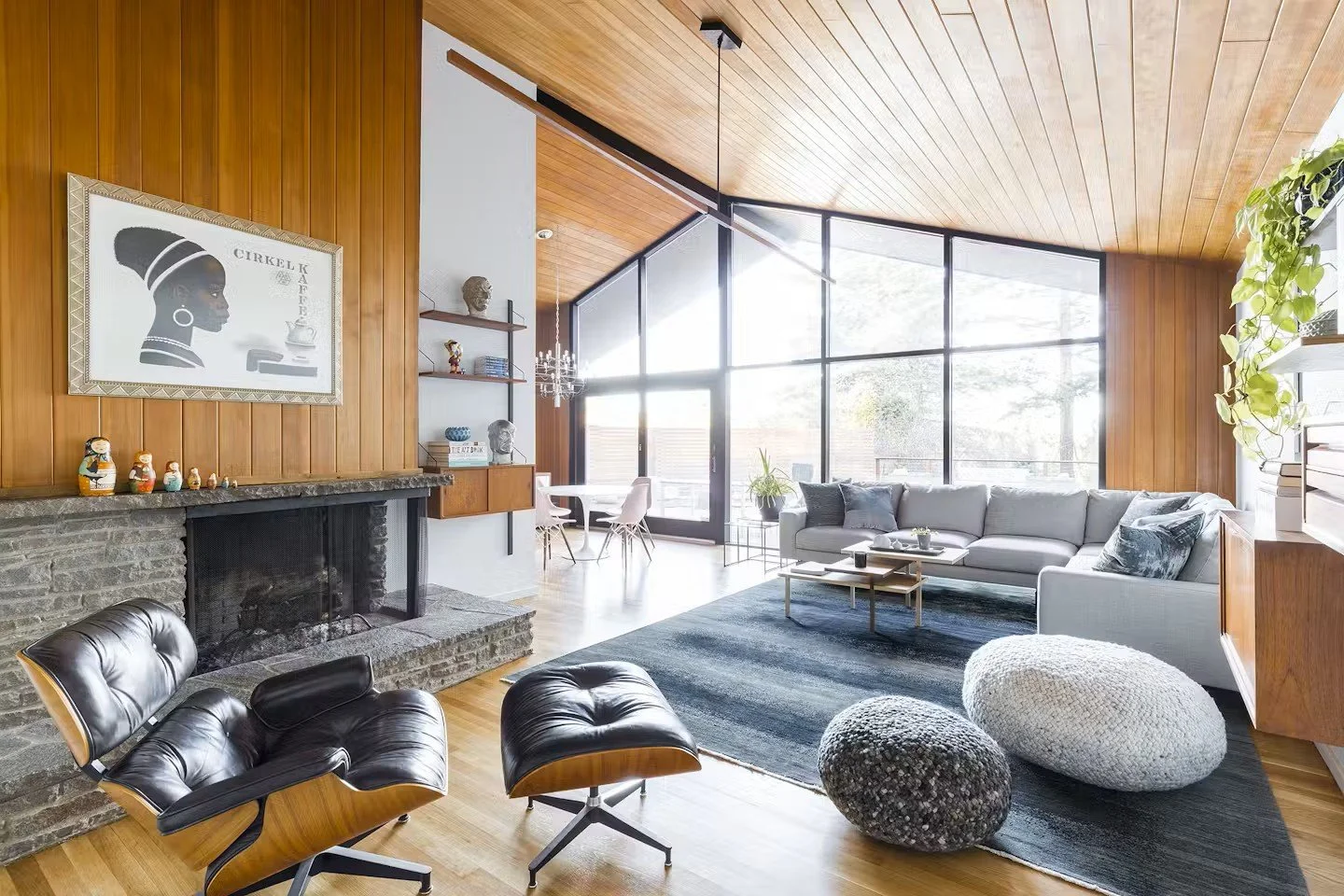
Designed by Penny Black Interiors
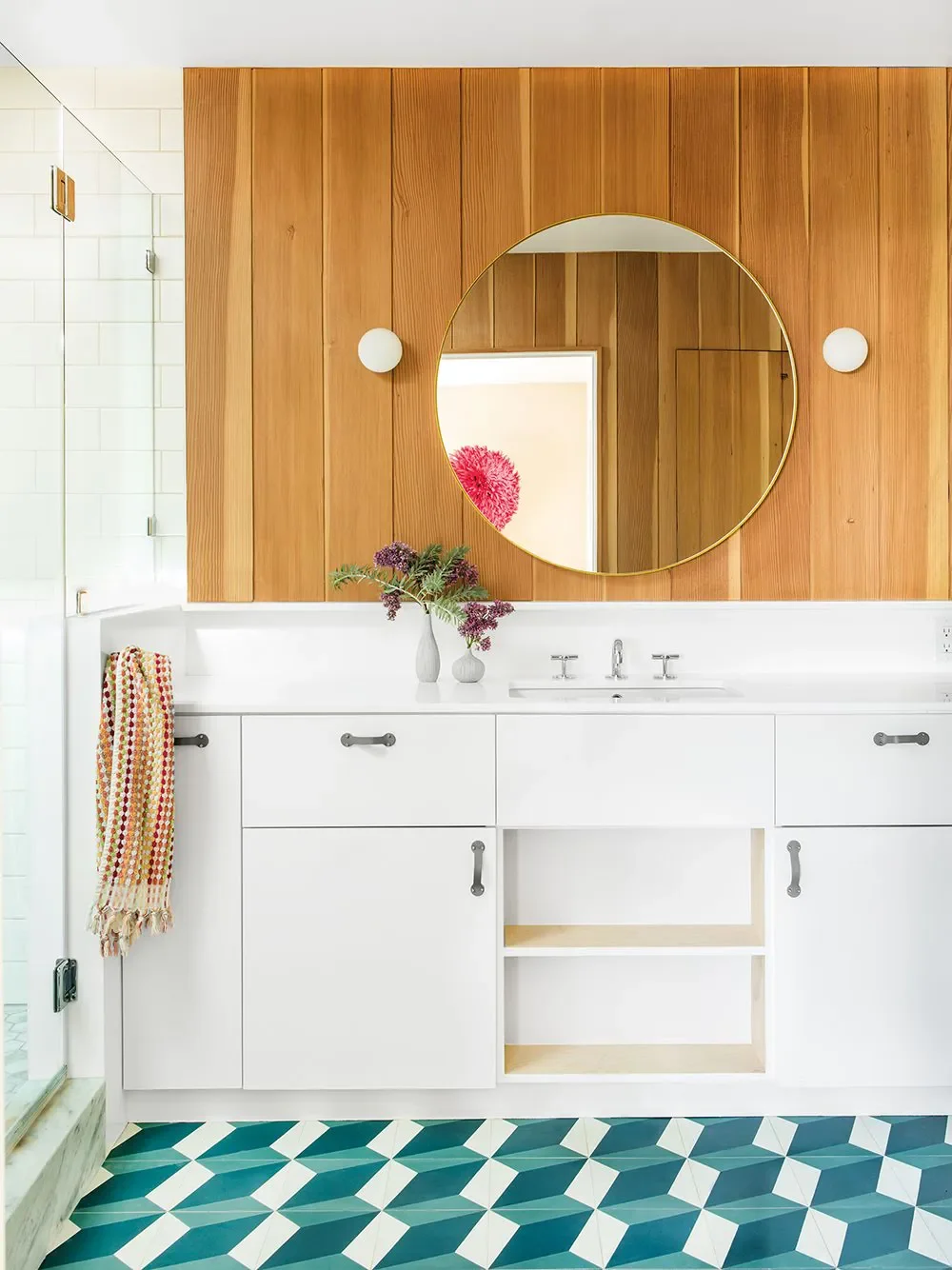
Designed by Barbara Bestor
Layer In Personality—With Thoughtful Restraint
A mid-century home doesn't need a lot of embellishment. But that doesn't mean it should feel generic. Art, textiles, and collected objects should be curated and intentional—each piece telling a bit of your story. The best spaces feel designed, not decorated.
Pro Tip:
Try pairing something vintage (like an Eames lounge or a George Nelson lamp) with something unexpected and current. This juxtaposition gives your home a sense of timelessness that never feels stuck in the past.
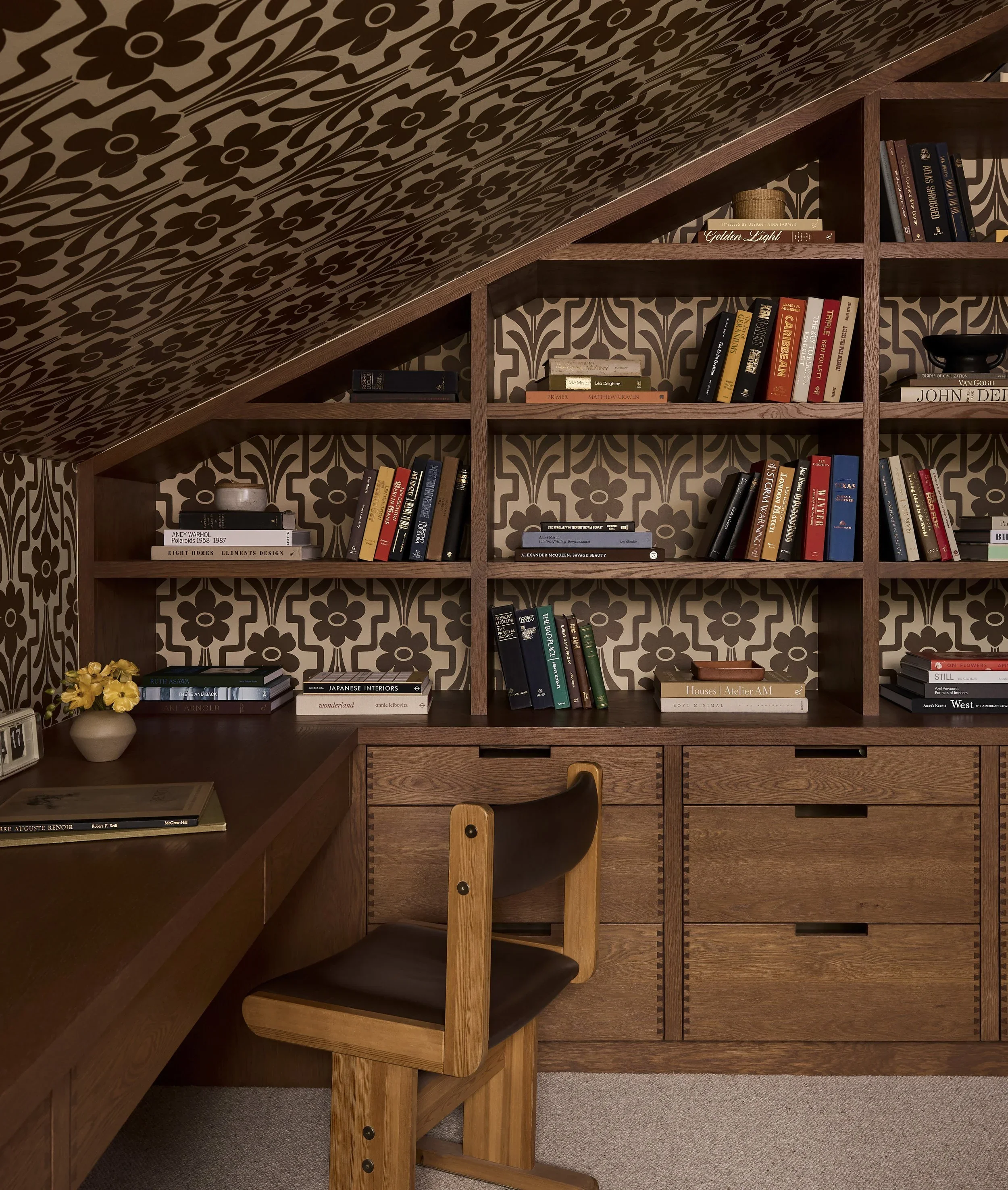
Design by Yond Interiors
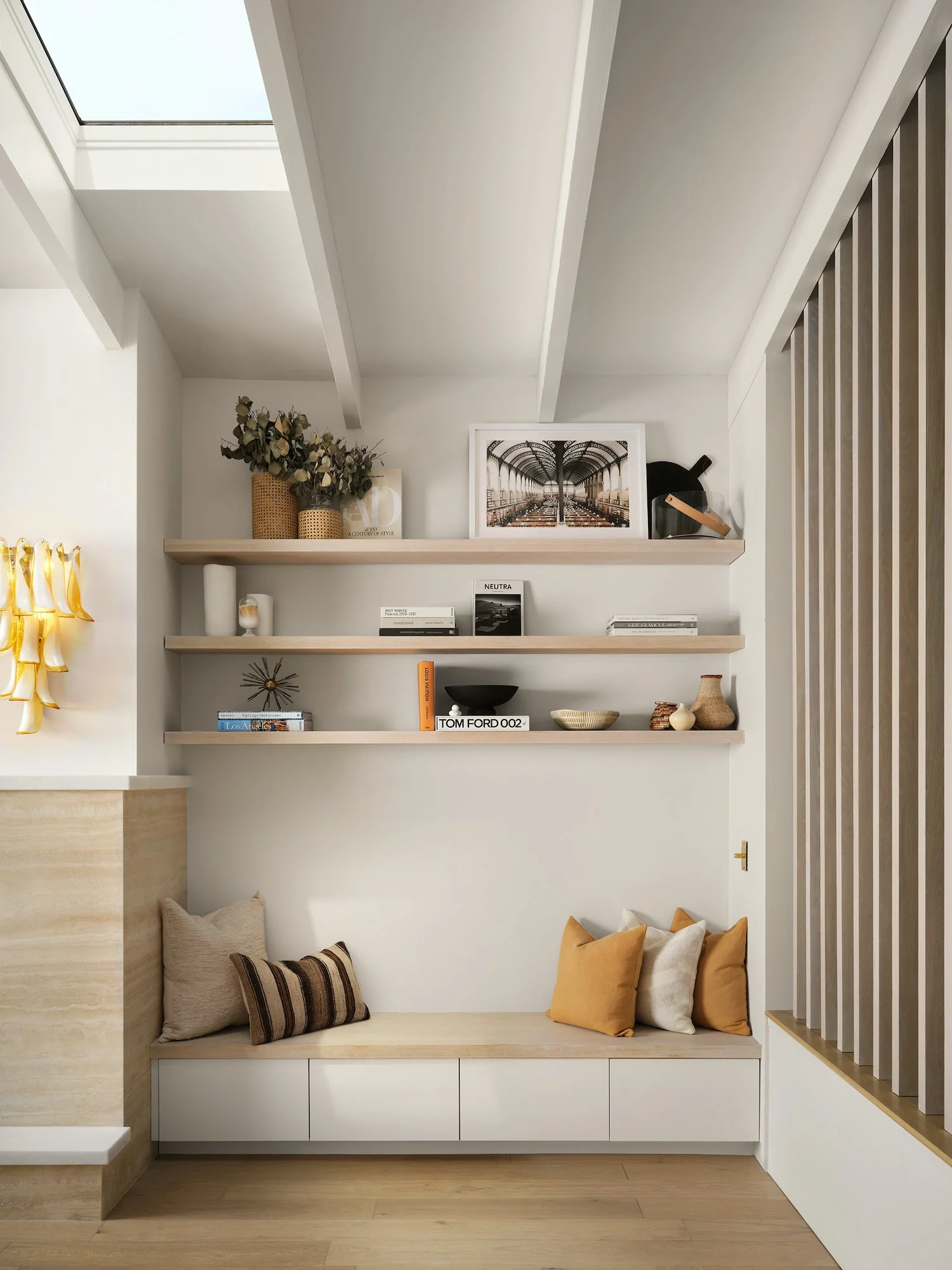
Designed by Christina Kim
Conclusion
Renovating a mid-century home is equal parts preservation and possibility. In Orange County, where indoor-outdoor living is a way of life, these homes are perfectly suited for a thoughtful refresh. Embrace the unique architectural features, keep the materials honest, and infuse your personal style. With the right balance of reverence and reinvention, your home can celebrate the best of the mid-century era while giving you the comfort and tailored functionality of modern life.
Looking for thoughtful, expert design for your Orange County mid-century home? As an Orange County interior designer with a deep appreciation for the mid-century interior design style, we’d be honored to help—reach out to get started.
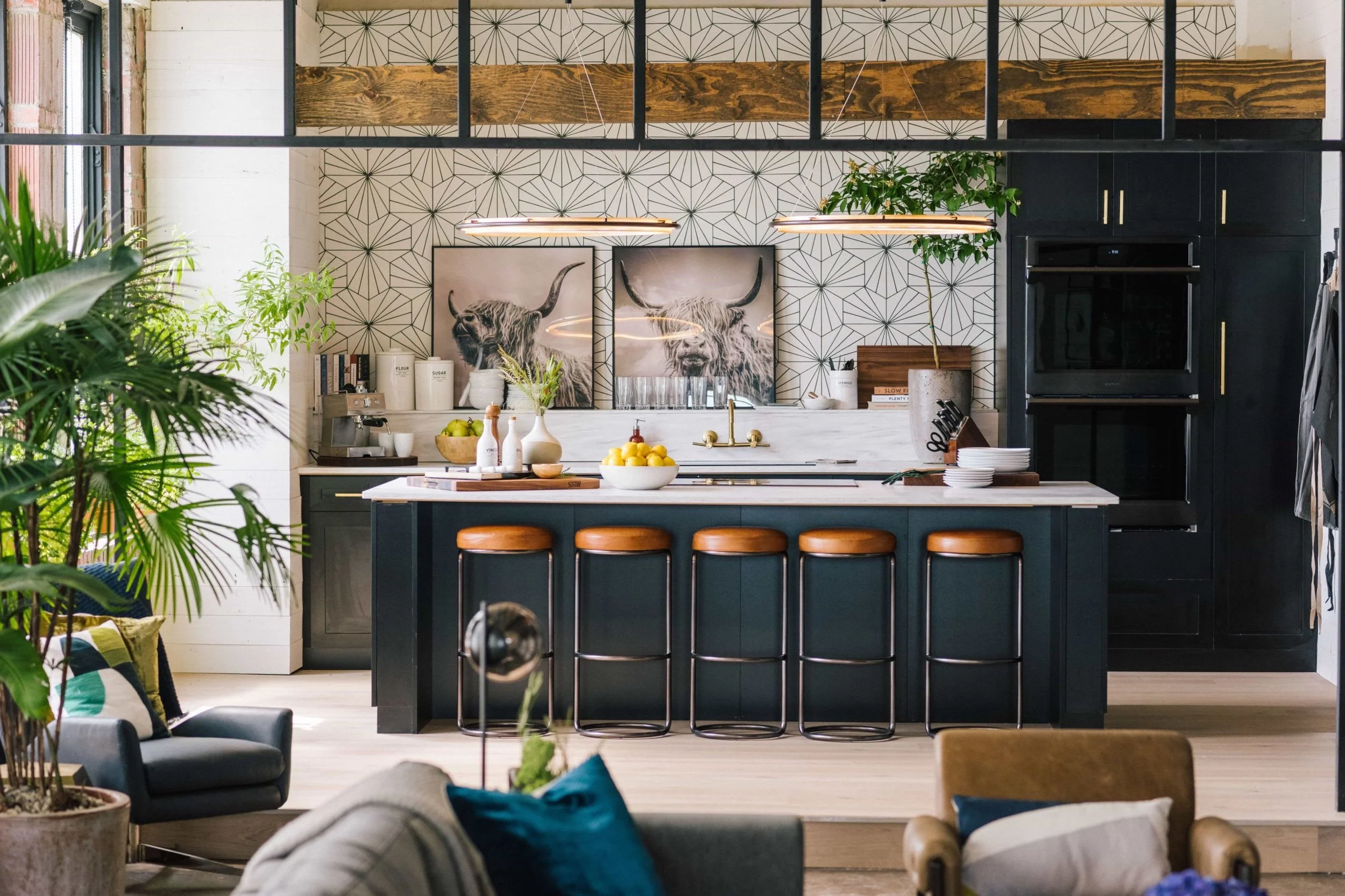
How to Decorate Your Home in Urban Interior Design Style
As the vibrant heart of Southern California living, Orange County offers a unique canvas for homeowners looking to infuse their living spaces with the dynamic energy of urban interior design style. By blending sleek modernity with industrial accents, the urban style can transform your Orange County home into a captivating haven. In this guide, we'll walk you through the essential elements and practical steps to achieve a stunning urban-inspired décor that harmonizes with the county's lively atmosphere.
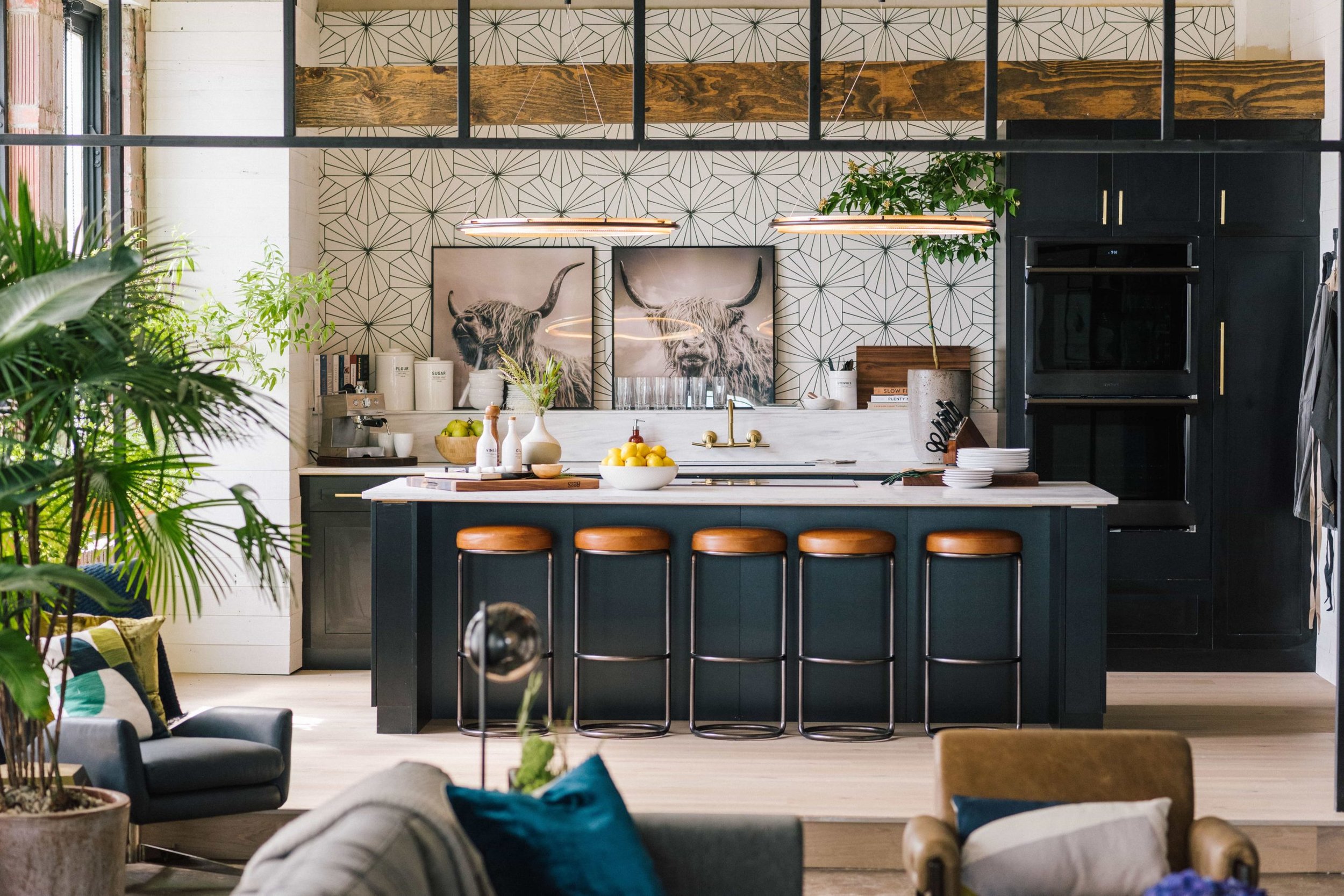
1. Embrace the Essence of Openness:
Urban interior design thrives on open spaces that encourage seamless flow. In your Orange County home, consider removing non-structural walls to create an airy layout. Embrace the abundance of natural light by installing large windows or glass doors, blurring the boundaries between indoors and the picturesque outdoor landscape.
2. Neutral Foundations, Bold Expressions:
Begin with a neutral color palette as your canvas to ground and tie everything together. Whites, grays, and blacks form the backdrop against which vibrant accents will shine. Don't hesitate to introduce bold pops of color through art, textiles, and accessories, reflecting the vibrancy of Orange County's culture.
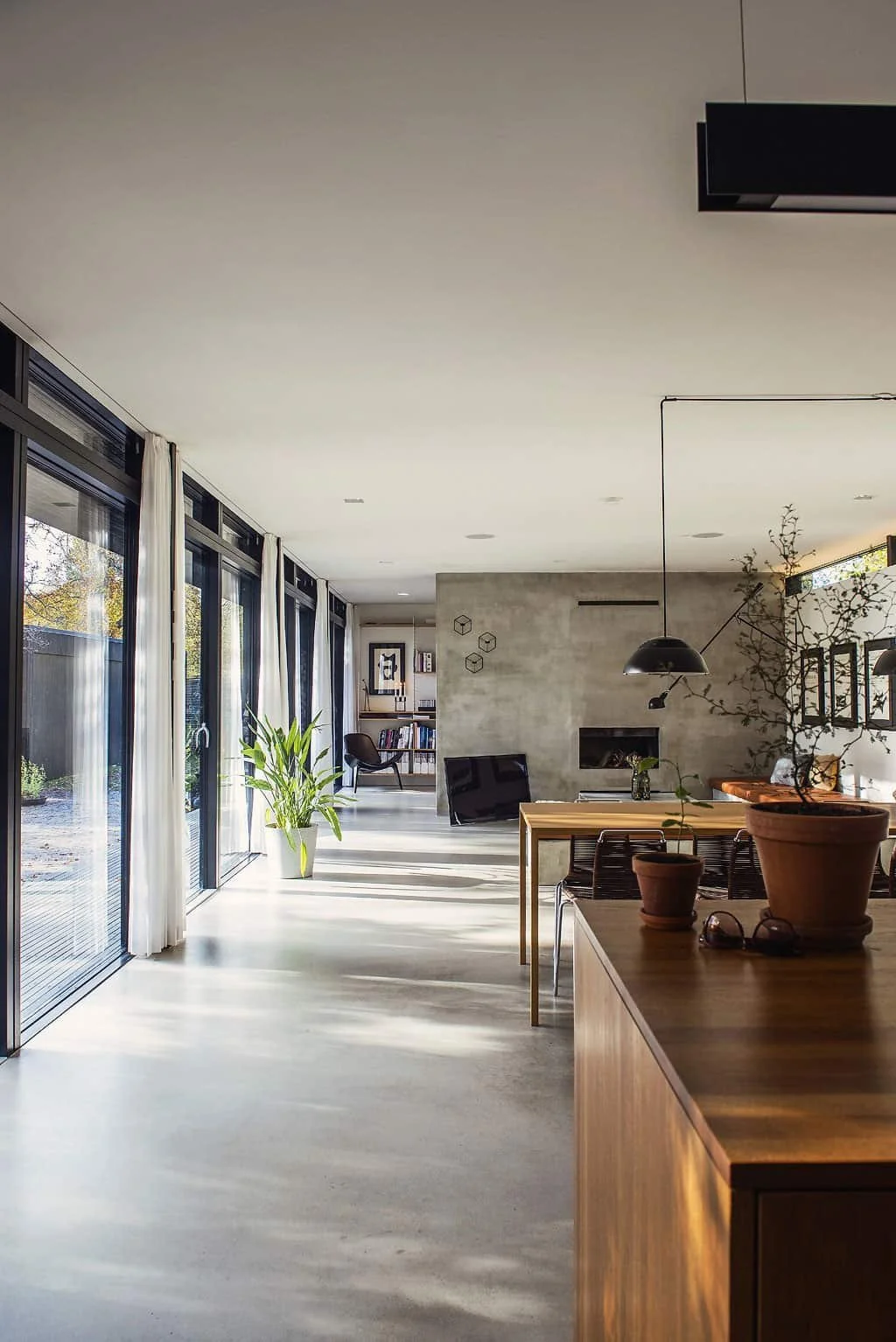
3. Industrial Elements with Elegance:
Industrial design elements pay homage to the urban environment. Wood and stone flooring create the perfect foundation for an urban-inspired interior design style. Exposed brick walls, metal piping, and concrete floors can lend an authentic urban edge. Balance these raw materials with refined textiles, plush rugs, and comfortable seating for a polished juxtaposition of styles.

4. Furnish with Minimalist Flair:
Opt for furniture that boasts clean lines and simplicity. Choose pieces with multifunctional purposes to optimize space in your Orange County home. Minimalist doesn't mean sacrificing comfort; look for sofas, chairs, and beds that offer both style and coziness.
5. Urban Art and Eclectic Decor:
A simple way to create an urban interior design in your home is to incorporate urban art. Graffiti-inspired murals or modern abstract pieces are the perfect elements to enliven your walls. Create an eclectic vibe by blending antique finds, vintage signage, and urban-themed sculptures. Each piece tells a story and adds depth to your home's character.

Artwork by Sarah Finucane
6. Ingenious Storage Solutions:
An organized space is at the core of urban living. Integrate open shelving units and creative storage solutions that display your belongings while maintaining a clutter-free atmosphere. Functional design is key to achieving the urban aesthetic.
7. Illuminate with Distinction:
Thoughtfully chosen lighting fixtures “can change the look and feel of a room with a flick of a switch” and define your urban-inspired space. Opt for statement pendants, Edison bulbs, and sleek track lighting. These choices not only illuminate but also contribute to the ambiance that urban design is renowned for.

8. Nature's Tranquil Presence:
Bring the outdoors inside with a touch of greenery. Potted plants, hanging gardens, and succulent arrangements soften the industrial feel of urban design while connecting your home to Orange County's natural surroundings.
9. Seamless Integration of Technology:
Modern urban living incorporates smart technology seamlessly. Invest in automated blinds, smart thermostats, and integrated sound systems to elevate your home's functionality without compromising the design's aesthetic.
Transforming your Orange County residence with urban interior design style is an artistic endeavor that marries the cosmopolitan charm of urban living with the laid-back allure of Southern California. By embracing open spaces, blending industrial elements with elegance, and curating a collection of urban-inspired decor, you can craft a living space that resonates with the essence of Orange County's vitality. Let your home stand as a testament to your creative vision and love for the urban aesthetic, all while enjoying the comfort and style that this design approach affords.
For more interior design inspiration and tips to decorate your Orange County home, be sure to sign up for our newsletter, here.

How Do You Know When You're Ready to Hire an Interior Designer?
Is your home remodel causing overwhelm? Are you short on time? It may be time to hire an interior designer. How do you know for sure? Here are a few big signs to let you know you’re ready to hire an interior designer!

When it comes to your upcoming home remodel, are you short on time? Do you feel lost or overwhelmed turning your personal style into a beautifully designed room? It may be time to tap out—and hire an interior designer! Working with an interior designer helps save you time and money, all while removing the stress, and putting the fun back into redecorating and remodeling your home.
Whether you’re looking to Transform Your Average Kitchen into Luxury with 12 Stunning Remodel Must-Haves or you are ready to incorporate some of the Hottest New Interior Design Trends for Homes in Newport Beach in 2023, an interior designer will simplify the process and provide you with a home that’s both functional and beautiful. But, how do you know that you’re ready to hire an interior designer? [Hint hint: most of our client’s would have benefited from hiring us earlier.] Here are a few sure signs that it is time.
1. You’re moving into a new home.
Even if you opted for a brand new or recently renovated house, in order to really get your new home “turnkey” ready for you to move in and start living your best life, you are bound to require some different furniture, area rugs, and decor than you had in your old home. Chances are you have increased or decreased square footage, have additional rooms or rooms that take a different shape, are working with a new layout, or may have moved to a different state with a more predominant design style than your old home’s location—all of which require you to determine what furniture should stay, and what new items you will need to purchase. Or perhaps you would like to add a more modern interior design style, smart technology, or organizational upgrades to your home. An interior designer can help you accomplish all of your goals (without the headache).
On the flipside, maybe you bought a fixer-upper and some major renovations are in order. Choosing an interior designer who has relationships with contractors throughout the area is a must. Whenever you buy a new home, hiring an interior designer to help you assess the situation should be first on your to-do list!
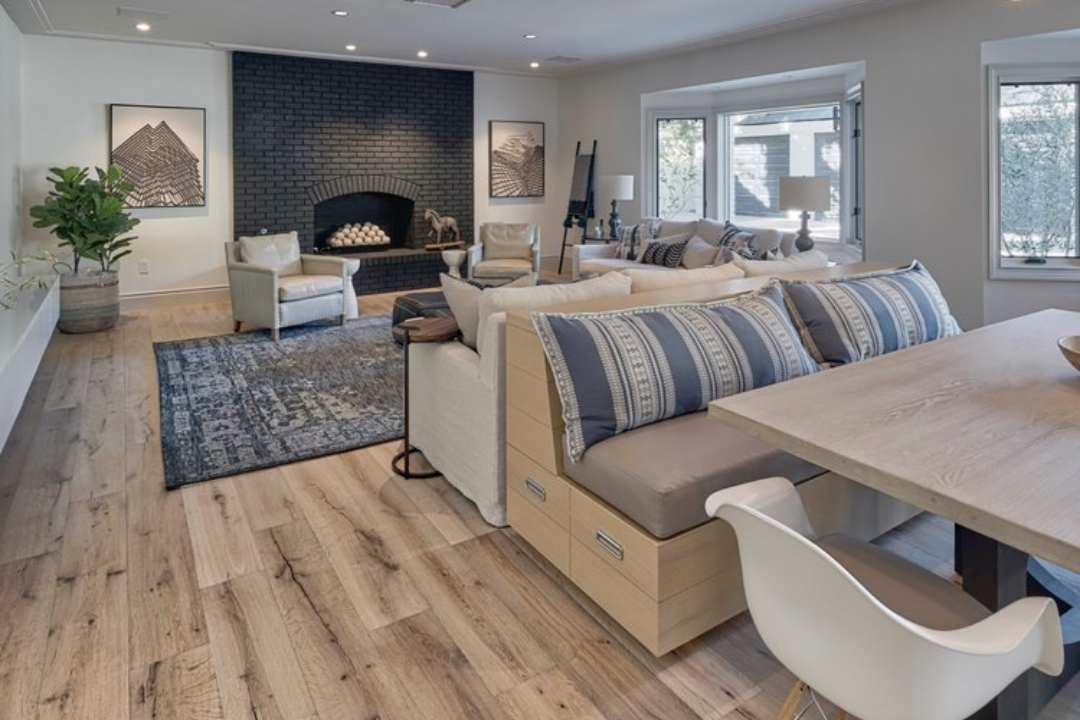
Designed by Genevieve Chambliss while working at Dwellings Design Group
2. You are planning mid-sized to major renovations.
Interior designers are responsible for coordinating and managing your home renovation projects from start to finish. Therefore, if you are planning mid-sized or major renovations, you should definitely be ready to hire an interior designer. In fact, that should be your first step. When it comes to remodels, many homeowners underestimate the time and energy needed for their project and quickly become overwhelmed when they try to do it on their own. Your general contractor will want plan and elevation drawings, and expect you to have all the details figured out from plumbing fixtures and tile to selecting door knobs and baseboards. Interior designers will tackle everything from conceptual design and space planning to the installation and styling—and all the details in between.
When it comes to getting started, you’ll need an expert with great spacial skills to rework and re-envision your space to meet your needs and ultimately enhance how you live. Your interior designer will:
Define the design direction and palette
Improve flow patterns
Add desired features
Furniture space plan
Incorporate existing furniture
During the next phase of your renovation, your interior designer will develop the design by addressing all the little details to create a cohesive look that evokes your personal style.
Develop a detailed set of plans and elevations to communicate the design to your contractor and tradesmen
Select cabinet style, custom inserts and design bespoke millwork details
Specify flooring finishes, countertops, tile, and paint colors
Specify the plumbing fixtures, light fixtures, etc.
Provide 3D renderings to help you envision your future dream home
Your interior designer will also lead you through furniture and accessory selections. They will purchase and procure all your items, communicate with vendors to track and expedite shipments, coordinate deliveries, and then install all furniture and style your home with artwork and home decor for a finished cohesive look.
If you are in need of major renovations, check out these resources:
3. You feel lost or overwhelmed at the thought of “redecorating.”
One major indicator that you are ready to hire an interior designer is that you are overwhelmed. It is OK to ask for help and to opt out of DIY options when it comes to redecorating your home. Not everyone has a knack for marrying personal style with what’s on trend and what is functional. Quality interior designers have gone to design school, have a natural instinct for attention to detail coupled with an unparalleled technical edge, and have plenty of experience designing luxury spaces that are cohesive, polished, and tailored to each client. There is no need to rely on yourself if you don’t want to!

Designed by Genevieve Chambliss while working at Dwellings Design Group
4. You have some idea of the design style you like—or don’t like.
Before you are officially ready to hire an interior designer, it is a good idea to know what items or styles you are drawn to and/or what styles you definitely want to avoid. Try making a list of furniture or art pieces in your home that you can’t part with and/or start a Pinterest board where you can save images of entire rooms, specific design styles, furniture, art, colors, finishes, etc. that you can show your interior designer.
5. You have a general idea of your timeline and know your budget.
We will get into this in greater detail a few points down, but you might not be ready to hire an interior designer if you have zero sense of what you’d like to accomplish in your home or how much you are willing to spend. These are two questions that you need to ask yourself before you are ready to start your project. You can always meet with an interior designer (or a few) to gain a better understanding of what home renovations cost these days, and a realistic idea of how long remodels take. Once you have some idea of what you want and what you are ready to invest in your home, an interior designer can help you determine if your project and budget are realistic or if you may need to phase it out to accomplish your goals. That way you can plan for the future and determine if you truly are ready to hire an interior designer.
6. You are open to suggestions.
Being open to suggestions is a big (and often overlooked) aspect of being ready to hire an interior designer. When you are working with someone to transform your home into your luxury dream home, you will need to be open to new ideas and, unfortunately, sometimes hearing that one of your ideas won’t work or be ideal for your space. If you can be open to feedback and suggestions, a good interior designer will help you find better solutions than you could have dreamed up so that you’re overjoyed with the outcome of your newly designed home.

Designed by Genevieve Chambliss while working at Dwellings Design Group
7. You have a pretty good understanding of the interior design process.
It is your interior designer’s job to make sure that you have a solid understanding of the interior design process you are about to embark on, and that all your questions have been answered. We touched on this process a bit when we discussed mid-sized to major home renovations, but for a more comprehensive overview of the interior design process, you can view this page.
8. You’ve found an interior designer who fits your style, timeline and budget.
Hopefully by now you have ended your search for the top interior designers from Newport Beach, CA (shameless plug: we made this list) and you have found someone who matches your style, and can work within your timeline and budget. To find someone who matches your style, you can review the interior designer’s portfolio. However, keep in mind that an interior designer’s job is to decipher your personal style and bring it to life. That means you don’t necessarily need to love the same design style or decor, but rather that your interior designer will listen to your ideas, pain points, functional needs, and goals, and has the eye for aesthetics, technical background, and plenty of experience to get the job done correctly.
Regarding timeline and budget? At this point, you should have gained a realistic idea of how long your project will take and how much it will cost. This will depend on the scope of your project. If you’re planning a major renovation, your home remodel could take up to a year! Make sure your interior designer is honest with you—delivery times are still slower and prices are still up. Don’t choose an interior designer who will compromise their integrity to get you to choose them, or someone who will compromise quality. Alternatively, a good interior designer will show you where you can save money and where you should put the majority of your budget to achieve your goals and get the best return on your investment.
Check out 5 Things to Look for When Hiring an Interior Designer in Orange County for more information.
9. You and your interior designer have decided what interior design services are best for your needs.
There are many different ways to work with interior designers based on your specific needs. Here are a few of the ways you can work with us:
Full-Service Design: top-to-bottom service for your luxury remodel or new construction. This service includes a full custom design tailored to your style and the way you live. With this done-for-you service we also execute all purchasing and procurement, project management, as well as final styling so your new, beautiful home is turnkey ready for you to kick up your feet, relax, and enjoy.
Virtual or Design-Only Services: perfect if you have time to devote to your remodel or furnishing project but lack the expertise. In this case, we will select finishes, fixtures, furniture, and more and provide detailed drawings. Then you take it from there to execute the design. With this service, you are responsible for all purchasing and procurement as well as project management. This service can be done locally with an initial on-site consultation or virtually with customer-provided dimensions.
Designer-On-Call Service: if you're unsure how much or how little help you need, or just have some small design details you'd like help with, then a Designer-on-Call package might be right for you. Get our expert design advice, paint color selection, art selection, or a professional floor plan or elevation drawing for your contractor at our hourly rates.

Designed by Genevieve Chambliss while working at Dwellings Design Group
Ready to schedule your discovery call? Contact us today!
For more information on hiring the right interior designer for your project, check out these additional resources:
How to Decorate Your Orange County Home in Organic Modern Interior Design Style
In the tranquil beach-side communities of Orange County, a new design style termed “organic modern interior design style” is filling up the homes of more and more of style-lovers. Perfect for our coastal environment, organic modern interior design this style balances the simplicity of modern design with organic, or “of the earth” elements and a nature-inspired palette to create a warm casual look. In other words, this aesthetic combines natural materials and colors with modern elements for an elegant but comfortable look. If you’re looking to try out the organic modern interior design style, here are our top tips to get you started.
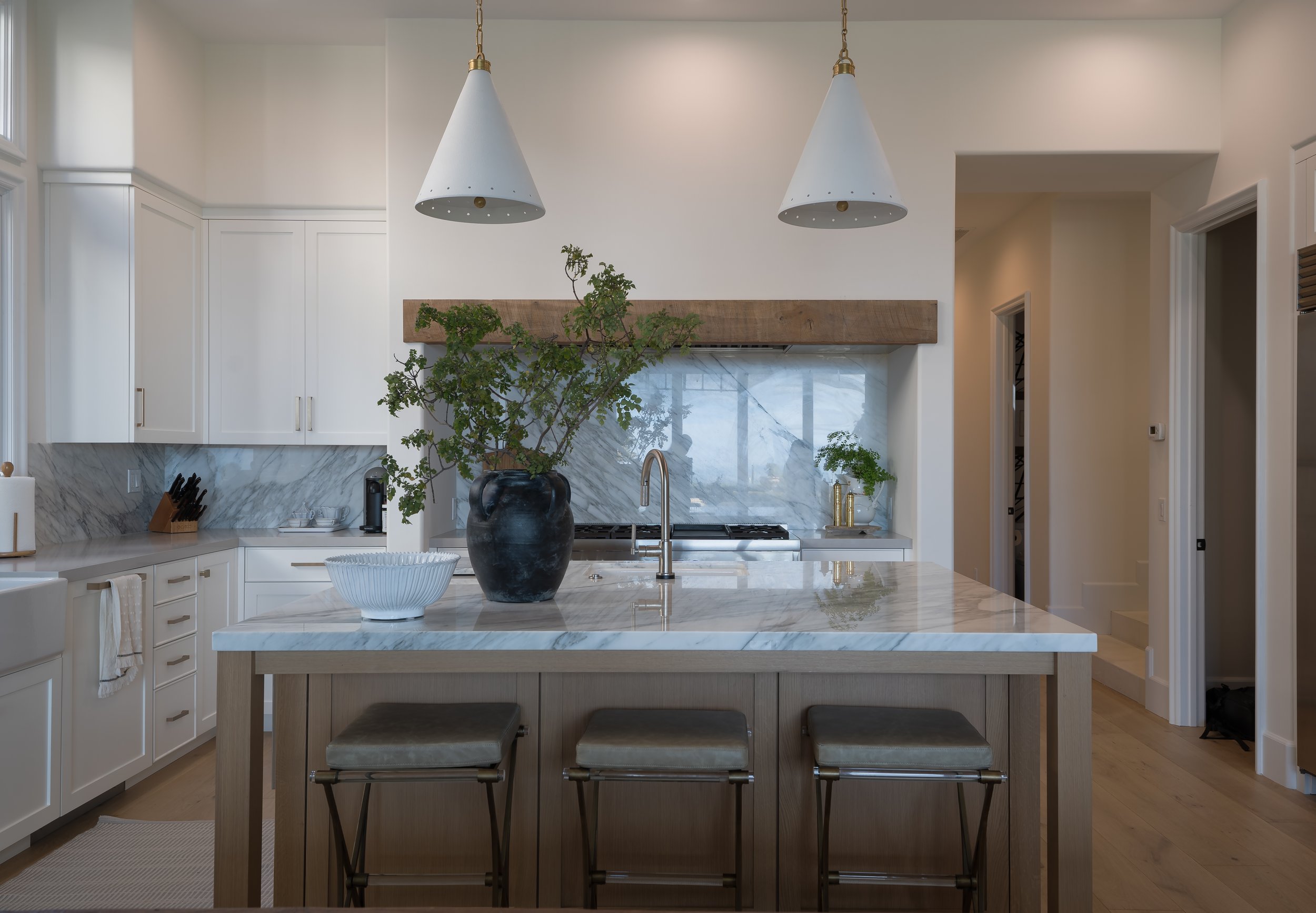
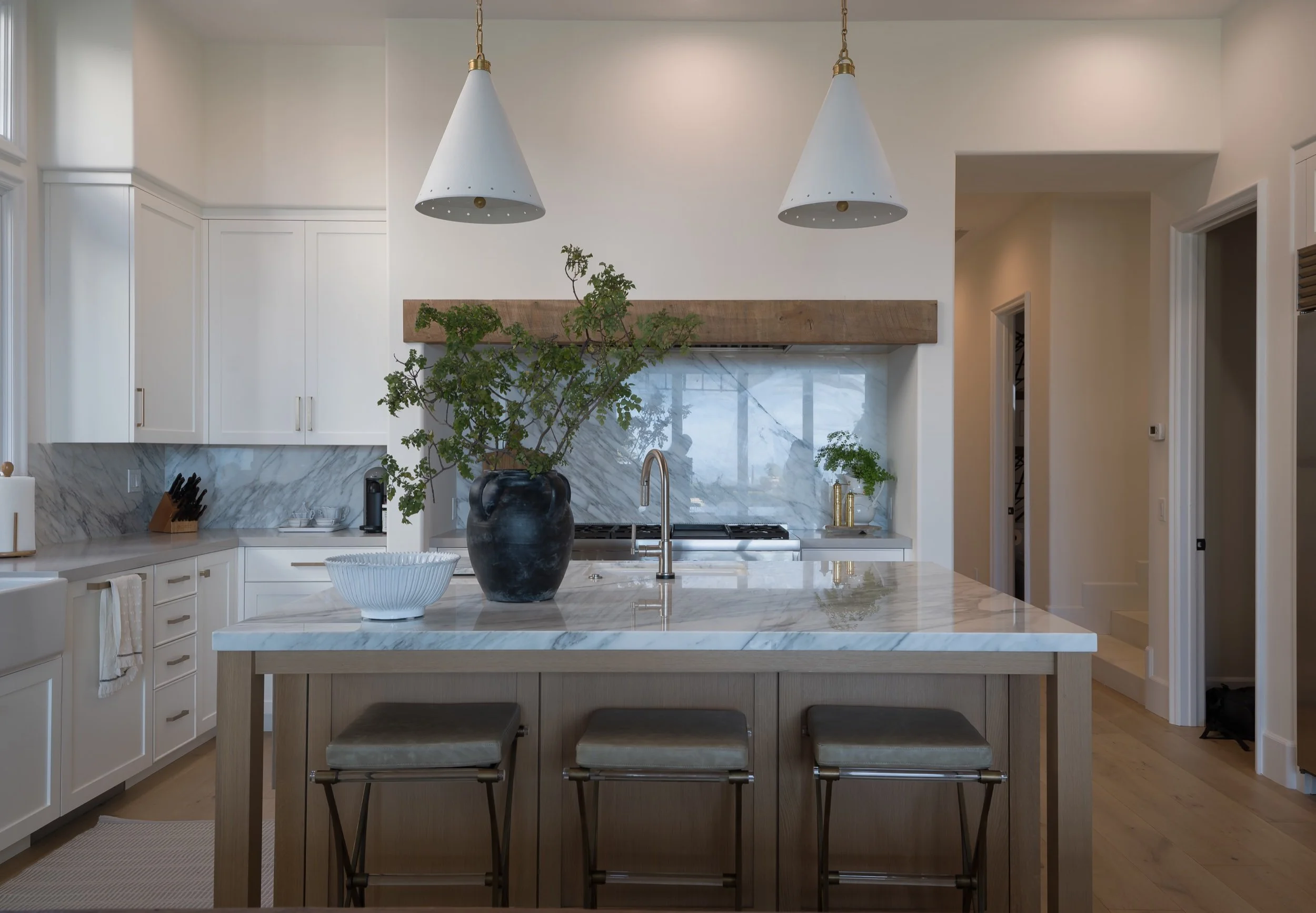
Kitchen by Vieve Interiors with white walls, clean lines, and natural wood and marble elements
In the tranquil beach-side communities of Orange County, a new design style termed “organic modern interior design style” is filling up the homes of more and more of style-lovers. Perfect for our coastal environment, organic modern interior design this style balances the simplicity of modern design with organic, or “of the earth” elements and a nature-inspired palette to create a warm casual look. In other words, this aesthetic combines natural materials and colors with modern elements for an elegant but comfortable look. If you’re looking to try out the organic modern interior design style, here are our top tips to get you started.
Start with a Neutral Backdrop
The best way to start any renovation or decorating project is to create a blank canvas. When it comes to organic modern interior design style, it’s important to start with a neutral backdrop. A fresh white or creamy paint color is the perfect foundation for the rest of your organic modern design elements.
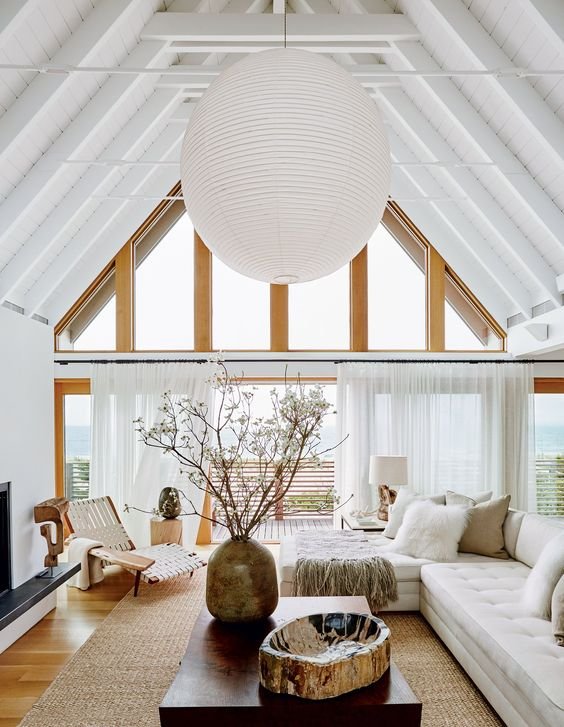
Opt for Clean Lines and Modern Simplicity
When laying out your space and choosing furniture, stick with clean lines and keep things simple for a sleek, modern vibe. This will give you plenty of room to layer on other elements like texture and color later on.

Modern bathroom with clean lines by Viève Interiors
Use Natural Elements to Soften the Space
Natural elements are key when incorporating organic modern interior design style into your home. Think wood flooring and furniture, natural stone countertops or tile, jute rugs, seagrass baskets—anything that can give your home an earthy feel while still maintaining its modern edge. Wood furniture pieces will help bring warmth into the space while rattan accessories can add texture without competing with existing accents.

The live edge wood table brings an earthy element to this stunning dining room by Viève Interiors
Introduce Earthy Colors
Organic modern interior designs utilize earthy colors like taupes, beiges, grays, whites and warm browns in order to create a calm vibe throughout the room. If you want a little more color, add in subtle ocean blues, bright gold, terracotta or deep forest greens. These should be used sparingly so as not to overpower the subdued, airy and light colour palette—a few pops here and there should do just fine!

Style With Handmade or Vintage Decor
One of the best ways to add personality and charm is by incorporating handmade decor items into your space. The originality and irregularity of something made by the human hand is key to the charm of the organic modern interior design style. Whether it’s a vintage handmade vessel, a macrame wall hanging, or repurposed thrift-store finds, these pieces can add depth and interest for an extra special touch that sets your home apart from all others!

Shelves styled with handmade bowls and vessels by Athena Calderon
Find beauty in function
A great way to keep your design clutter- free while still incorporating pretty aesthetic accents is to highlight utilitarian items as part of the design. Display cutting boards or a mortar and pestles in your kitchen, or keep a pretty woven basket in your entry to use to gather cut flowers or carry groceries.

Beautifully styled kitchen shelves with cutting boards, pepper grinders, a pitcher and mugs by Studio McGee
Lots of Greenery
Finally, make sure you incorporate lots of greenery into your space! A few potted plants can instantly brighten up any room. Add a ficus to liven up a living room or a ZZ plant to add a sculptural element in an empty corner. Not only does this help bring in some color but also helps keep air quality high which is always important for any home! And if you don’t have a green thumb, you might look at faux or dried options to achieve the same organic feel.

If you're looking for an elegant yet comfortable look for your home then organic modern interior design style might just be what you need! By combining natural materials with modern elements such as clean lines and earthy colors, you'll be able to create a unique atmosphere that fits your lifestyle perfectly!
Need help pulling together the organic modern home of your dreams? We’d love to help. Schedule a complimentary discovery call today!

Save this blog post for later on your Pinterest Home Decor Ideas Board!
5 Home Organization Musts to get your Home Clean and Inviting for Spring
With the inevitable buildup of clutter, Spring is always a great time to declutter and get organized! To help you, we’ve put together our best home organization tips to get every area of your home clean and inviting for Spring.
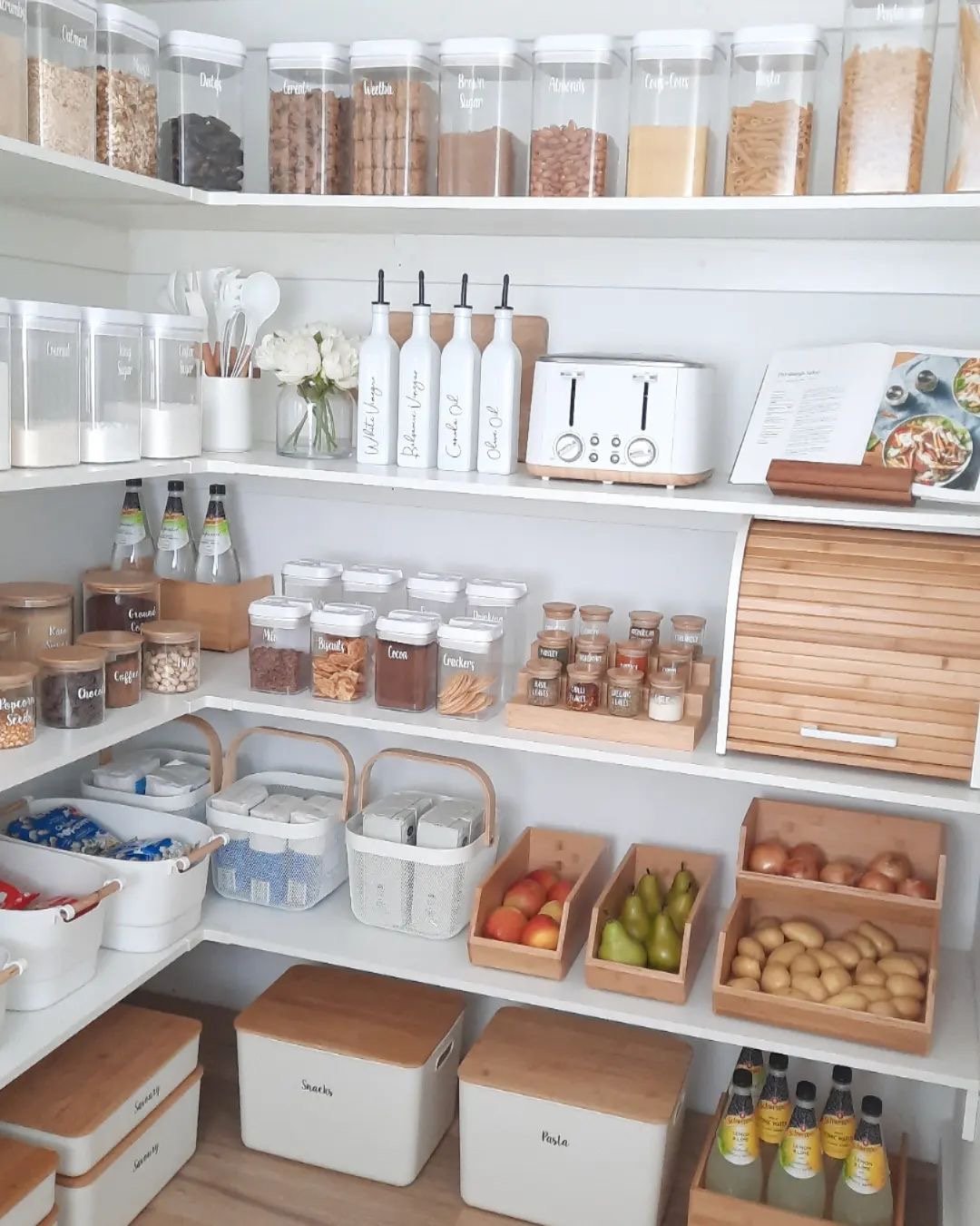
Clutter. That seven-letter word drives me absolutely nuts! How about you? Even though I keep my house as tidy as possible, in the age of Instagram ads and Amazon at our fingertips, it’s easy for me to amass more than I need. With the inevitable buildup of clutter (que my baby, Levi, as he pulls some pans and Tupperware out of the cupboard) when Spring comes around, I’m ready to declutter and get organized! To help you do the same, I’ve put together my best home organization tips for each area of your home.
Begin by decluttering your home
Before we get into our organizing ideas for Spring, here are a few quick home organization tips to declutter your home.
Create a plan and declutter one room at a time. Sounds obvious, I know. But how many times have you gotten bored or distracted in room #1 and then moved onto room #2 before finishing room #1, only to now have two messy rooms on your hands? We’ve all done it. So create a solid plan for what room you will tackle first, second, and so on. Make sure to also plan the when and how you will declutter.
Sort things into three categories. Use three large size bins labeled, “keep”, “toss”, and “donate” and quickly sort through your things one by one. Pro tip: avoid creating double the work for yourself with a “maybe” pile.. If you’re having trouble deciding whether to keep or donate something, I love Marie Kondo’s method of asking if it brings you joy or not. I also find it helpful to remind myself that something I’ve had tucked away for months might be happily used by someone else everyday. If something still brings you joy and you’re not ready to say goodbye, that's OK—keep it. We have great Spring cleaning ideas for organizing down below!
Keep a healthy mindset. Decluttering can be very overwhelming. Make sure to schedule enough time but not too much time that you get burned out. Take breaks, be patient with the process and patient with yourself, and most importantly, reward yourself when it's all over!
Now, it's time to get organized
After you’ve gotten rid of the clutter, it's time to set yourself (and your home) up for success in the future with these Spring cleaning ideas for organizing.
Entryway
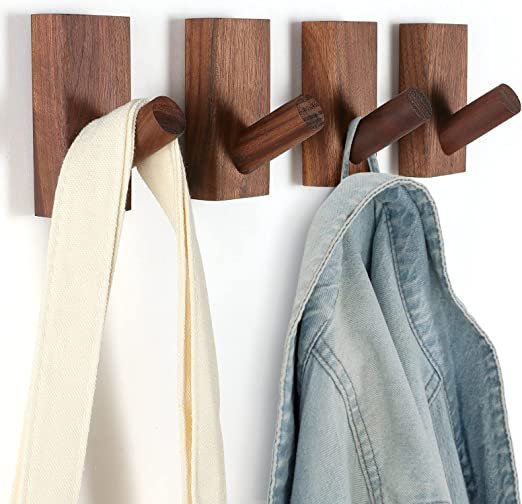
Let’s kick off our organizing ideas for Spring in the entryway. Ideally, the best way to organize your entryway is with a beautiful entry console table coupled with a custom-made coat closet. But, with or without a great coat closet or console table, adding a few hooks in your entryway is an easy way to keep things organized and off the floor. That way you can quickly grab or drop off your coat or back when you’re running in or out of the house. These simple, modern hooks from Bsdonte come in several beautiful finishes like this rich walnut color that we love, as well as a pretty beech, and a classic white.
Laundry Room

Home and Garden said it best, “Organizing a laundry room isn't just about use of space, it's about ensuring efficiency.” That—and because I need a beautiful space to inspire me to do laundry—is why the laundry room is one of my favorite rooms of the house to organize. Check out this Gabrielle Organization System from Pottery Barn. It is a super stylish way to make functional use of your laundry room wall space. Get all 6 laundry attachments (like the rack to hang towels and sweaters, shelving to store frequently used items, and laundry hampers) or pick and choose the pieces you need
Kitchen

The kitchen is arguably the one room in your home where you can’t skip out on a spring cleaning and organization session! One of our favorite organization tools in the kitchen is this SpaceAid Spice Drawer Organizer. This is something we always incorporate in our custom kitchen designs. We love that this set comes with the bottles and labels all ready to go for a clean minimalist look! If you don’t have room in a drawer, this Pull-Out Spice Rack is a great option for an upper cabinet.
Bedroom

One thing that I really dislike is an overstuffed closet. That means that items I’d like to keep, but don’t have use for at the moment, have to make their way under the bed. To keep the items dust-free, I use these Rubbermaid Under the Bed Wheeled Storage Boxes. Note, it’s important to measure the clearance under your bed to make sure these work. If your bed is lower, you could utilize these Underbed Bags instead.
Bathroom

Last, but not least in our organizing ideas for Spring, we recommend these Stackable Clear Plastic Organizer Drawers for your bathroom. I’ve tested them and loved them! They are perfect for organizing cosmetics and beauty supplies, first aid kits, and much more. I actually keep these drawers under my kitchen sink, proving they are great for organizing many different spaces in your home.
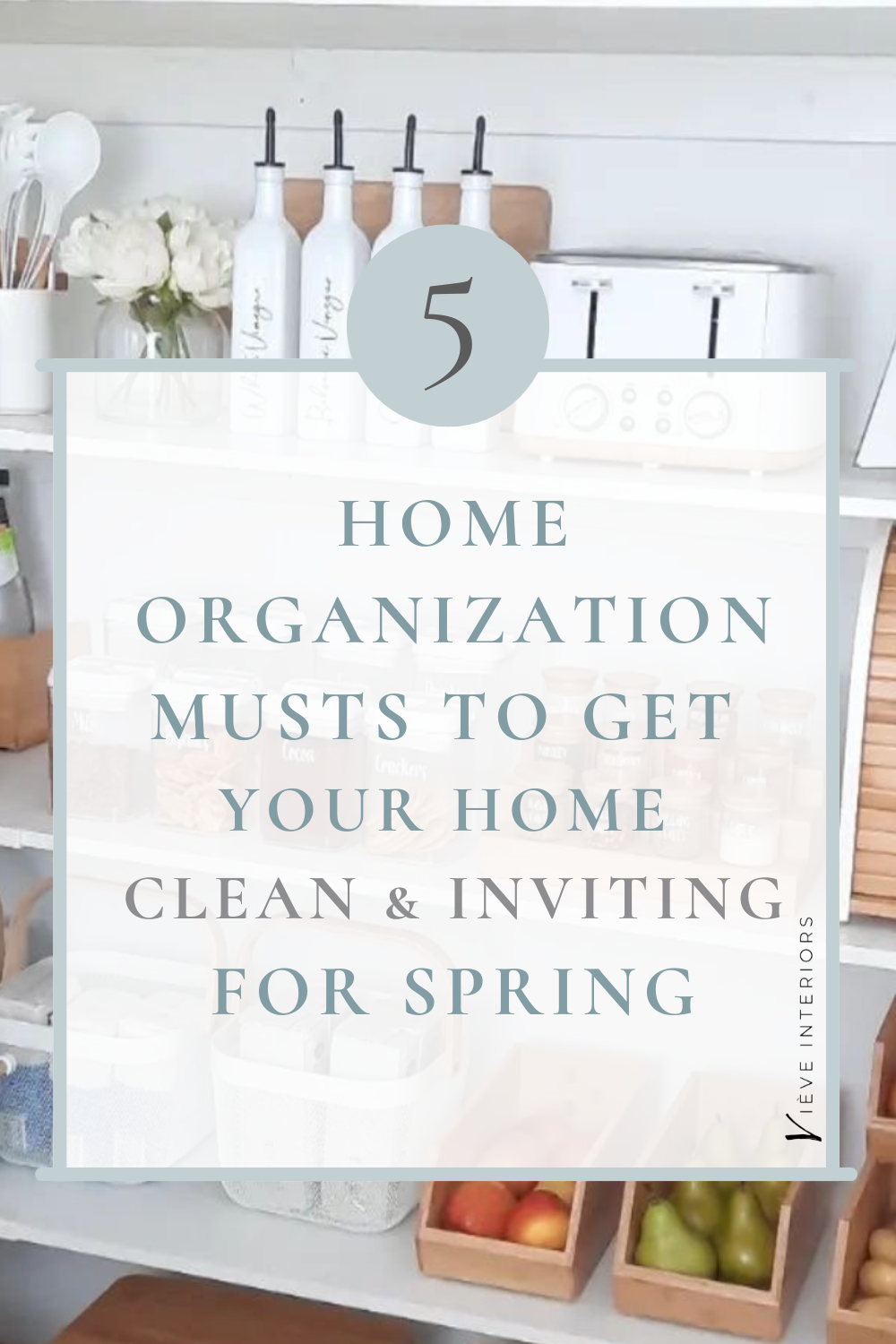
Want to save these home organization ideas for later? Be sure to save this to your Pinterest Home Organization board!
For more interior design inspiration and tips to decorate your Orange County home, be sure to sign up for our newsletter.
How to Decorate Your Orange County Home Using Masculine Interior Design Style
Every now and then, you come across an interior design style that’s strikingly different in the best way. It’s bold, it’s moody, it’s functional—it’s masculine interior design style! Check out our 5 tips to achieve this dramatic design style that is perfect for a game room, a sexy bar, or a cozy guest room.
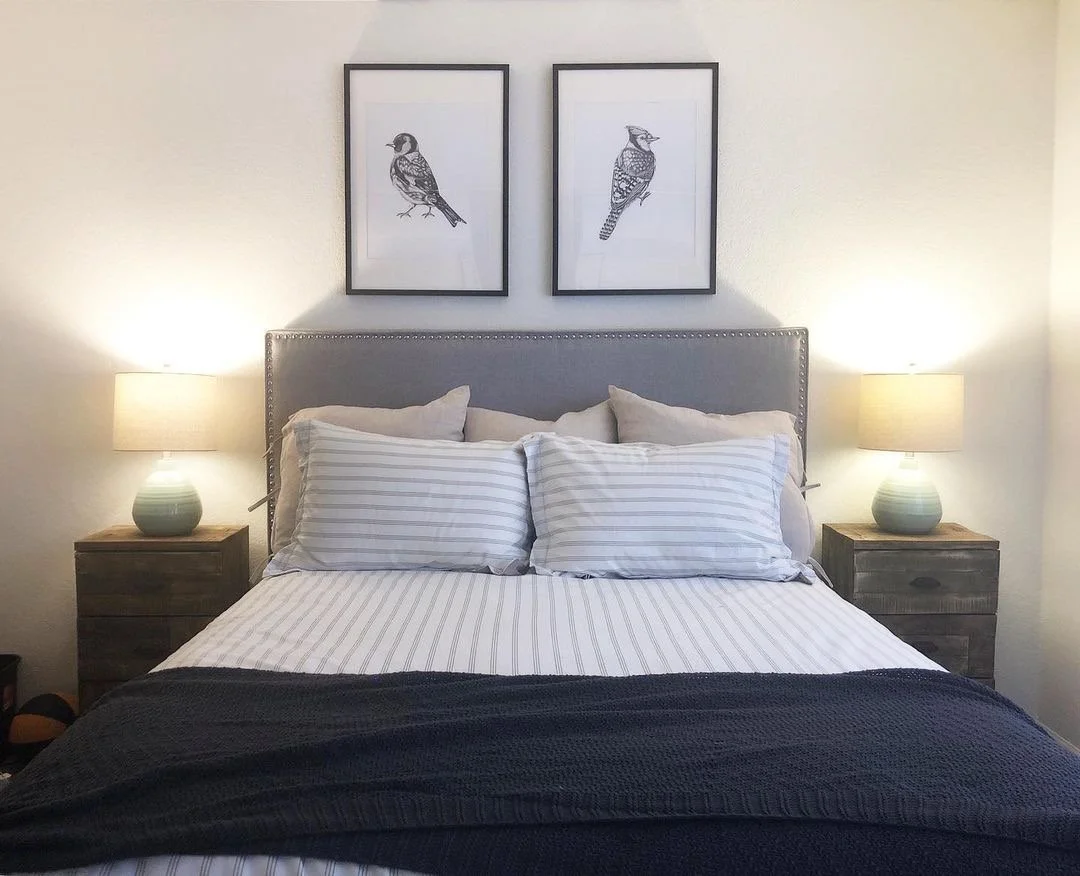
Bedroom designed and styled by Viève Interiors
If you’re anything like me, you’re following a slew of interior designers on social media and blogs who share images of airy designs with soft color pallets. But every now and then, you come across an image that’s strikingly different in the best way. It’s bold, it’s moody, it’s functional, it’s masculine interior design style.
What is masculine interior design style? It encompasses simple lines, strong materials and comfort. It can even be elegant, industrial, modern, contemporary, or bright. But the best description we have heard of masculine interior design style is this: “a bold, yet functional [design] trend which takes inspiration from the lifestyle of a man”. As with women, no two men are the same, so masculine interior design style is definitely up for interpretation and personalization. But with all design styles, there are some characteristics that can help inspire you to create a space that has a masculine flare.
Before we get into it, we wanted to point out that using masculine interior design style doesn’t necessarily mean you are decorating a bachelor pad. This dramatic design style is perfect for a game room, a sexy bar, or a cozy guest room. Even if you’re set on a more feminine feel, incorporating elements of masculine design is a good way to balance more feminine curves or floral patterns in your home for a look that feels right for all family and friends.
1. Choose rich, deep and dark room colors.
One of the most prominent aspects of a masculine room is the color scheme. Usually, masculine design style features darker hues of blue and green, plus varying shades of gray and brown, as well as black. The key is rich, deep, dark colors with decorative accents in lighter colors to create contrast. This creates a dramatic vibe. You can easily incorporate these colors using interior paint, decorating home fabrics or small accessories.
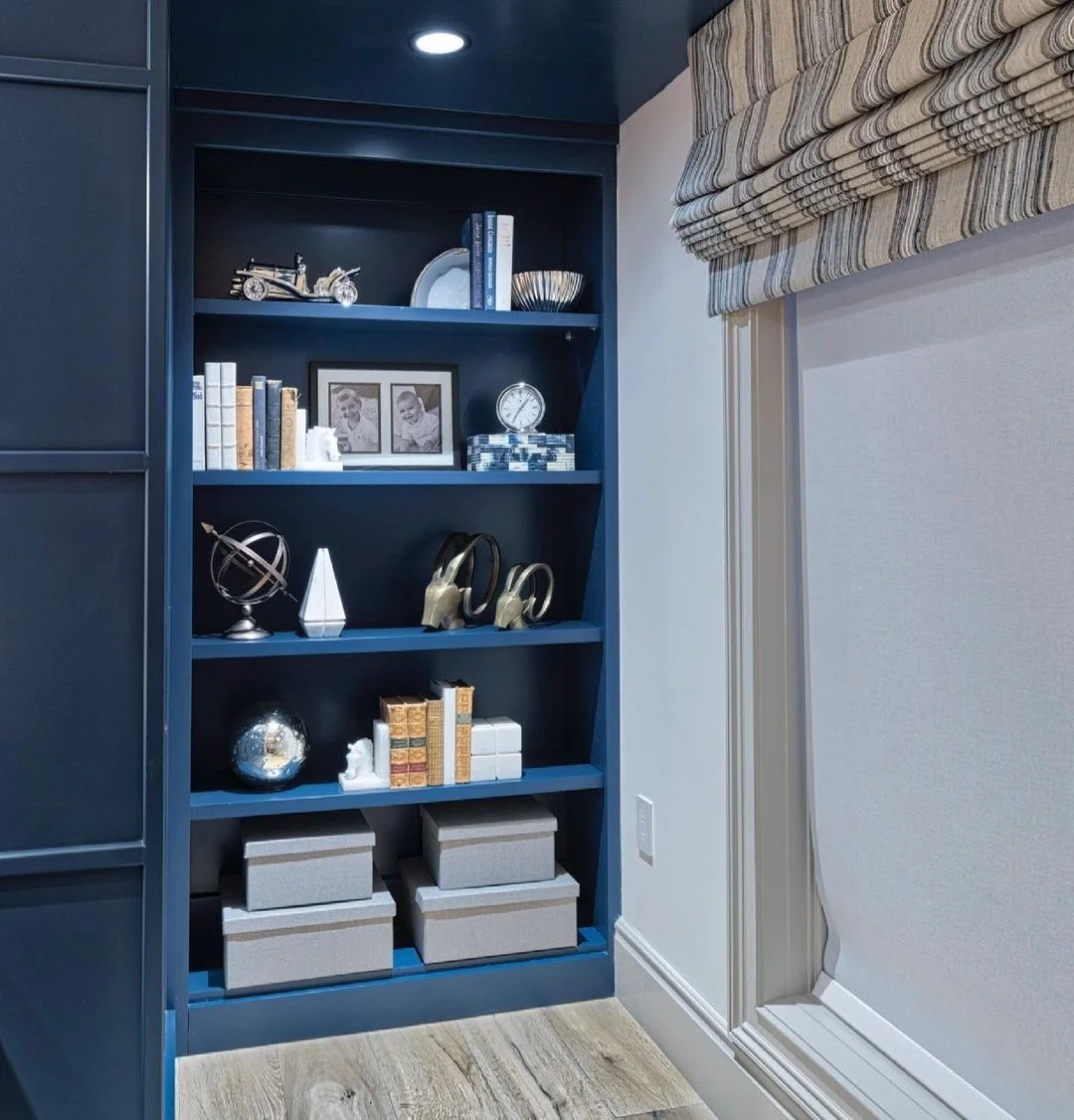
Masculine office space designed by Viève Interiors
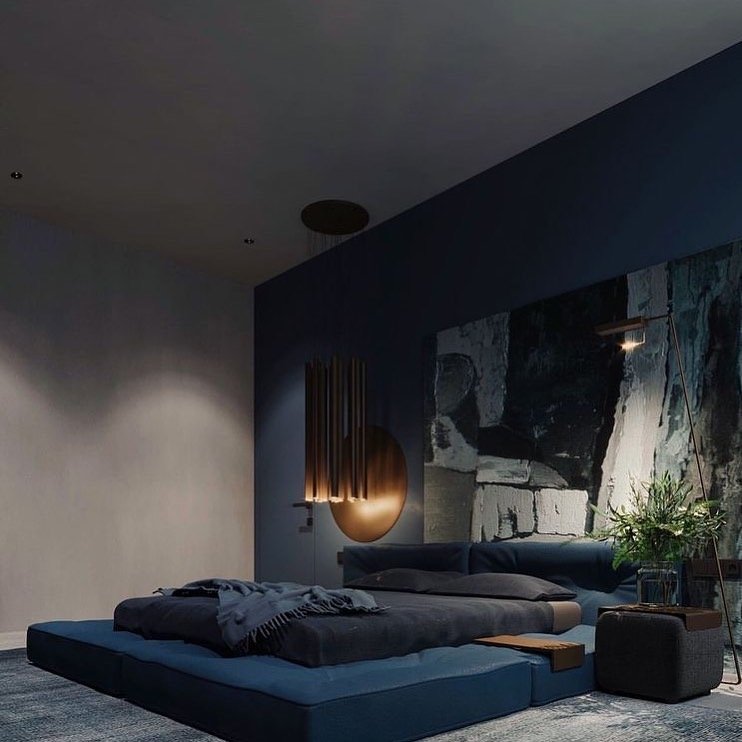
Photo credit: @masculine_interiors
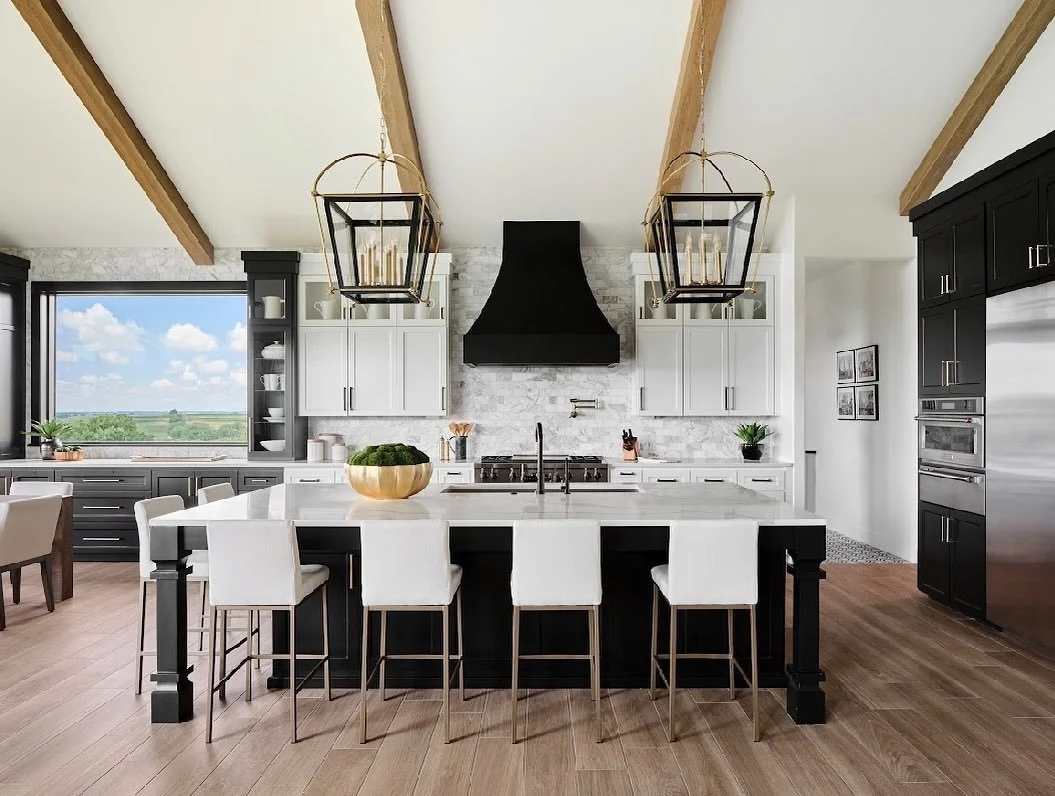
Photo credit: @havendesignandconstruction
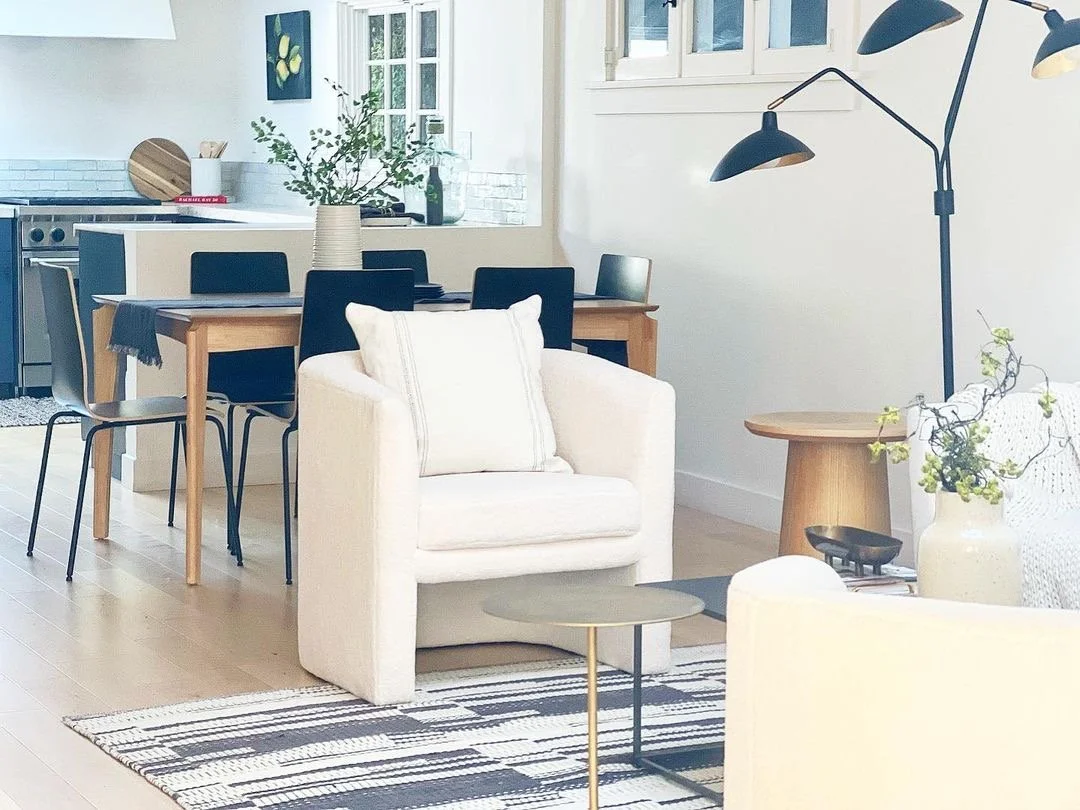
Photo Credit: @leahkoubainteriors
2. Accent the room with strong materials.
Another key defining characteristic of masculine design style is to incorporate materials including metal, wood, stone and leather. These materials naturally exude a more masculine energy and also tend to come in more masculine and neutral colors. Focus on key pieces of furniture like a leather chair or sofa, the bed frame, or our personal favorite, an impressive, live-edge dining table. You could also consider adding these elements into other parts of your home like sky beams, light fixtures, and appliances.
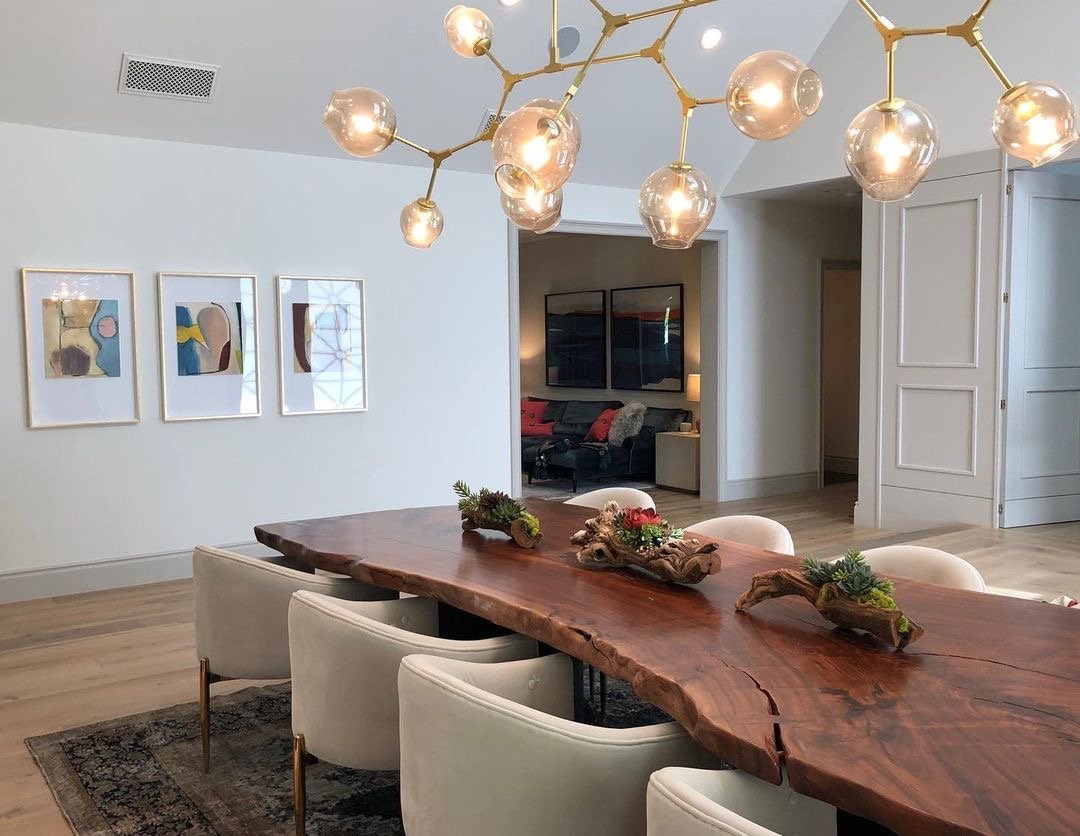
Dining room designed by Viève Interiors

Photo credit: @jlv_creative
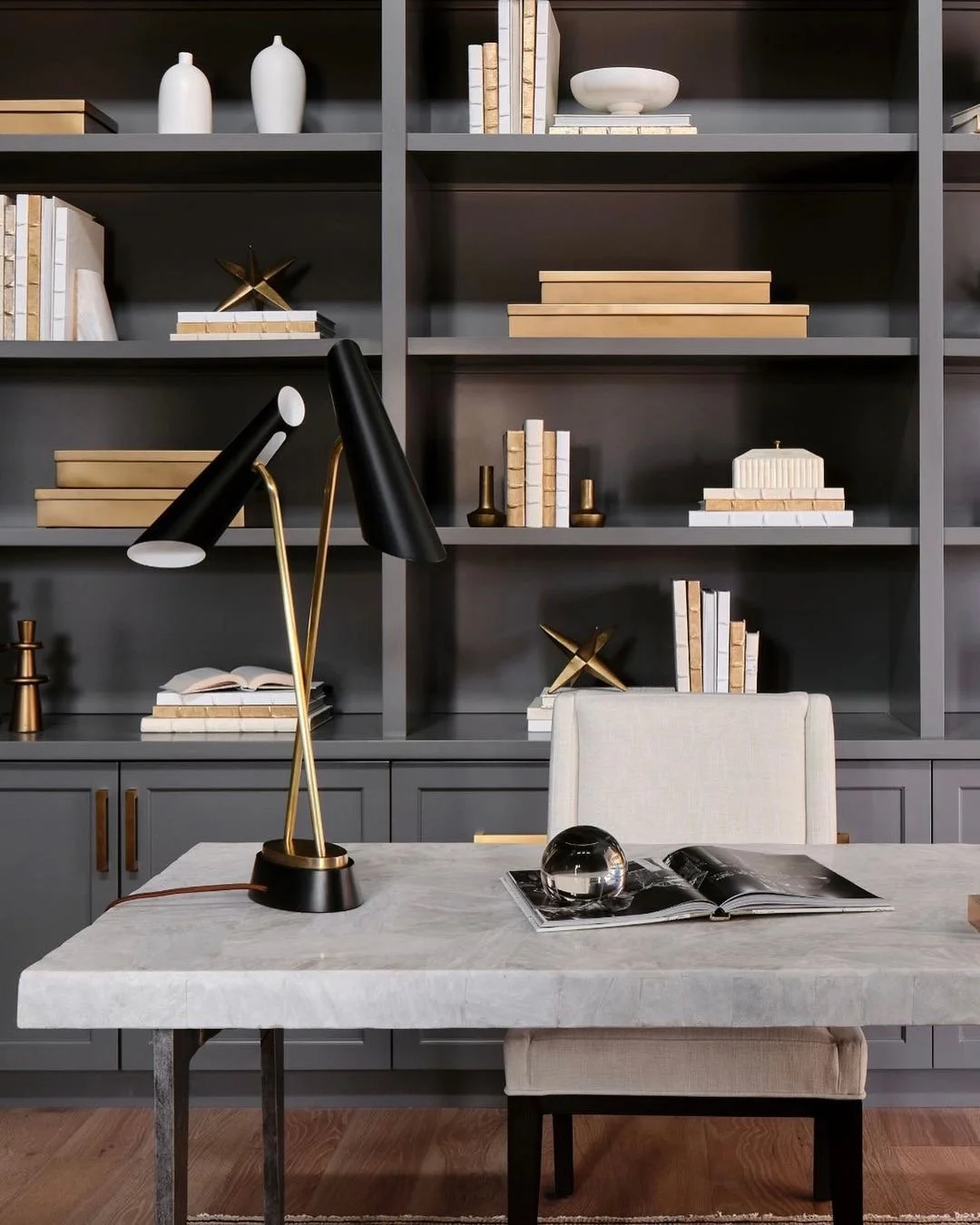
Photo credit: @havendesignandconstruction
3. Design for comfort and functionality.
Any good interior designer will make sure to balance the aesthetics of a room with functionality. And when it comes to masculine interior design style, it is pretty evident that comfort and functionality are at the forefront. You won’t see a lot of wasted space or nick knacks in this design style—every desk, bookshelf, chair, sofa, bar cart, pool table, or decorative box, etc. has a purpose.
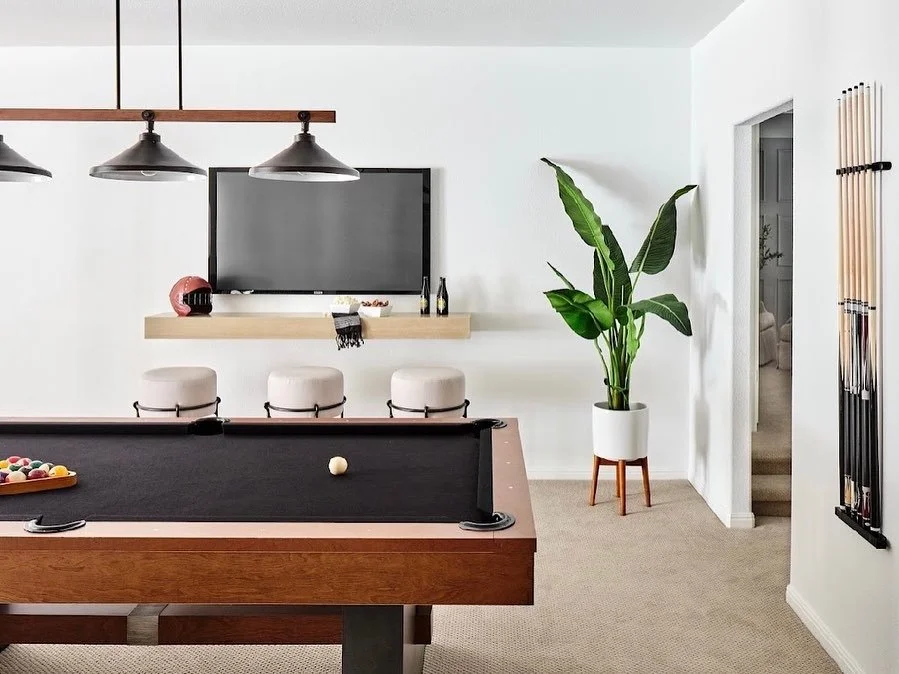
Photo credit: @havendesignandconstruction
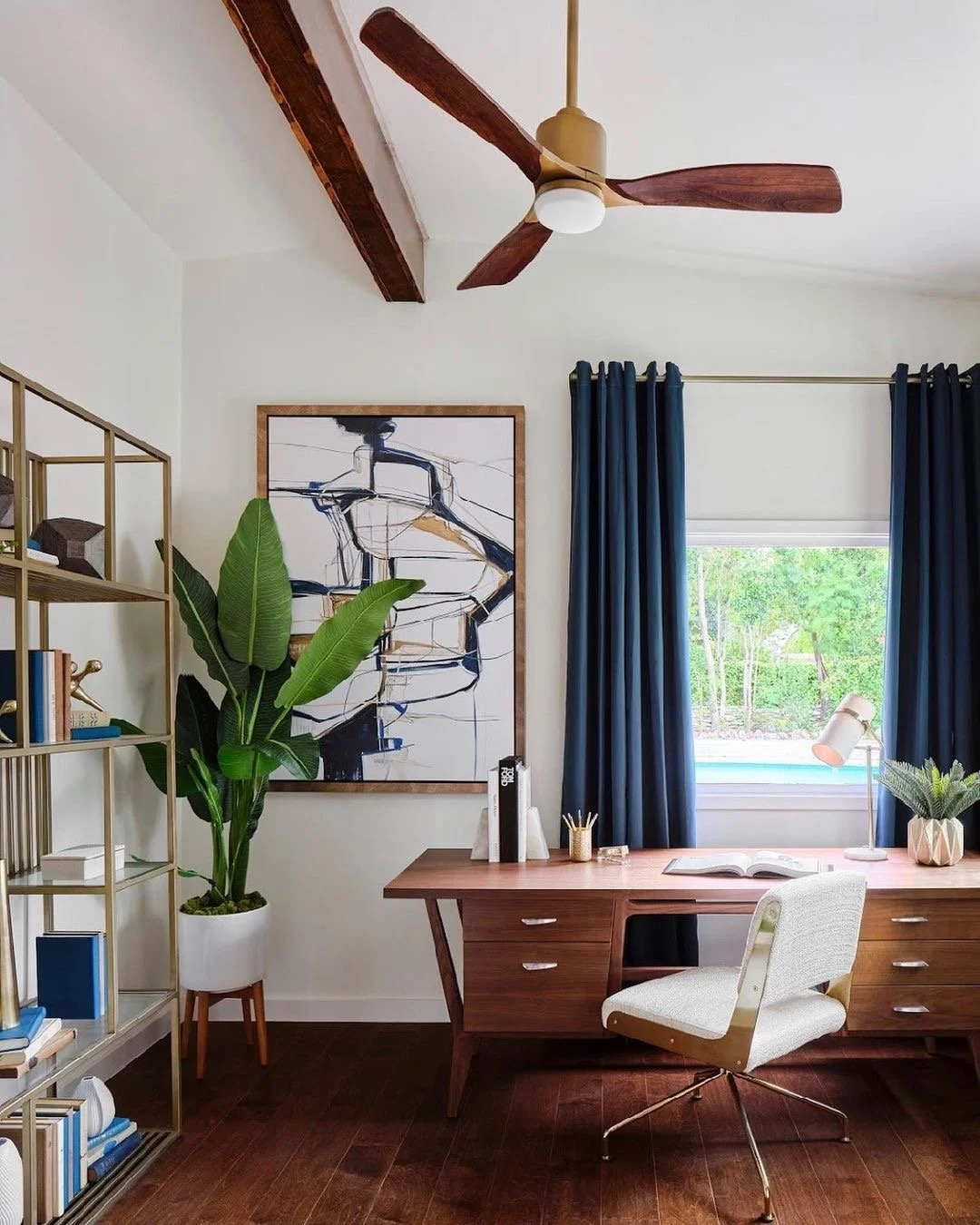
Photo credit: @havendesignandconstruction
4. Focus on simple and clean lines.
Effortless simplicity is at the heart of this design trend. And clean, simple lines are the key. Masculine spaces have very clean, tailored lines. In addition to using more linear and simplified furniture, you can tie a masculine room together with the clean lines of your flooring, drapery, bookcases, wall finishings, backsplashes, the tub or shower, and so much more.
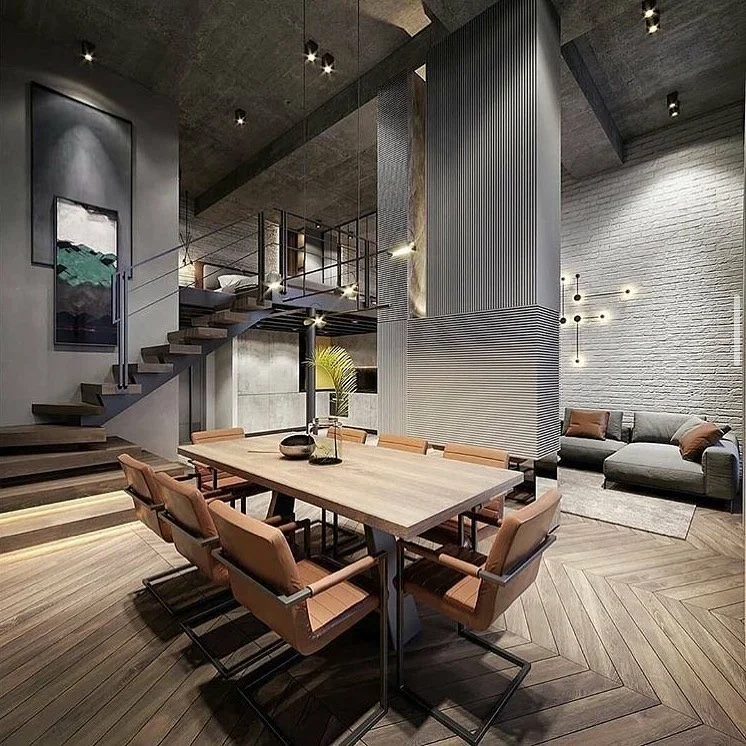
Photo credit: @masculine_interiors
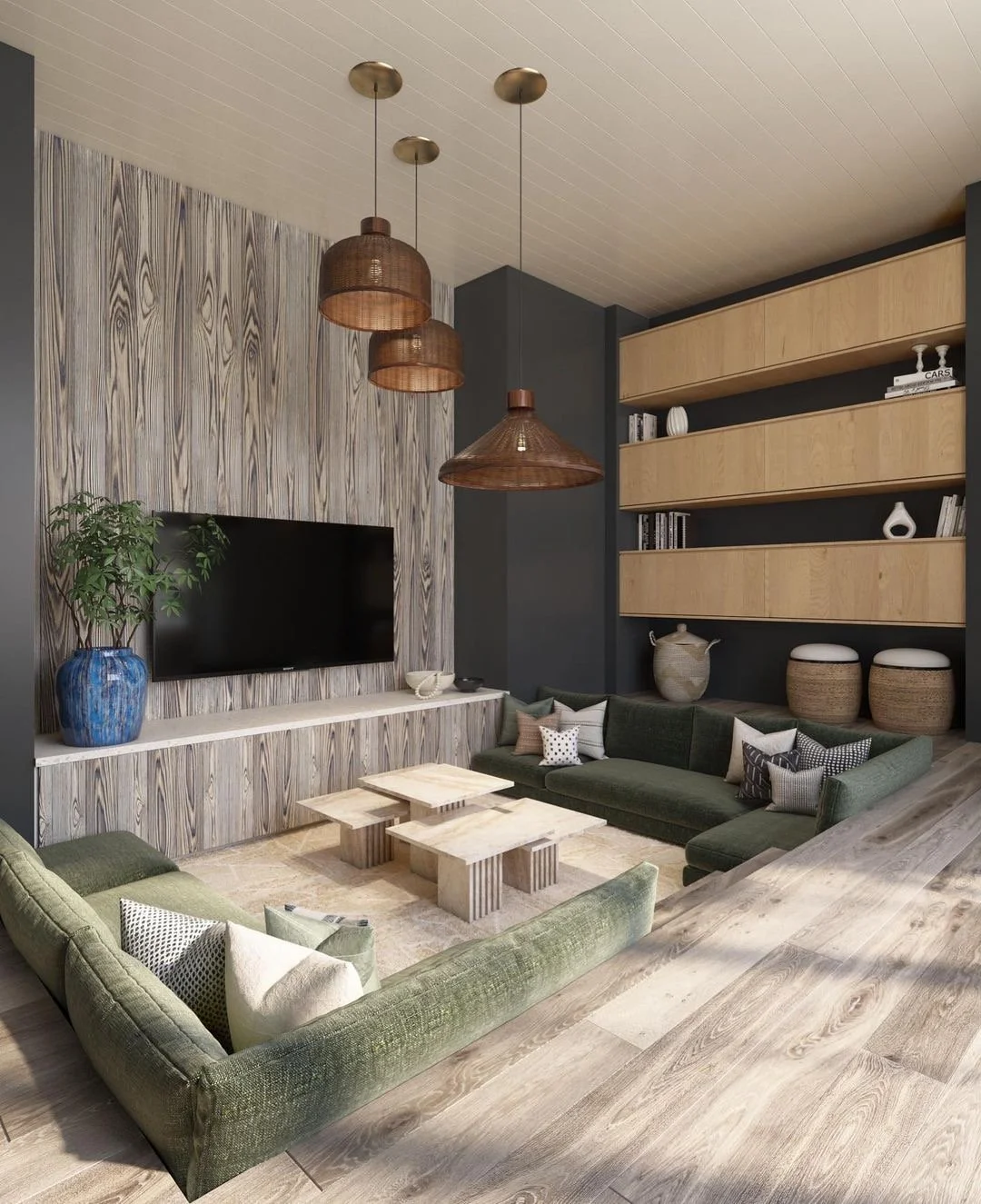
Photo credit: @jlv_creative
5. Don’t forget the finishing touches.
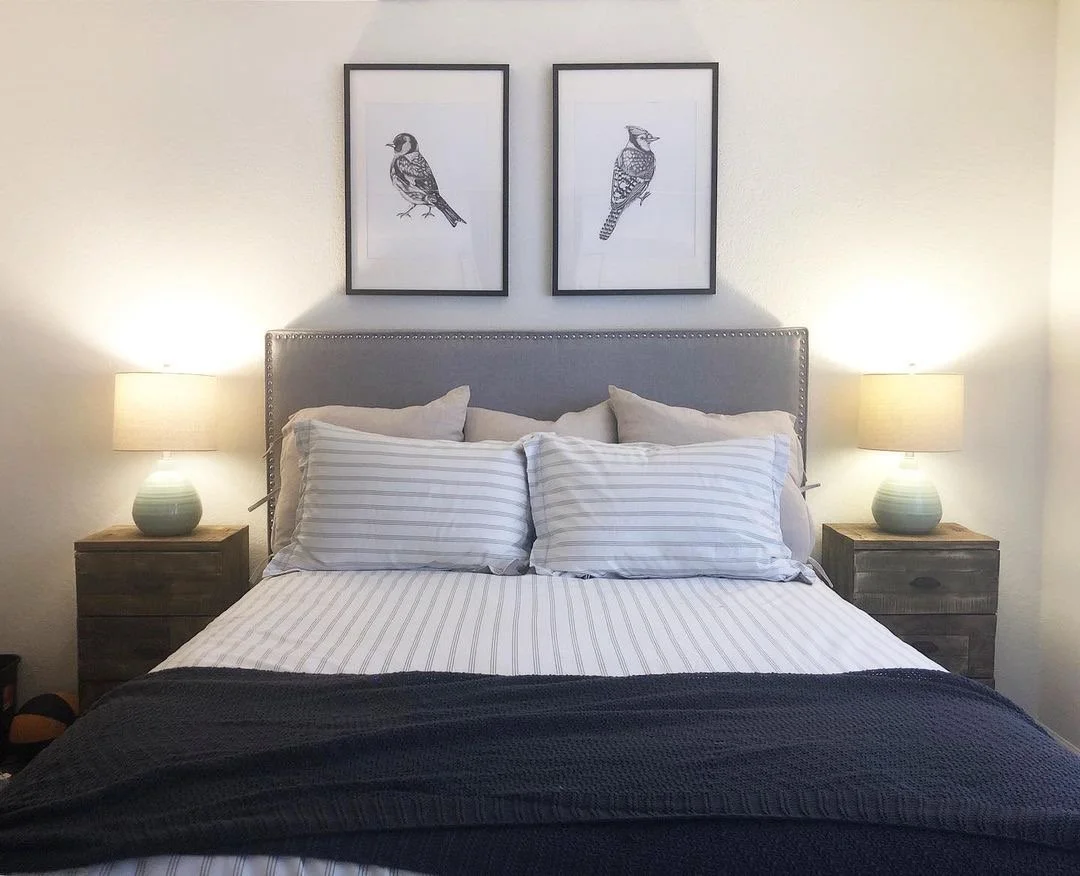
Along with tip number three, the finishing touches are really what make a space your own. Don’t forget to hang artwork, prints, mirrors and shelving that speaks to you. Fill in empty spaces with meaningful sculptures or oversized plants. With masculine interior design style, the finishing touches are often inspired by nature, so look for pieces like the matching bird photos we used in this Orange County bedroom!
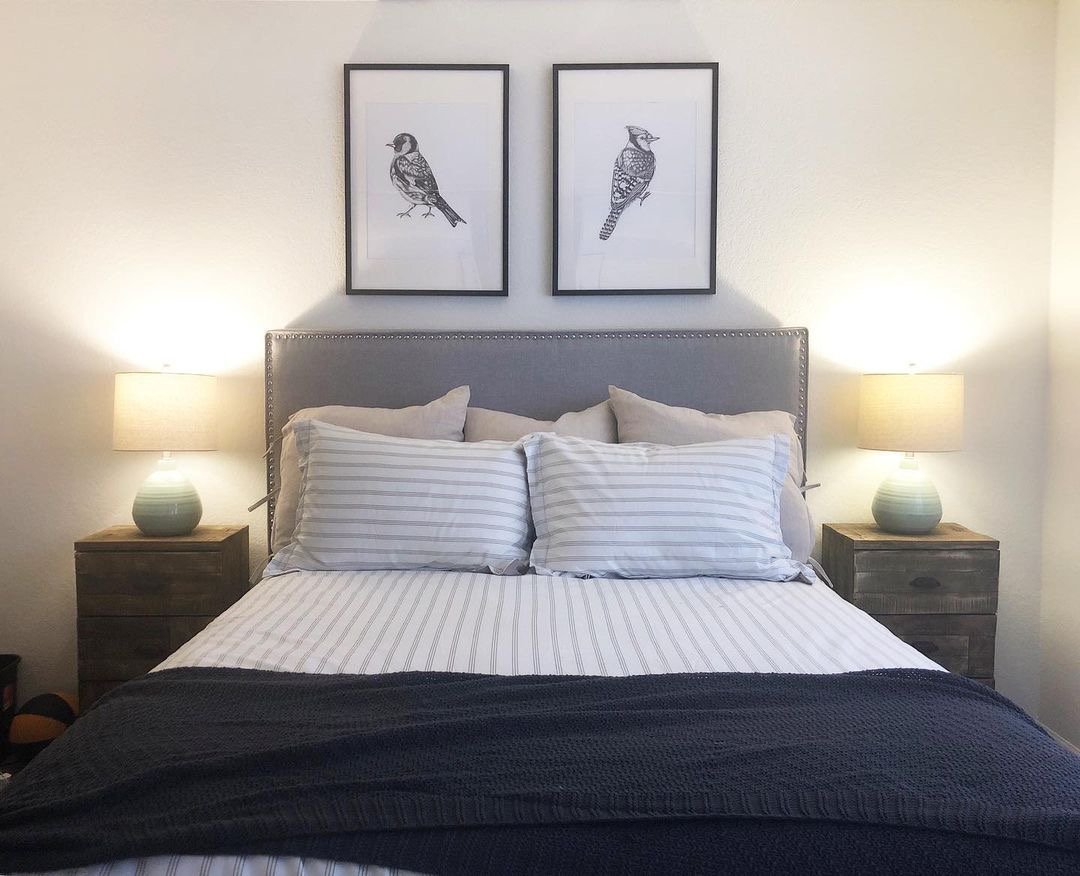
Bedroom designed and styled by Viève Interiors
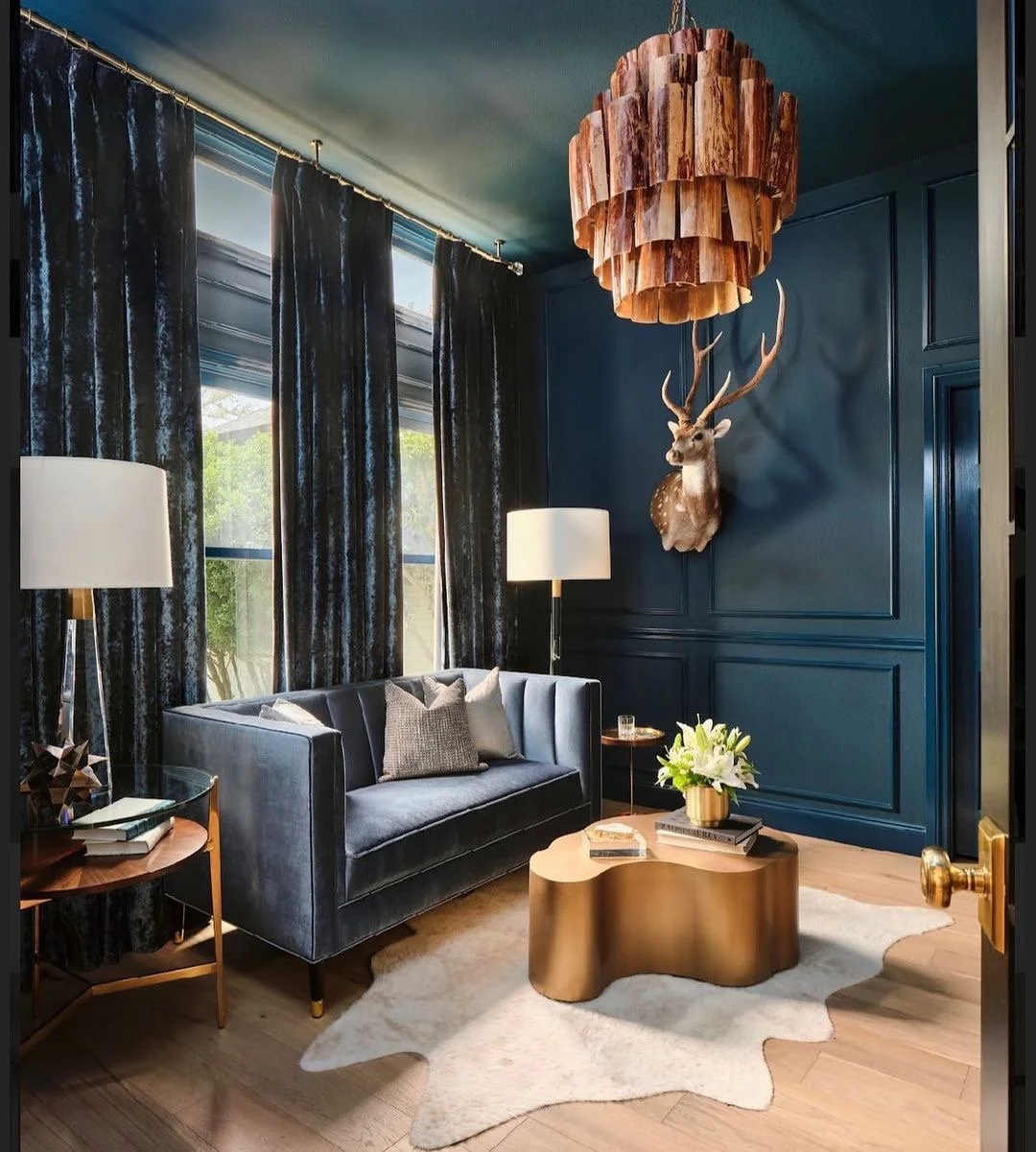
Photo credit: @havendesignandconstruction
For more interior design inspiration and tips to decorate your Orange County home, be sure to sign up for our newsletter, here.

Hi friends! I’m Genevieve, ower of Viève Interiors. With an attentive ear, savvy technical skills, and a knack for style, I love helping clients create beautiful, polished and personalized homes that they love. For more information about how we can help you design your dream home, reach out to set up a complimentary discovery call.