

A Designer’s Guide to Renovating Your Orange County Mid-Century Home
There’s something truly magical about a mid-century home—flat rooflines, long horizontal planes, and floor-to-ceiling glass that lets the sunshine pour in. These architectural gems deserve thoughtful renovation—ideally with the expertise of an experienced Orange County interior designer who respects the nuances of the mid-century interior design style. Whether you're opening up the layout, upgrading finishes, or refining the decor of your mid-century Orange County home, here are a few expert tips to help you bring your space into its next beautiful chapter.
There’s something truly magical about a mid-century home—flat rooflines, long horizontal planes, and floor-to-ceiling glass that lets the sunshine pour in. This iconic design aesthetic is characterized by sleek lines, open spaces, and a blend of indoor and outdoor living. In Orange County, where the climate invites year-round al fresco living, this architecture feels especially well-suited—blurring the line between structure and landscape.
If you’re lucky enough to own one of these architectural gems, you already know: they deserve thoughtful renovation—ideally with the expertise of an experienced Orange County interior designer who respects the nuances of the mid-century interior design style. Done well, a mid-century renovation blends reverence for original details with modern livability, creating something that feels at once timeless and tailored. Whether you're opening up the layout, upgrading finishes, or refining the decor, here are a few expert tips to help you bring your space into its next beautiful chapter.
Embrace the Open Layout—But Define It with Intention
One of the hallmarks of mid-century architecture is the open floor plan—a forward-thinking idea that emphasized flow, light, and connection long before it became a buzzword. But not all homes from the era fully embraced it, and many have since been chopped up by misguided renovations. If your space feels disjointed, consider thoughtfully removing non-load-bearing walls to restore that sense of movement and openness.
That said, open doesn’t mean empty. A well-designed layout uses both architecture and furnishings to subtly define zones. Wide transitions—especially those framed by cabinetry, shelving that wraps around a corner, or low partitions—allow your eye to travel freely from space to space while still giving each area its own identity.
Design Insight:
Our minds are surprisingly generous. Even when something like a table lamp or shelving unit partially “blocks” the view, your brain fills in the rest—especially across wide openings. Instead of fixating on keeping everything in your line of sight, focus on functionality and layering to create cozy vignettes. A strategically placed rug or reading chair won't break the flow; it'll enhance it.
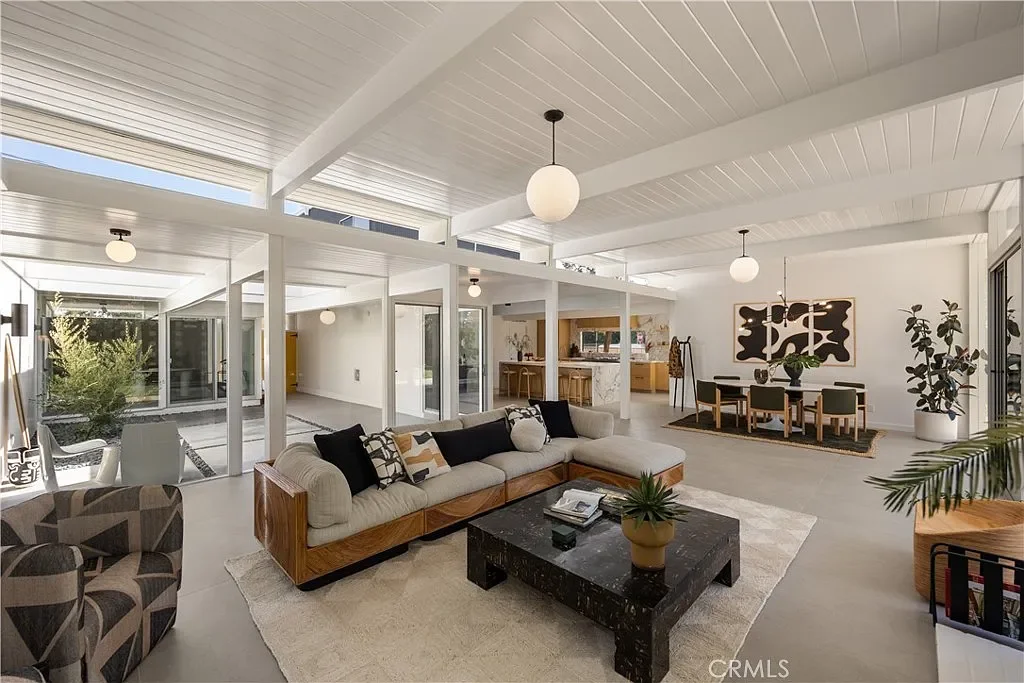
Source: Zillow
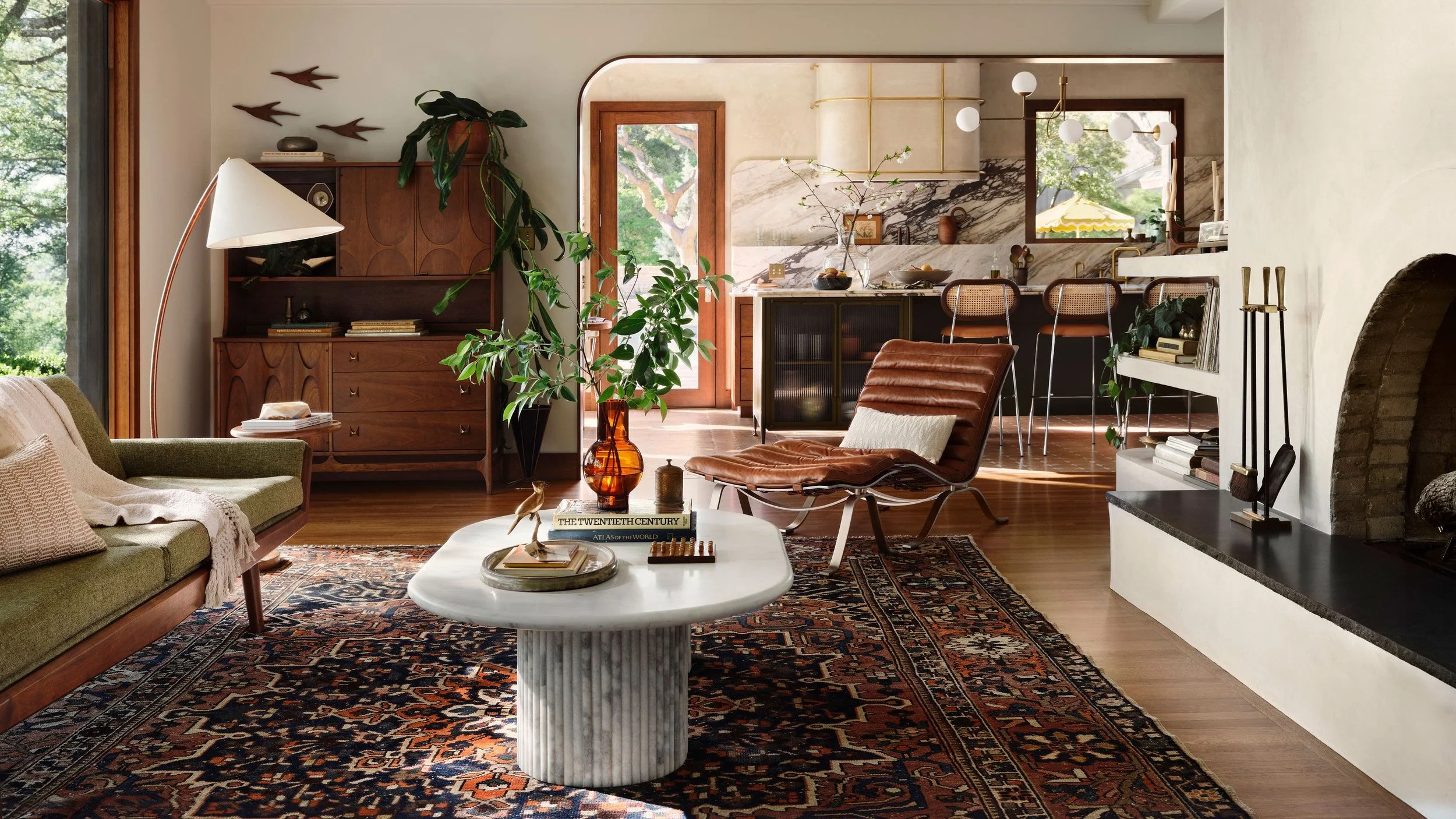
Design by Joanna Gains
Use Planes and Transitions to Shape Space
Mid-century design is all about honoring horizontal and vertical lines. Use the planes of your ceiling and floor to delineate spaces in subtle, architectural ways. Consider stepping down into a sunken living area, varying ceiling heights, or changing flooring material to shift the mood from one zone to the next. These layered transitions allow the home to feel open and intentionally arranged.
Design Insight:
Use area rugs, lighting, and anchored furniture groupings to create cozy, functional zones. A low-slung sofa on a thick woven rug can instantly define a conversation area, while pendant lights or directional sconces help emphasize purpose without interrupting the openness.
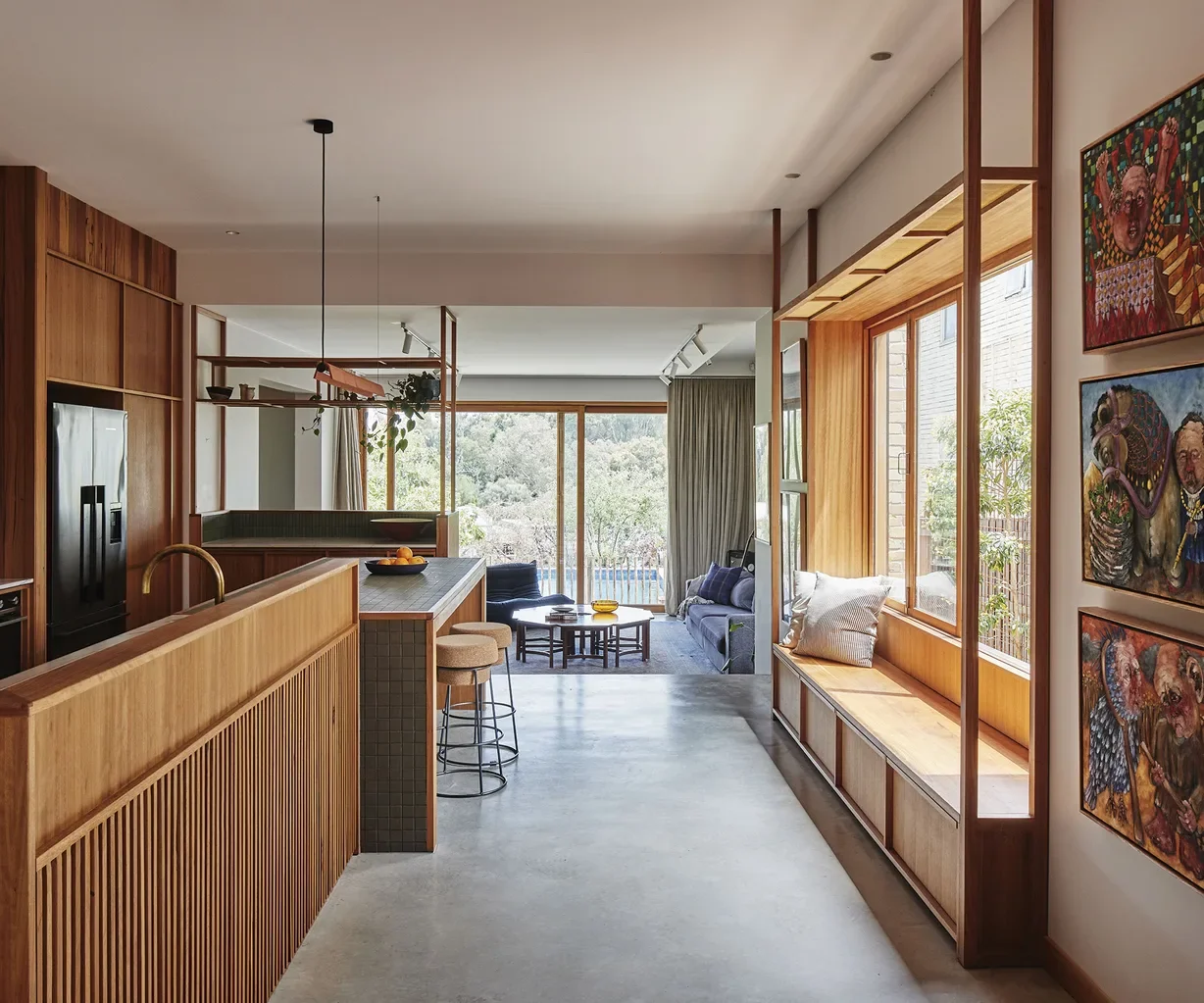
Designed by MRTN Architects Source
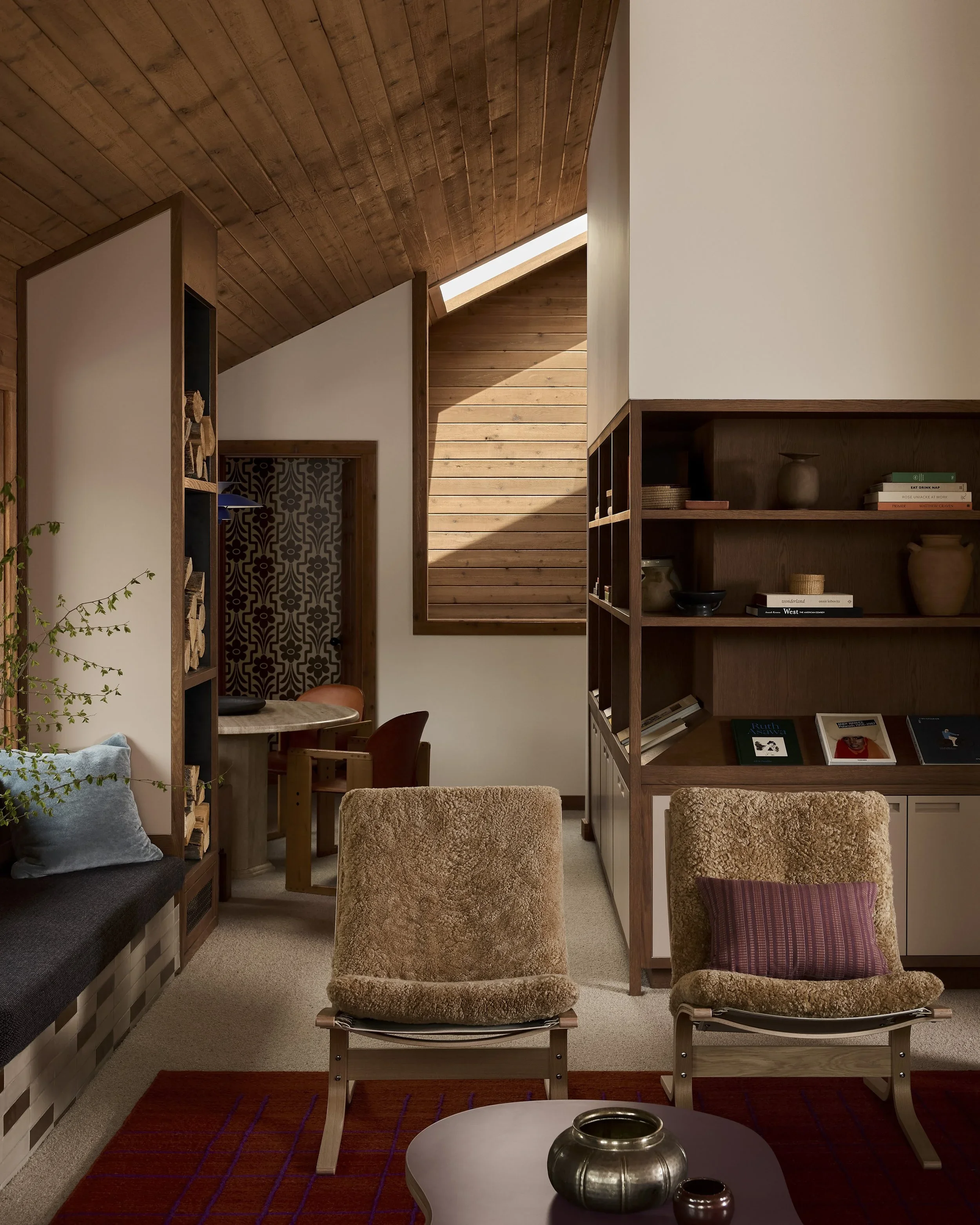
Design by Yond Interiors
Respect the Aesthetic—But Make it Your Own
The mid-century interior design style celebrates simplicity, honesty of materials, and organic forms—principles that still resonate deeply in well-designed homes today. But that doesn’t mean your home has to look like a time capsule. Channel the spirit of the era with clean-lined furniture, warm woods, and low profiles—but make it yours.
Pro Tip:
Modern luxury is all about restraint. Invest in timeless pieces: a sleek walnut console, a sculptural chair with worn-in leather, or a minimalist pendant light that nods to the 1960s without screaming retro. Layer in era-inspired colors—like olive, ochre, or rust—through art, upholstery, or even tile. Just keep the palette curated, not chaotic.
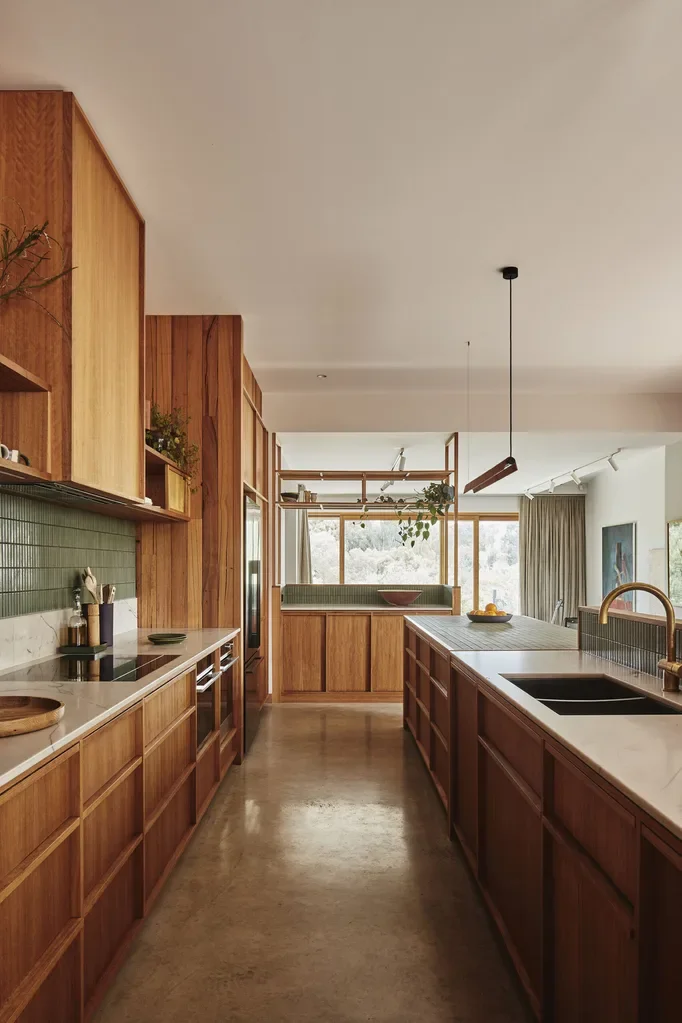
Designed by MRTN Architects Source
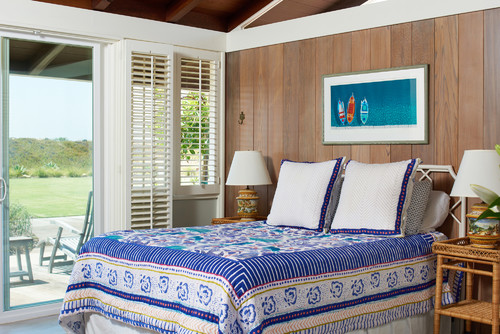
Let Natural Light Lead the Way
Glass walls and clerestory windows are some of the most beloved features in mid-century homes. If your home has them, preserve them. If it doesn’t, now is the time to consider strategic additions. Oversized sliding doors, skylights, and floor-to-ceiling glazing can drastically improve the way your home feels from morning to night. You can also use mirrors or glossy surfaces to reflect light deeper into the home. A mirrored wall behind a floating console or a metallic backsplash in the kitchen can subtly bounce light and expand space.
Pro Tip:
Don’t let window treatments be an afterthought—they should complement the architecture, not compete with it. For sun protection that doesn’t block a killer view, opt for minimal roller shades that filter light without distraction. Where privacy or blackout is needed, floor-to-ceiling drapery on a recessed ceiling track adds softness and function without interrupting the clean lines of floor to ceiling glass.
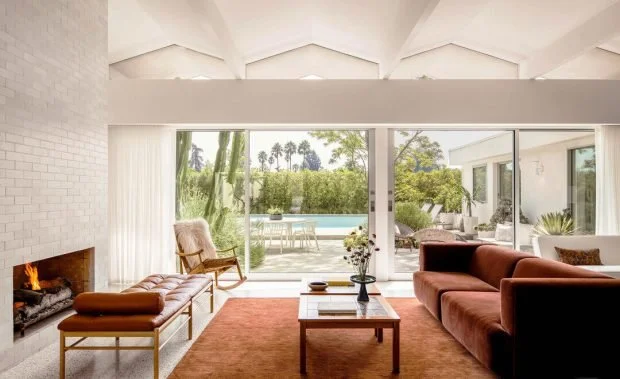
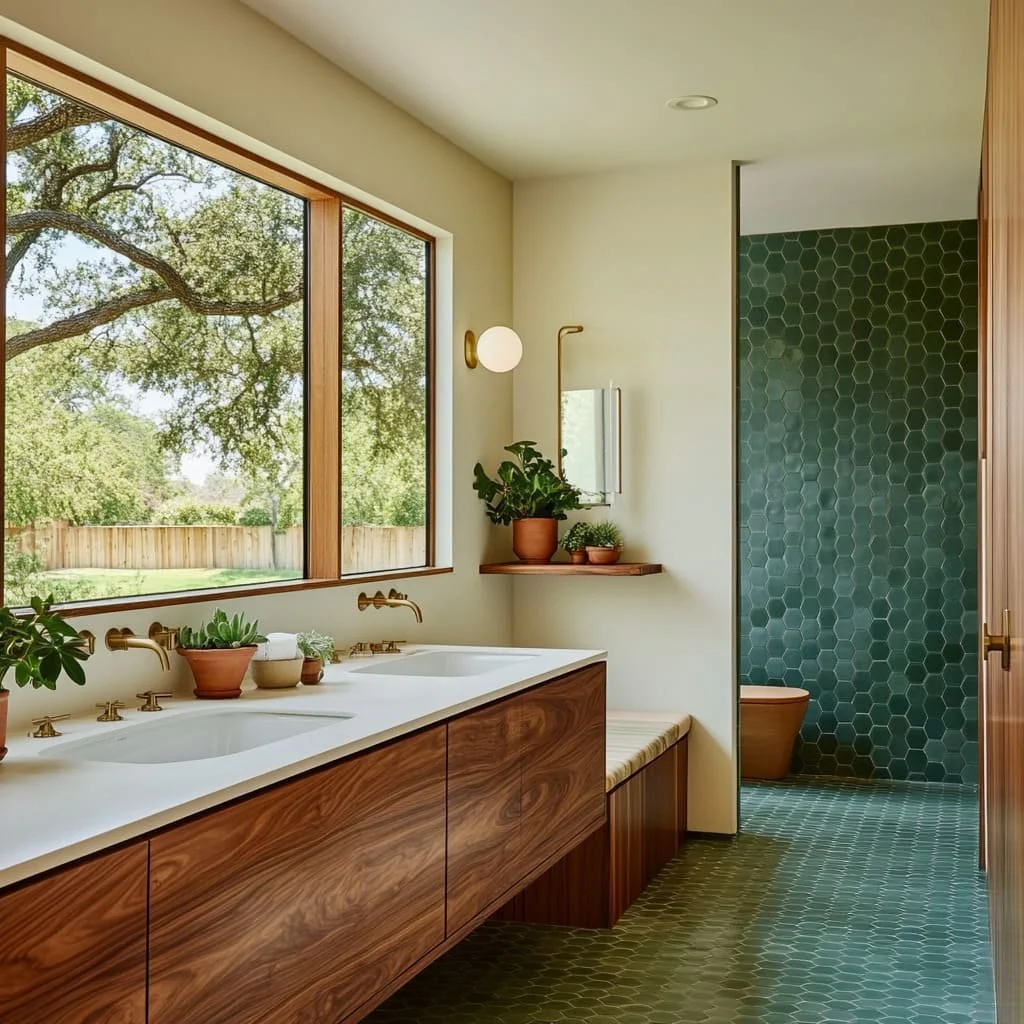

Design by Studio Mellone
Create Seamless Indoor-Outdoor Connections
One of the joys of mid-century design is the blur between inside and out. Renovating with this in mind means more than just opening up the back of the house—it’s about material continuity. Think terrazzo that flows from the living room onto the patio, brick that wraps from the fireplace out to the exterior wall, or slatted wood ceilings that stretch across the soffit outside.
Design Insight:
Low-slung rooflines and extended overhangs are part of the DNA. If you're renovating, consider enhancing or restoring these features—they provide sun protection and style in equal measure. And treat your outdoor space as a true extension of the home—furnish it thoughtfully with pieces that mirror your interior materials, and build in elements like outdoor storage, integrated planters, or a modern fire pit.

Design by Studio Mellone

Photo by AG Milworks
Invest in Materials That Stand the Test of Time
Mid-century homes were built with longevity in mind—and your renovation should follow suit. Avoid overly trendy finishes and instead focus on material integrity. Natural wood, stone, handcrafted tile, and metal finishes that patina over time will feel more authentic and luxurious than anything flashy or synthetic.
Pro Tip:
Don’t rip out the good stuff! If you’ve inherited original built-ins, paneling, or wood floors, refinish and reinterpret them. They’re what make your home special.
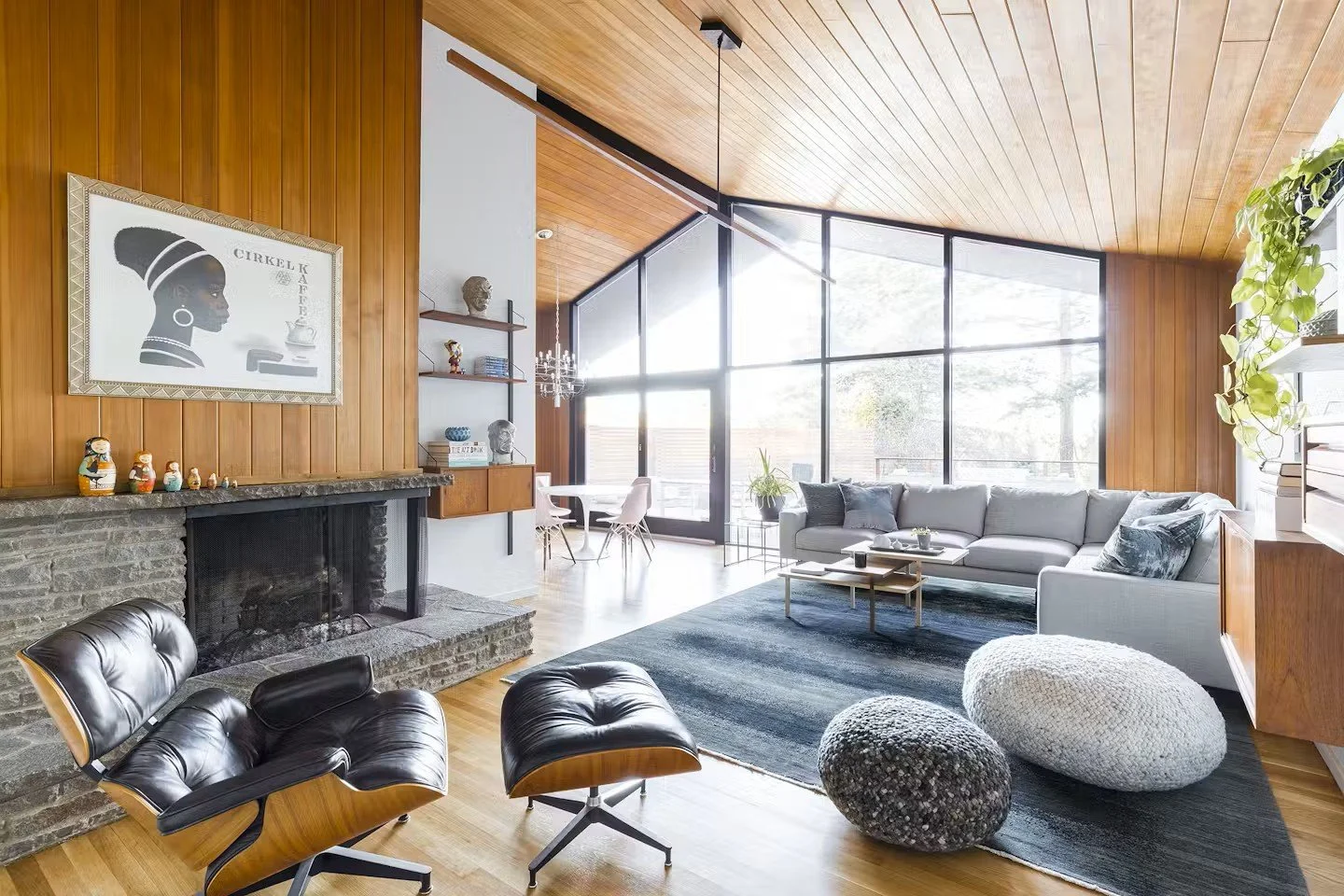
Designed by Penny Black Interiors
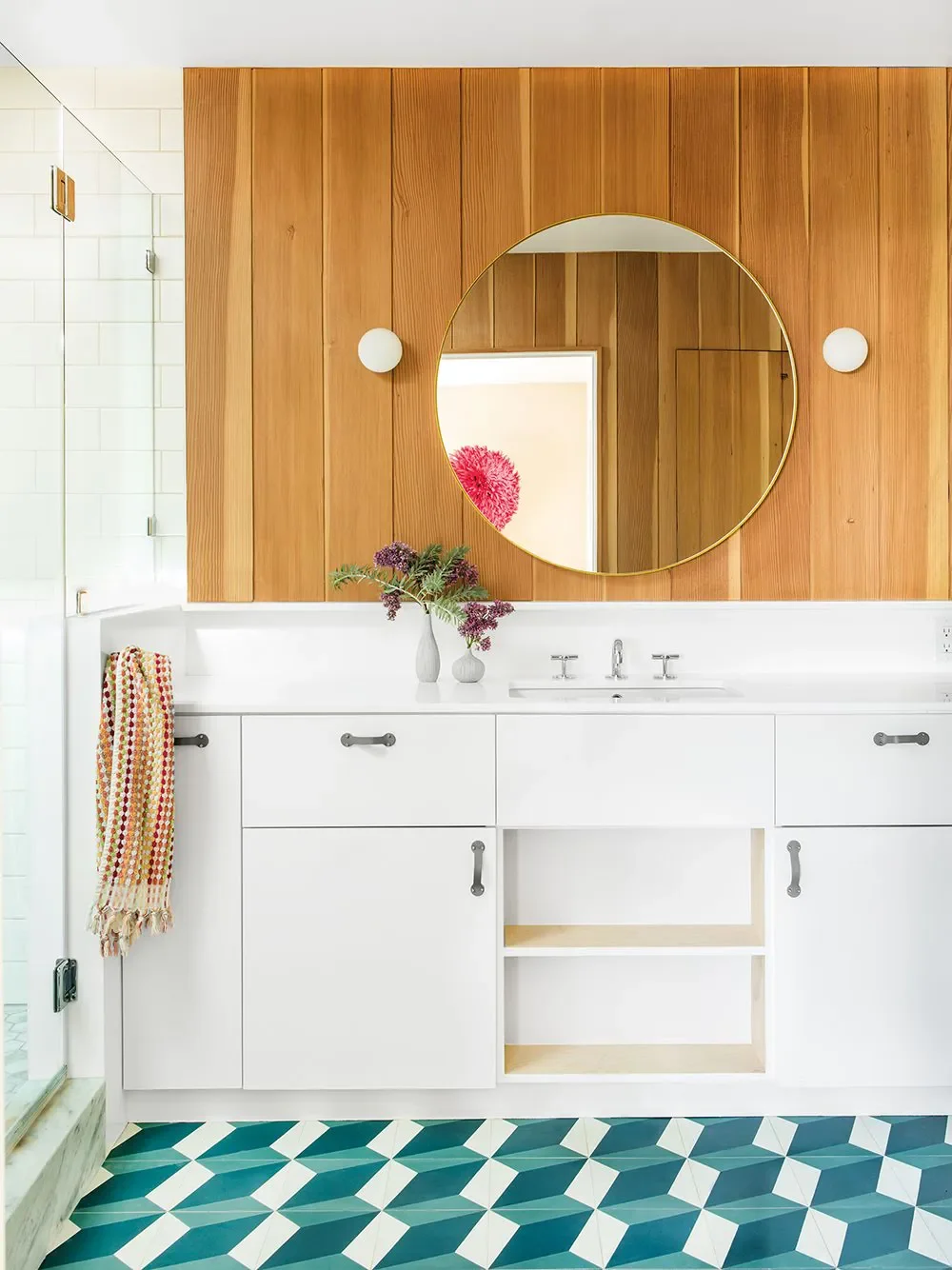
Designed by Barbara Bestor
Layer In Personality—With Thoughtful Restraint
A mid-century home doesn't need a lot of embellishment. But that doesn't mean it should feel generic. Art, textiles, and collected objects should be curated and intentional—each piece telling a bit of your story. The best spaces feel designed, not decorated.
Pro Tip:
Try pairing something vintage (like an Eames lounge or a George Nelson lamp) with something unexpected and current. This juxtaposition gives your home a sense of timelessness that never feels stuck in the past.
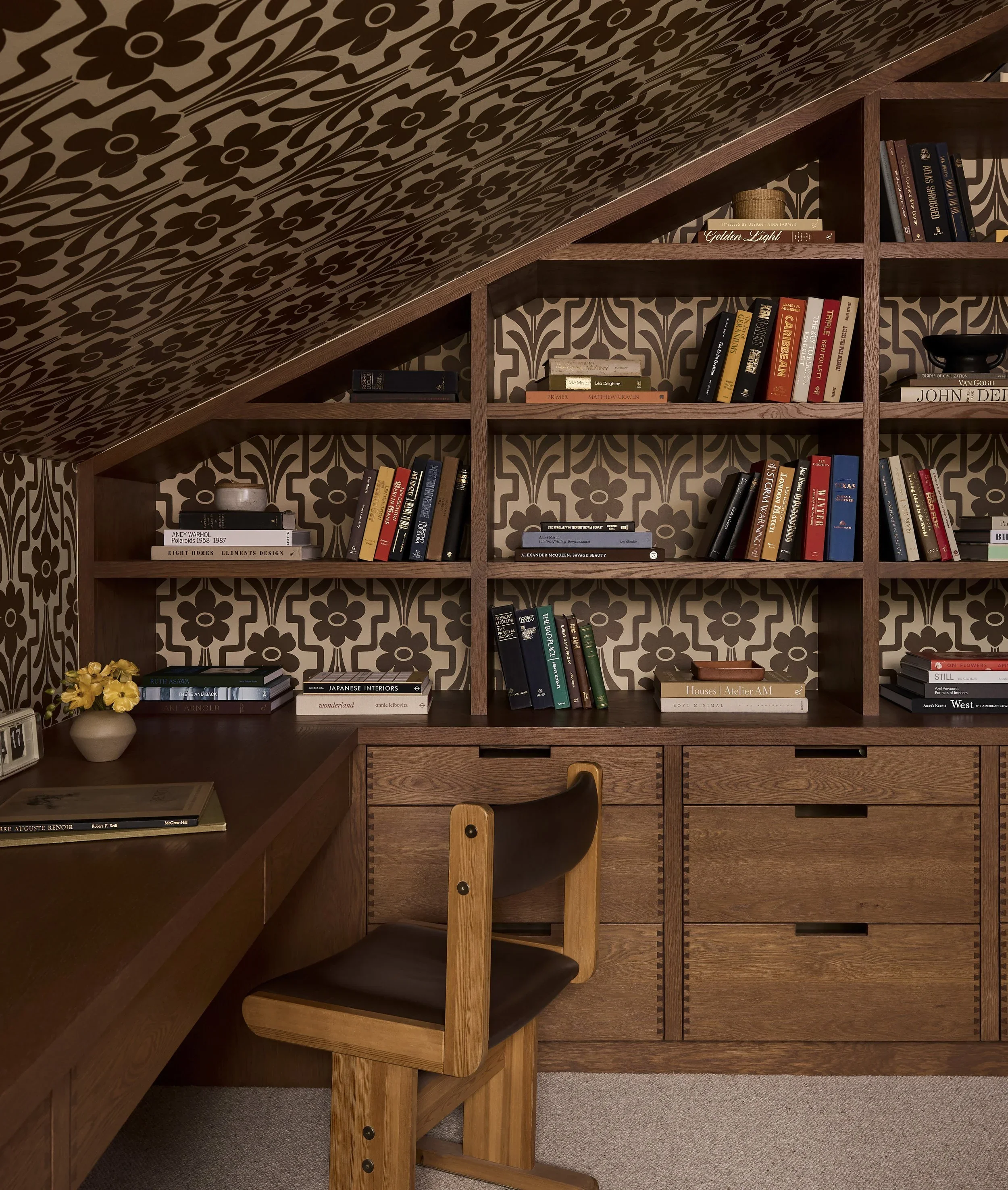
Design by Yond Interiors
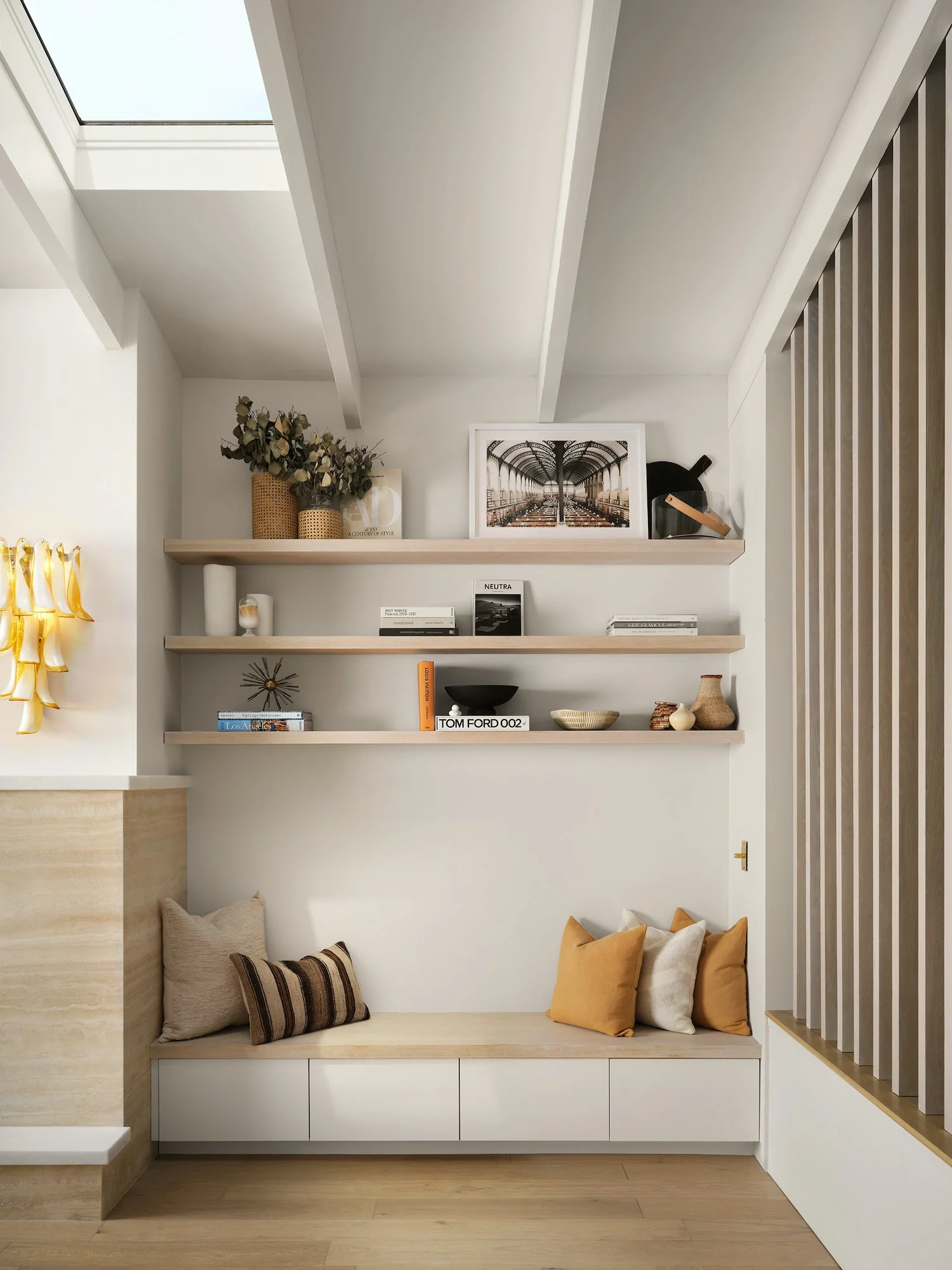
Designed by Christina Kim
Conclusion
Renovating a mid-century home is equal parts preservation and possibility. In Orange County, where indoor-outdoor living is a way of life, these homes are perfectly suited for a thoughtful refresh. Embrace the unique architectural features, keep the materials honest, and infuse your personal style. With the right balance of reverence and reinvention, your home can celebrate the best of the mid-century era while giving you the comfort and tailored functionality of modern life.
Looking for thoughtful, expert design for your Orange County mid-century home? As an Orange County interior designer with a deep appreciation for the mid-century interior design style, we’d be honored to help—reach out to get started.

5 Reasons Why You Need an Interior Designer Before Hiring a Contractor
Are you embarking on a home renovation journey? If you want to start off on the right foot, end with your dream home vision realized, and go through the whole process without pulling out your hair, then we highly recommend you start by considering the crucial role of an interior designer. Here are 5 compelling reasons why engaging with a designer before hiring a contractor is the smartest move you can make in order to build your dream home.
Are you embarking on a home renovation journey?
If you want to start off on the right foot, end with your dream home vision realized, and go through the whole process without pulling out your hair, then we highly recommend you start by considering the crucial role of an interior designer. Here are 5 compelling reasons why engaging with a designer before hiring a contractor is the smartest move you can make in order to build your dream home.
1. Accurate Cost Estimates
Without a preliminary plan in place, contractors won’t know if you want to add new decorative lighting, tile an entire focal wall instead of just the shower, or add decorative wood paneling. That means their bid will typically be lower than what is actually needed to execute your vision. An interior designer can provide detailed drawings that yield more precise estimates. Armed with a clearer understanding of the project's overall cost, you can make better-informed decisions and be prepared for any financial implications.
One example: Sally Smith came to me after she’d already hired a contractor who bid her $300k for her whole home remodel without materials. I told her the number sounded unrealistically low. While she knew the cost would increase, she was shocked when change order after change order brought the total cost closer to $800k to give her the design she had wanted from the beginning.
2. Seamless Timing and Coordination
Good design takes time! Beginning the design process early helps ensure smooth collaboration between designers and contractors. Don't wait until after the demolition has begun to hire your interior designer! Engaging a designer first will place a reliable roadmap ahead. This approach yields multifaceted benefits: it provides valuable insight into comprehensive costs, prevents time constraints or delays and safeguards against impulsive design choices that often lead to costly change orders. At Vieve Interior’s we have a tried and true process to make sure our projects run smoothly.
Pro tip: Give yourself at least one month of design time for a single room, and up to 10 to 12 months for a full home redesign before construction begins. That way you’ll be able to get contractor bids, start the permit process, and have everything in order before you break ground.
3. Avoiding Design Mishaps
Doors & Windows and Appliances, oh my! These big ticket items have long lead times and must be ordered well in advance. Having a designer onboard from the start prevents design limitations that could compromise your space's functionality and aesthetics.
A note: A designer will holistically consider whether windows should come all the way to the floor, or if you need wall space below for a nightstand or cabinet? They will determine if wall ovens are the most functional for you or if a range with ovens below will better create the open and airy feel you want in your new kitchen? Without knowing details like this ahead of time, you might order costly windows you don’t need or be stuck with a layout that isn’t inline with your vision.
4. Expert Design Insight & Curated Material Selection
General contractors are focused on execution and are typically NOT design experts! A good Interior designer will consider your vision, aspirations, and goals and infuse their artistic insight to turn your vision into a stunning reality. They also offer access to exclusive suppliers, high-quality materials, and unique fixtures and furnishings to elevate your home’s sophistication, ensuring it reflects your taste.
A note about Design-Build contractors: While a “design-build” company may be helpful, they are typically providing the drawings strictly to get permits and get your project going. They are not experts at curating tailored material selections or coming up with custom cabinet solutions. Most don’t do these things at all and and rely on you to select every finish, fixture. Some may offer material selection services, but limit your options to a small selection of vendors they favor for profit reasons. An interior designer will help ensure you don't get locked into subpar solutions that compromise your aesthetic or functional preferences.
One example: When I was brought into Mary Joes project I discovered her contractor was trying to push her into using man-made quartz countertops when she specifically wanted the unique glamor of Cristallo quartzite. That contractor not only didn’t know where to source such stone, he was also trying to guide the design decisions for his own profit margin. His focus was not her vision.
5. A Trustworthy Network
Experienced designers have established relationships with reliable general contractors and skilled tradespeople. Their recommendations ensure that you collaborate with professionals who can bring your vision to life seamlessly.
A note: Your designer will likely know contractors at who provide different levels of quality at various price points. They can guide you to those that are right for your preferences and project budget.
Embarking on a home renovation is an exciting endeavor, and hiring an interior designer can be the key that unlocks its full potential. A skilled interior designer acts as your advocate, translating your dreams into tangible realities. From igniting creativity to overseeing logistics, their involvement lays the foundation for a successful transformation that speaks to your unique style and needs.
Ready to embark on your dream home renovation journey the right way? Contact us today to get started on a remodel project that promises both beauty and functionality. Your vision, our expertise – the perfect partnership for a stunning home transformation.


Elevating Your Space: How Hiring an Interior Designer Can Make Your Home More Elegant
Your home is a reflection of your personality and style, and every detail matters when it comes to creating a space that truly speaks to you. While DIY home decor projects can be enjoyable, there's an art to crafting a cohesive and elegant look that goes beyond arranging furniture and picking paint colors. This is where the expertise of an interior designer comes into play. Hiring an interior designer can transform your space into an oasis of elegance, combining functionality with aesthetics in a way that captures the essence of your vision. In this blog, we'll explore how the guidance of a professional interior designer can elevate your home's elegance to a whole new level.
Your home is a reflection of your personality and style, and every detail matters when it comes to creating a space that truly speaks to you. While DIY home decor projects can be enjoyable, there's an art to crafting a cohesive and elegant look that goes beyond arranging furniture and picking paint colors. This is where the expertise of an interior designer comes into play. Hiring an interior designer can transform your space into an oasis of elegance, combining functionality with aesthetics in a way that captures the essence of your vision. In this blog, we'll explore how the guidance of a professional interior designer can elevate your home's elegance to a whole new level.
1. Personalized Aesthetic
Interior designers possess a unique ability to translate your personal preferences into tangible design elements. By working closely with you, they can understand your style, preferences, and the atmosphere you want to create. Whether your taste is contemporary, traditional, minimalist, or eclectic, an interior designer can curate every aspect of your home to align with your aesthetic vision.
2. Fusion of Beauty and Functionality
Elegance is not just about aesthetics; it's about creating a space that is not only visually appealing but also functional and practical for everyday living. This is where the expertise of an interior designer truly shines. By deeply understanding your aesthetic preferences and how you intend to use each space, a skilled designer ensures that every layout decision, from furniture placement to traffic flow, maximizes the potential of your space and strikes the delicate balance between aesthetics and usability. This craftsmanship culminates in spaces that not only looks stunning but also enhances your daily life.

3. Attention to Detail
Elegance often lies in the details. Interior designers have an eye for detail and pay extra attention to aspects of the home that a homeowner may not. With their keen eye for selecting the right accessories, finishes, and textures, they can enhance the overall ambiance of a room. From choosing the perfect lighting fixtures to selecting fabrics that complement each other, their attention to detail elevates your home's atmosphere from ordinary to extraordinary.
4. Customization and Uniqueness
Cookie-cutter designs can't match the exclusivity that an interior designer can bring to your home. With an interior designer, You’ll take more risks (in all the right ways). They can suggest custom-made furniture, unique decor pieces, and one-of-a-kind artwork that align with your vision. This level of customization adds an air of sophistication that is hard to achieve through mass-produced items.

5.Access to Reliable Contractors and Tradesmen
One of the often-overlooked benefits of hiring an interior designer is the network of professionals they bring to the table. From skilled contractors to experienced tradesmen, interior designers have established connections with reliable professionals in the industry. This competent craftsmen that they can recommend and oversee during the project ensures that any renovation or remodeling work is executed with precision and quality.
6. Time and Cost Efficiency
One of the biggest myths is that hiring an interior designer costs more, whereas professional help can actually help you save money. While it might seem counterintuitive, hiring an interior designer can actually save you time and money in the long run. Their industry connections and knowledge of local suppliers can lead to cost-effective solutions, preventing you from making expensive design mistakes. By streamlining the decision-making process, they can help you avoid common pitfalls that lead to wasted time and resources, particularly if you’re renovating or building a new home where you need to make some pretty permanent design decisions.
7. Stylistic Balance

Achieving a balanced look that marries different design elements is an art form. Interior designers possess a knack for mixing various styles, textures, and patterns in a way that results in a cohesive and elegant space. They can help you strike the right balance between minimalism and opulence, creating a home that feels effortlessly sophisticated.
8. Cohesive Flow Between Diverse Spaces
One of the remarkable skills of an interior designer lies in their ability to establish a cohesive flow even when transitioning between rooms with varying moods and vibes. While each room may have a distinct personality, an expert designer can introduce subtle elements that tie them together. This could be through consistent color accents, shared design motifs, or the careful placement of complementary decor. The result is a home that feels harmonious and connected, despite the diversity of its spaces.
Hiring an interior designer is an investment in not just your home's appearance, but also in the quality of your daily life. By infusing their expertise into your design journey, you can transform your living spaces into havens of elegance and refinement. The guidance of a professional interior designer allows you to focus on enjoying your home while they take care of the intricate details that make it a true masterpiece of design.
If you're ready to transform your home into a haven of elegance, we're here to help! Reach out to us today to discuss how our interior design services can bring your vision to life.
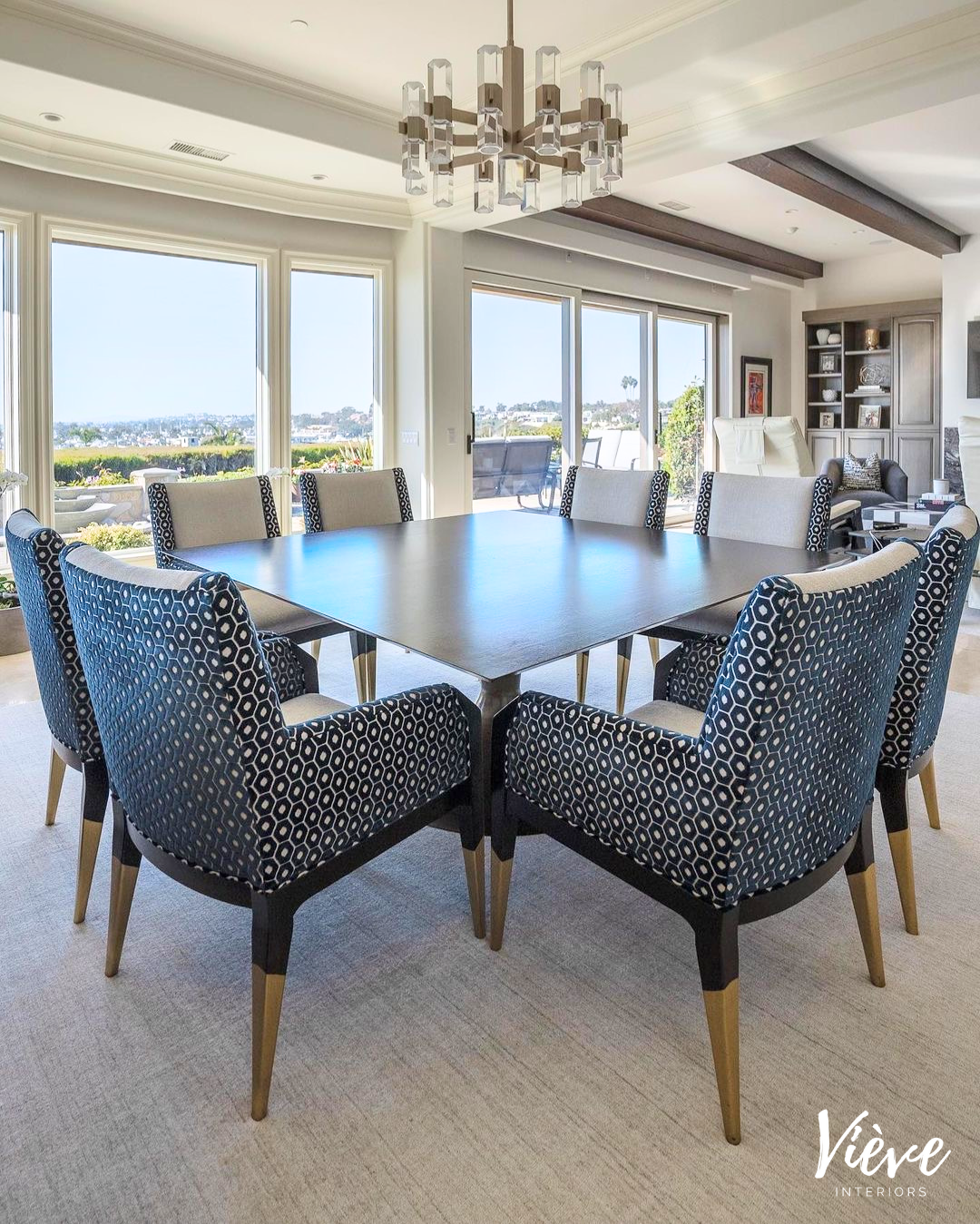
How the Interior Design Process Can Improve your Property Value
Plan to sell your Orange County home? You have to attract buyers and beat the competition! One sure way to do that is to make home improvements. Here are the best interior design and home renovation decisions you can make for the greatest ROI.

Orange County real estate is a hot topic! Which is no surprise—given the beautiful beaches, quick drive to scenic mountains or desert landscape, the amazing food and entertainment…oh, and the almost-perfect-year-round weather! However, compared to last year, the housing market isn’t as booming, and doesn’t seem to favor the seller at the moment.
That means that if you plan to sell your Orange County home, you have to beat the competition. One sure way to make your home stand out from your neighbor’s is to make home improvements. In fact, Forbes said this: "With a few strategic home improvement projects, you can not only increase your quality of life in the near-term future, but also add tremendous property value when you’re ready to sell."
We consulted top Orange County real estate agent Erica Hall of the Hall Group, on the subject. Here’s what she had to say.
“In today’s real estate market, with 52% fewer sales than this time last year, homes must outshine the competition in order to win buyers. That’s why the smartest homeowners are investing wisely into home improvements and design. Not only are they seeing greater success in attracting buyers, but they’re seeing greater return on investment as well. In general, data shows a 70% ROI can be expected on home improvements. This can vary significantly depending on the type and scale of the improvement, but time after time, my experience as a realtor has shown me that my clients’ home equity, and ultimate bottom line in a sale, is much greater when they invest in interior design and home improvements. Even if you’re not planning to sell in the immediate future, you and your resale value will thank you later!”
To help you a) get the most out of your Orange County home while you’re living in it; b) attract more buyers when it comes time to sell; and c) achieve the greatest ROI, we’ve put together a list of the best interior design and home renovation decisions you can make!
Modernize and remodel your kitchen
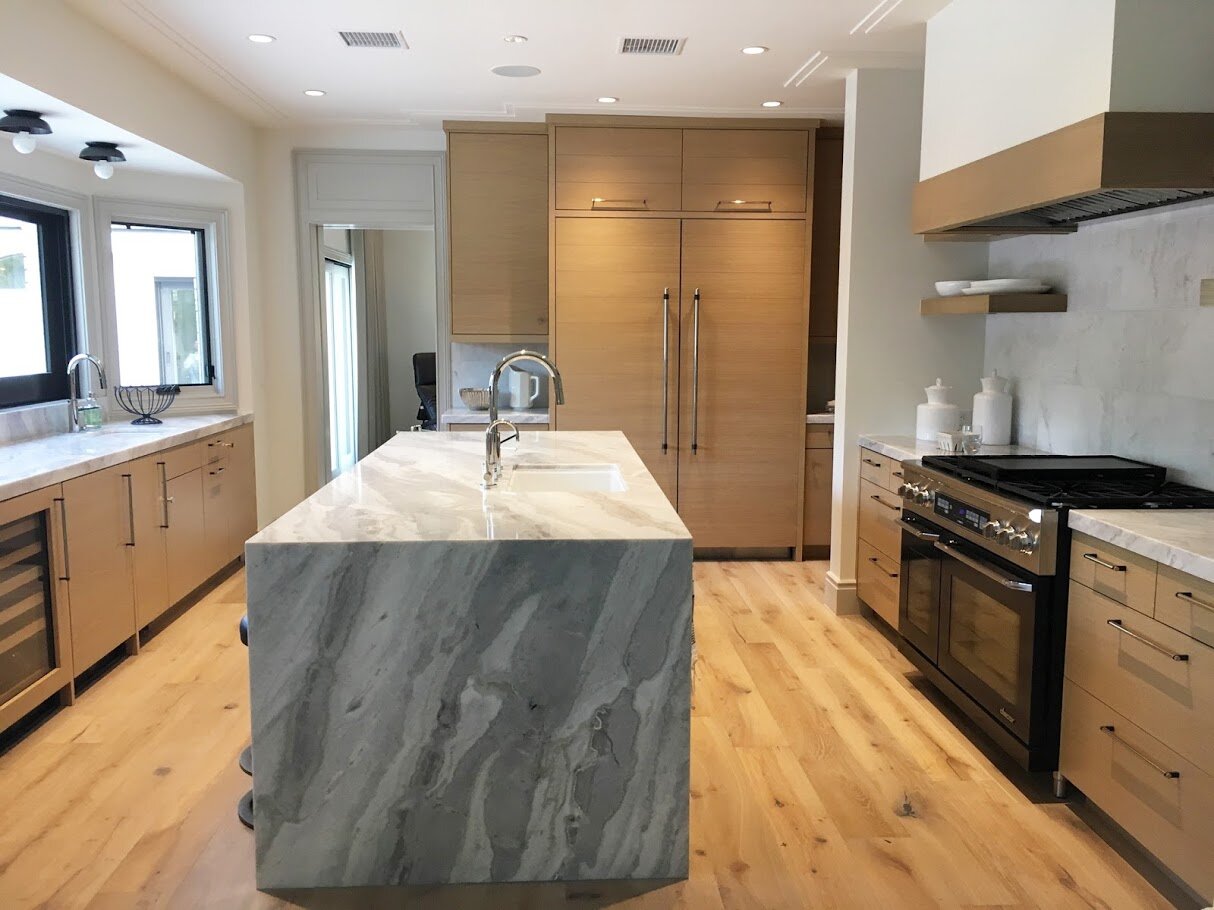
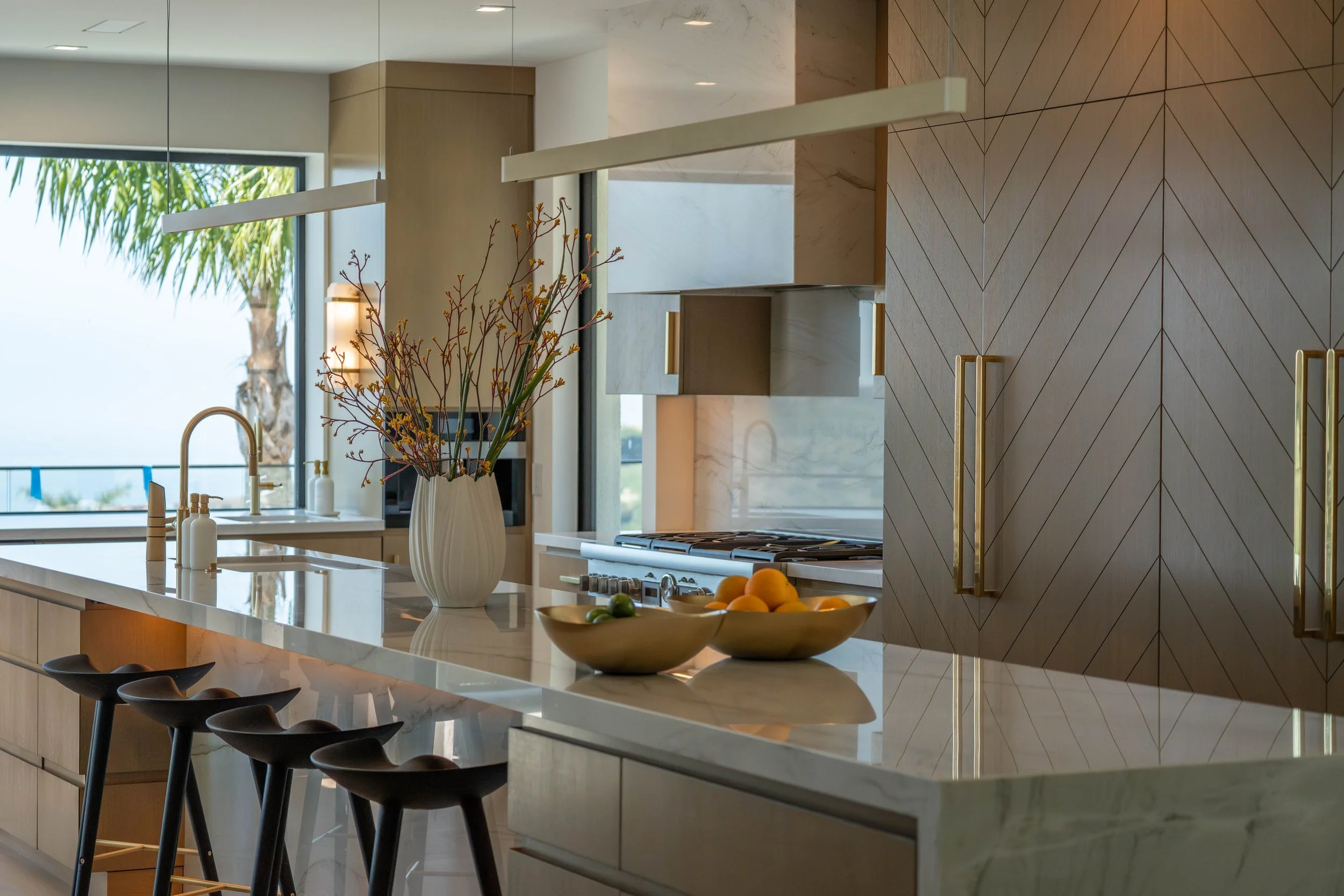
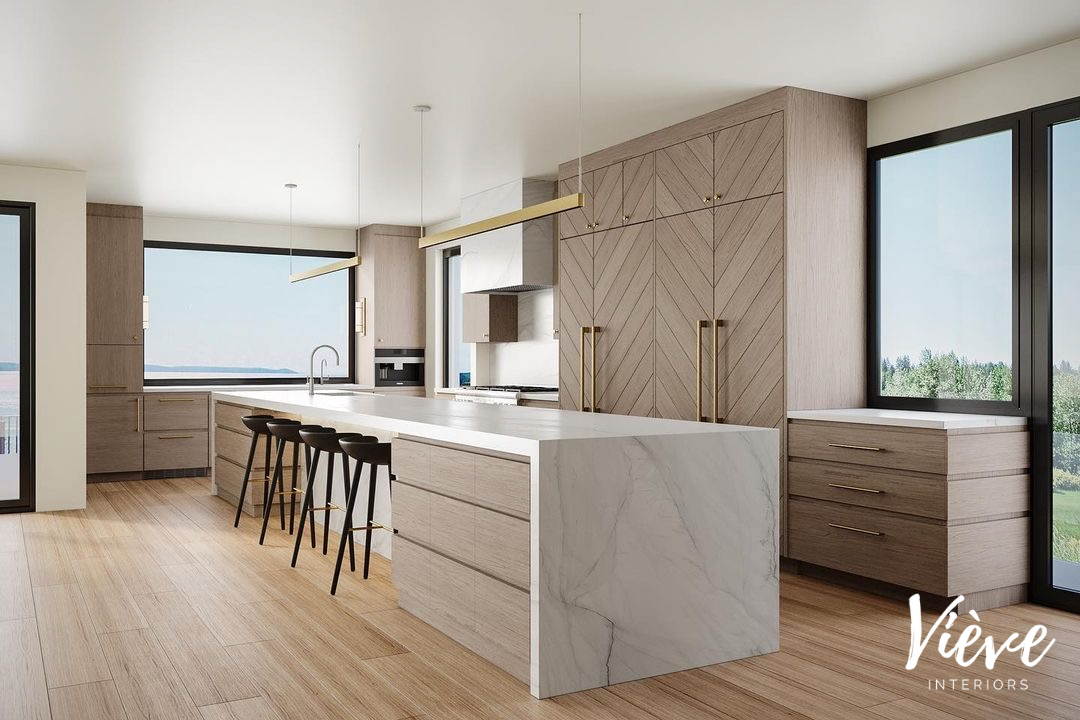
The number one home renovation recommendation we get from real estate agents, financial publications, or housing market professionals is to remodel and modernize the kitchen first! I can’t count the number of times I have heard, “kitchens sell homes.” If you choose to upgrade only one room in your Orange County home before it goes on the market, we recommend that it be your kitchen. Need some ideas on how to modernize and remodel your kitchen? Check out Transform Your Average Kitchen into Luxury with 12 Stunning Remodel Must-Haves.
2. Give your bathrooms an upgrade
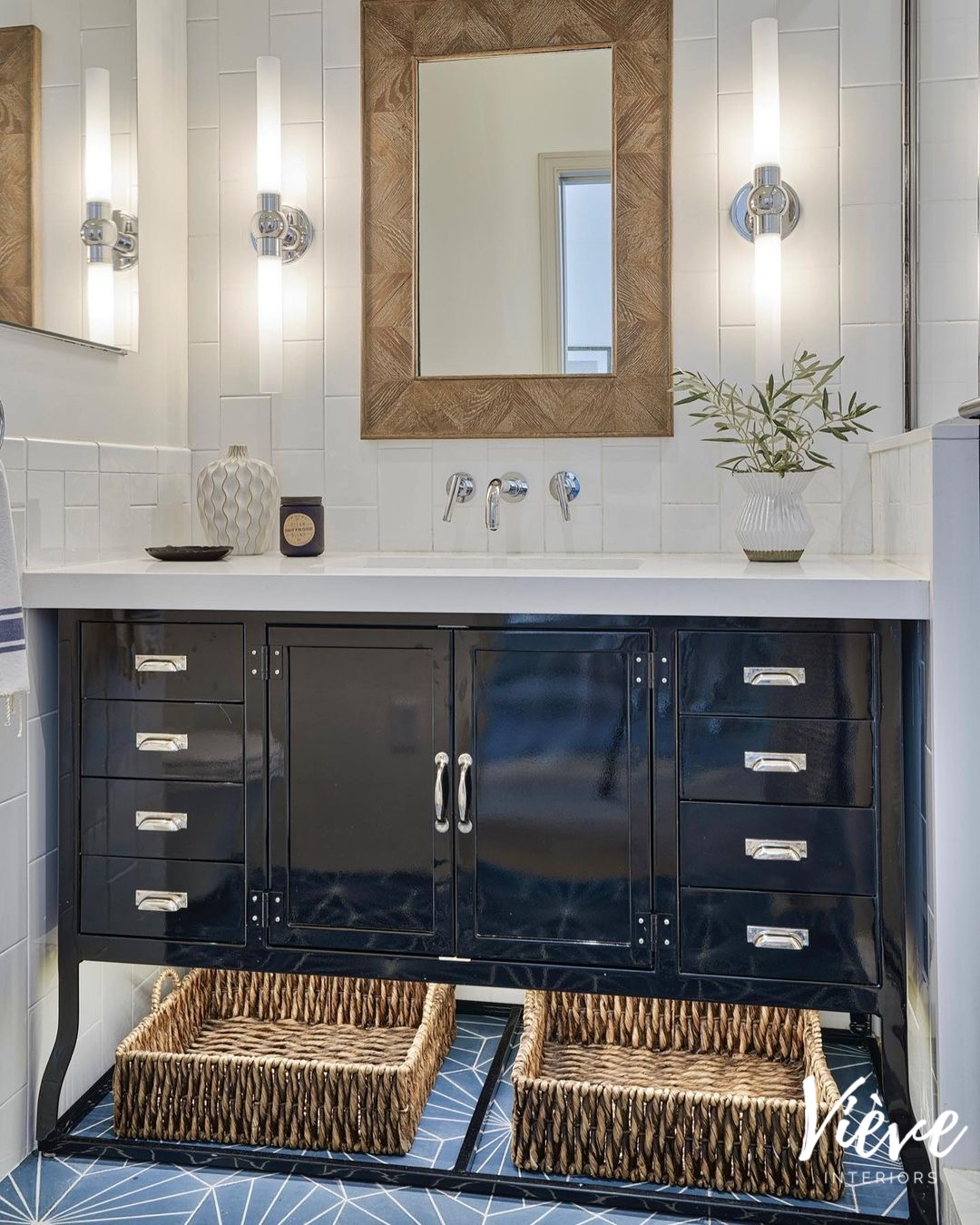
Today’s Orange County homeowners are looking for a luxury bathroom that feels spacious, stylish and functional! If your bathrooms aren’t giving off that vibe, you may want to consider making some interior renovations to it before putting up that “for sale” sign. Upgrading old floors with fresh tile or stone, or swapping out old vanities for new ones, are great ways to give your bathroom a fresh look. Even minor renovations like updating fixtures and lighting, giving your cabinetry a new paint job, adding a larger mirror for a more spacious feel, or replacing your old tub with a stand-alone tub will boost your home’s value. In fact, HGTV says that you can get 102% average return at resale for a minor bathroom remodel. For more bathroom upgrade tips, check out Interior Design: Best Tips to Update Your Bathroom!

3. Make smart bedroom conversions
Have an unused room in your home? Stand out by turning wasted space into a luxury home gym, indoor spa or sauna, or functional home office. If you don’t have much space to spare, you can help potential home buyers in Orange County visualize what they can do with your home by turning the attic into an extra bedroom, or creating multi-use, multi-functional spaces in larger rooms of your home. Consider a home office that doubles as a craft room, school/study space tucked in a game room, or a reading nook or meditation/yoga space in a bedroom. These dual-use spaces are so important as want and need for multipurpose spaces in interior design continue to trend upwards!
4. Wow them at first sight with an exterior facelift
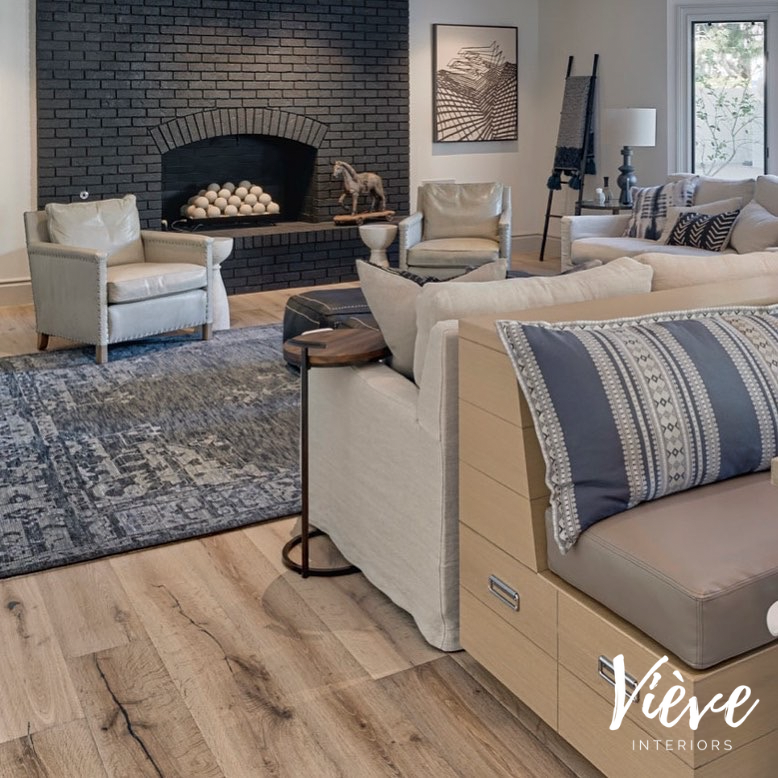
The exterior of your home should never look or feel neglected—it is the first opportunity you have to make a good first impression with your home. A well manicured lawn, clean facade, and fresh-looking paint job should be the bare minimum to attract Orange County home buyers. To really make your exterior look luxurious, pay attention to the details: replace old drains, remove non-load-bearing columns to opt for a more open modern look, repaint doors and trim (or the whole house if it's been a while), fix the cracks in your walkways and pool—you get the gist! And last, but certainly not least, update your landscaping for 100% average return at resale.


5. Add some smart features and luxury touches to your home
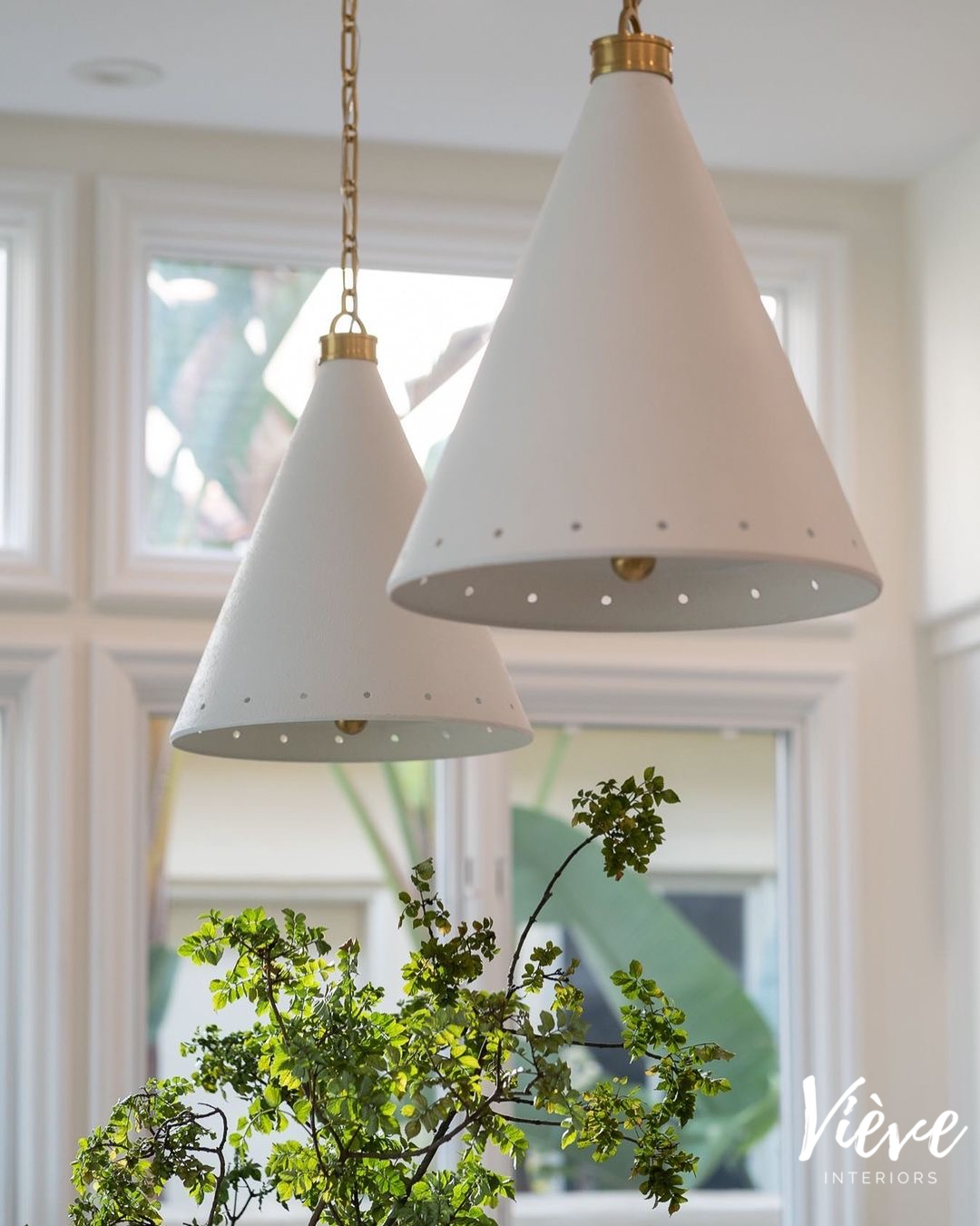
Given that we’ve been discussing Orange County interior design, you’ll definitely want to add some pizazz with custom touches and smart features to your home. Keeping in mind that you still need to appeal to the average home buyer, add in the custom touches that everyone is talking about. Here’s a list of our favorite:
A smart hub that can manage thermostats, appliances, lighting, music, and more!
Smart smoke detectors that will not only monitor smoke but also carbon dioxide and general air quality.
Smart shades or electronic blackout curtains in the master bedroom.
Dimmable LED tape lighting under upper kitchen cabinets or at the bathroom vanity toe-kick.
Panel-ready appliances (like your dishwasher, wine fridge, or ice maker).
Counter-depth refrigerator and freezer combo.
A beverage cooler drawer.
Waterfall-edge slab countertops on your kitchen island.
Soft-close drawer glides and hinges throughout.
Epoxy flooring in your garage.
For more home remodel tips, download our FREE comprehensive remodeling planning guide for remodeling success. This step-by-step guide will help you remodel your Orange County home like an interior design pro!

Save this blog post for later on your Pinterest Home Renovation Ideas Board!

3 Reasons Why You Should Remodel Your Home Now
Whether you recently purchased a fixer-upper, are looking to sell your home, or want the latest and greatest interior design features, now is the time to start your home renovation project. Discover the top three reasons why interior designers believe you should remodel your home now!
Whether you recently purchased a fixer-upper, are looking to sell your home in the near future, or simply want to live in a home with the latest and greatest design features, we believe there's no time like the present to start your home renovation project. But should you remodel now in 2022/2023? Business Insider says that the other side of the housing boom is here: home-renovation projects. In this post-pandemic climate, people all over have realized the value of a comfortable home environment. Here are the top three reasons you should remodel your home now and not wait to create that cozy, sacred space that you crave.
1. Materials could be unavailable in years to come.
One of the biggest motivators for remodeling your home now with the talk of a coming economic decline is a likely shortage of materials in years to come. Prepping Planet stated that if you are planning to renovate your house then it is a good idea to buy the materials before a recession comes. During a recession, these construction materials will not have the same demand, which in theory should make their prices lower, but the truth is that most companies will simply stop selling until the market bounces back. Furthermore, we are still seeing shipping delays, so the sooner you can get your materials ordered, the better!
2. Buyers will expect homes to be in tip-top shape.
Selling your home before a recession may be the perfect opportunity to liquidate your equity and build up your nest egg. But today’s housing market is tricky. While some homes in Orange County are still selling over asking price, other sellers are forced to accept offers hundreds of thousands of dollars less than asking price. The bottom line is this: Buyers feel that if they’re going to be paying the full asking price or above, the house should be worth it. Rightfully so. That means that a seller’s home must be in tip-top shape! Read on to hear more about the top spaces to renovate.
3. Home renovations are an investment.
There are a number of reasons to remodel your home including personal taste or comfort, to fix an issue like the electrical wiring, or simply to improve the efficiency and functionality of your home. But the #1 reason to remodel your home is to increase your home’s value.
The areas of your home that will increase your home’s value and provide you with the greatest return on investment (ROI) are kitchens, home offices, and outdoor spaces. We also believe that accessory dwelling units (ADUs or granny flats) could also have made the list, but we will tackle that at a later time.
The Kitchen
One survey says Americans spend more than an average of 400 hours a year in the kitchen. It’s where we start the day with a morning coffee, where we commune with friends over a snack and a spindrift, and where we come together with family at the end of the day to make a meal and connect. Hence a kitchen remodel will provide the greatest ROI compared to any other room renovation. An upgraded high-end kitchen will clearly appeal to homeowners and home buyers alike. When remodeling your kitchen, it's vital to keep a few key things in mind:
Design an open layout for cooking and entertaining so family and friends can easily gather.
Don’t forget the “work triangle” when spacing your alliances.
Opt for chef-grade appliances and smart-home features.
Choose flooring that will withstand wear and tear, but also flow nicely with the rest of your home.
Add some personality in the kitchen: splash in a pop of color with painted cabinetry, go big with impressive countertops, or choose a fun tile pattern for the backsplash or flooring.
Hide the trash, recycling and refrigerator behind cabinet doors for a high-end custom look.
Install larger pantries and hidden storage spaces to maximize functionality.

Kitchen designed by Viève Interiors
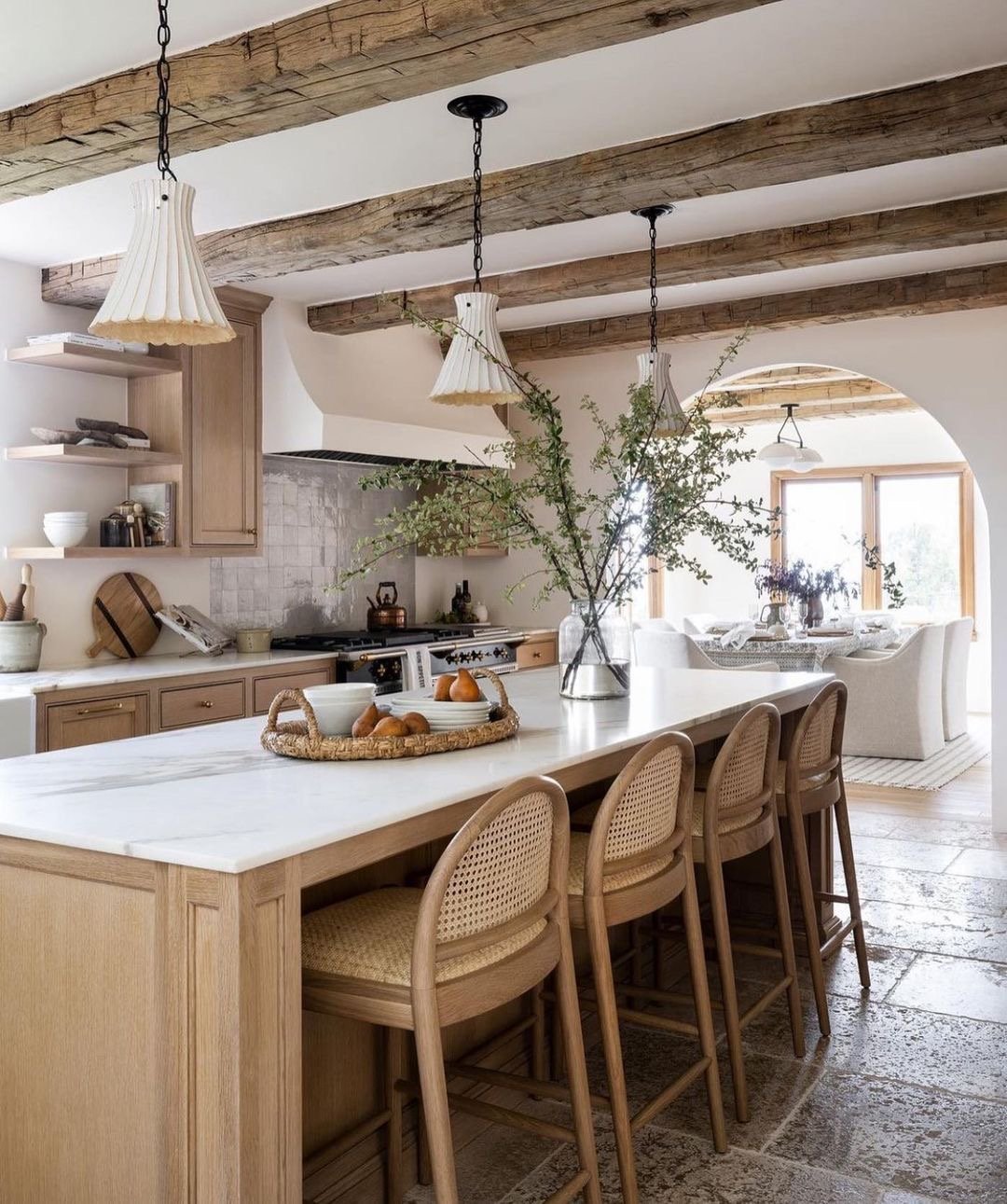
Photo credit: @studiomcgee

Photo credit: @studiomcgee

Photo credit: @intimatelivinginteriors

Photo credit: @harveyjoneskitchens

Photo credit: @soldbuytrae

Photo credit: @the_stables_
The Home Office
More than a third of U.S. households reported working from home more frequently than before the pandemic, so home offices are in higher demand than ever before. A home office remodel can also be a tax write-off (don’t forget to consult your tax accountant first ;). But keep in mind that designing an efficient and aesthetically pleasing home office requires careful planning and a greater investment than just adding a desk and computer to an empty bedroom. There are a number of design elements to consider when putting together a home office:
Lighting—what will function best for your work? Is it a task light for detailed work, bright all over light to energize you, or lighting that illuminates your face for your frequent Zoom meetings? If you work best in day light, consider installing large windows or doors to the outside to help let in more natural light.
Noise—are you hosting meetings regularly while next to a room of noisy kids? Explore all your noise-canceling options like strategically placed paneling or thicker drywall.
Technology—aside from the usual office must-haves (computer, printer/scanner, extra monitors, etc.), ask yourself if you need a specific sound system or speakers, video equipment, special charging docs, etc. to get your job done efficiently.
Use of space—to avoid a cluttered look, make good use of your space with built-in bookshelves, hidden storage, and functional furniture.
Comfort—choose high-end furniture that’s comfortable and promotes healthy ergonomics.
Add plants—I’m a huge fan of adding a little life and color to your home office with house plants. Plus, plants can help relieve stress and improve your mood!

Photo credit: @akbdesign

Photo credit: @nancywalshrealtor

Photo credit: @lindseygilleyinteriors

Photo credit: @decormattersapp

Photo credit: @houseliftdesign
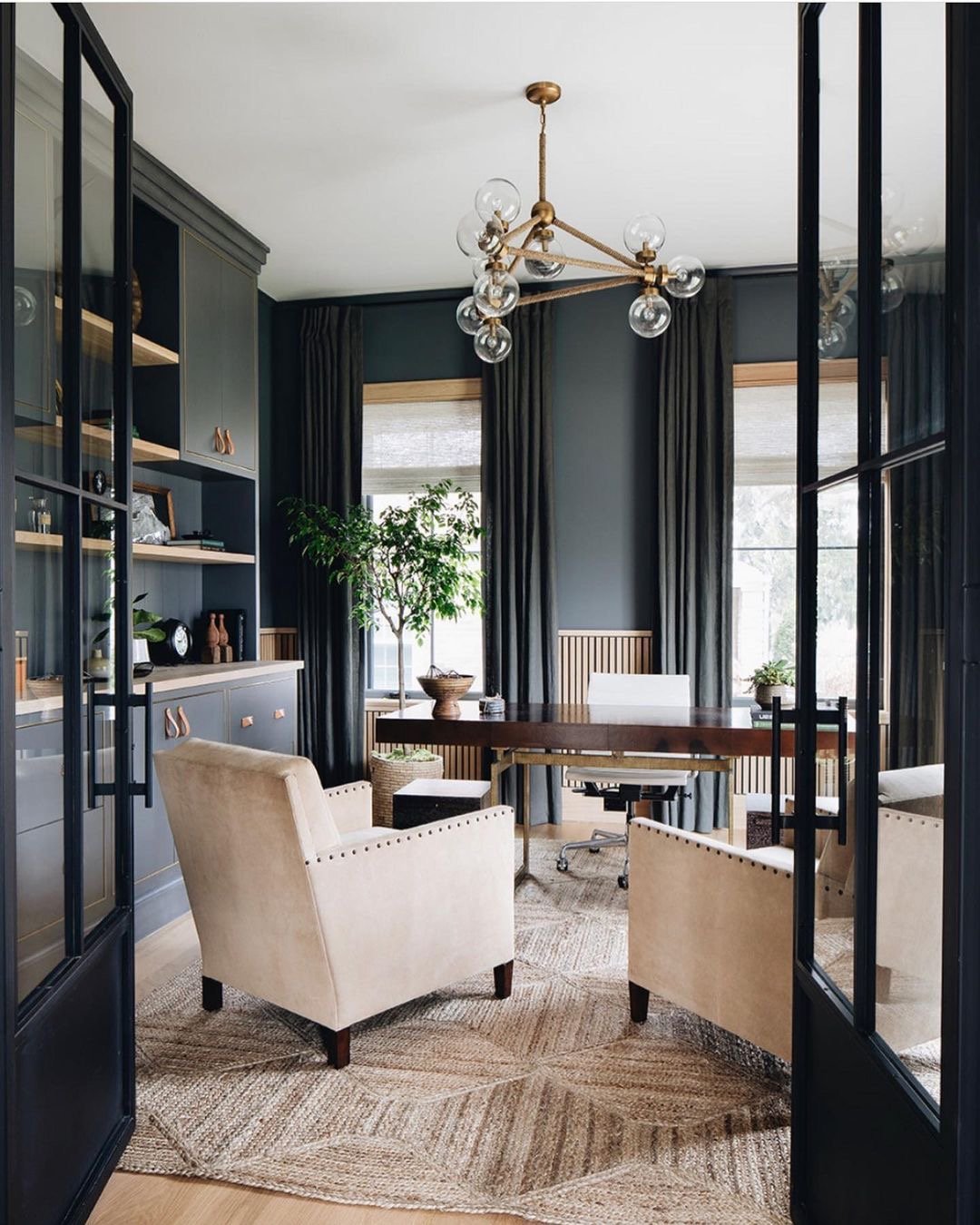
Photo credit: @greenwichhomesct

Photo credit: @setup.blaze
The Outdoor Space
Curb appeal will always be one of the top factors in providing significant value to your home. Before we discuss major exterior renovations consider this: homes with well-kept lawns and professional landscaping sell for 7% more than similar homes with exterior blemishes or unattractive front yards. That’s a huge percentage just for maintaining a mowed lawn. Imagine how much your home value would increase if you invested in the following:
Lush, beautiful flowers and trees
An inviting pathway and pavers
A stunning new garage door
New larger windows
A new and improved deck or fence
New siding, brick or stone veneers, or smooth stucco
Intentional lighting to add a decorative touch or highlight architectural features
Or take it up a notch with a new…
Pool/jacuzzi
Firepit
Entertainments areas with comfortable furniture
Outdoor kitchen and bar
Solar panels
Patio doors
Outdoor shower
Accessible dwelling units (AUD’s or granny flats)

Photo credit: @erdmannexteriordesignsltd

Photo credit: @outdoorlivingdirect

Photo credit: @modern_nest

Photo credit: @haydesigns.co.uk
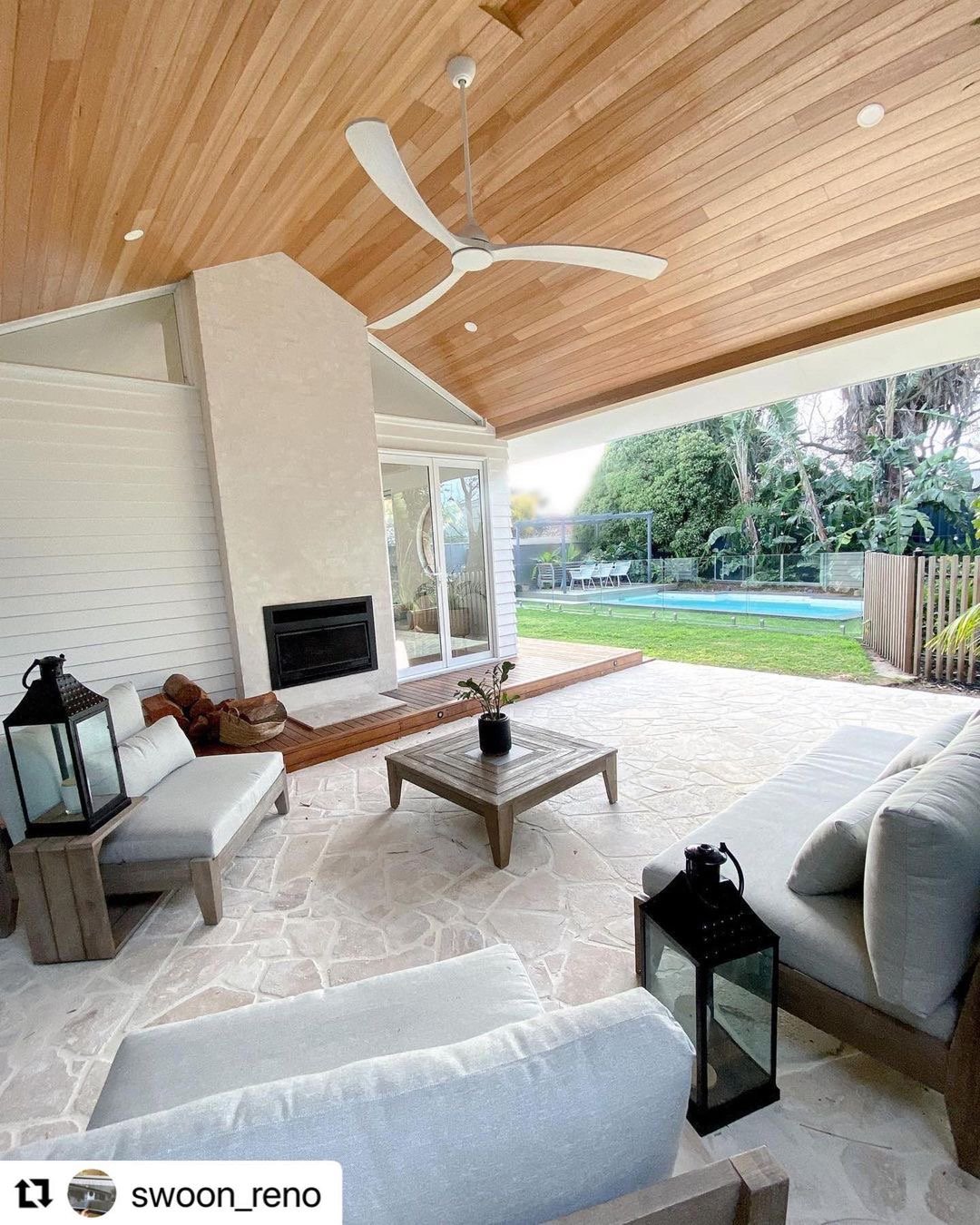

Photo credit: @modern_nest

Photo credit: @modern_nest

Photo credit: @luxclusivehouse
Even though remodeling these areas of your home will give you the greatest ROI, that return will vary greatly based on the materials used, how good the design is and how much you invest. Make sure you hire an interior designer who knows the market, and who will not only listen to what you are looking for but can help you make the best decisions for your remodel. And most importantly, remember that the greatest return from investing in your home is the happiness you get from loving where you live every day. Why wait to create the home that you love when you could start living in your dream home now?

Save this blog post for later! Save to your Pinterest Remodel Ideas Board.
We can help with full-service interior design as well as more limited design only or E-design services. To learn more, schedule your complimentary discovery call today!

Hi friends! I’m Genevieve, ower of Viève Interiors. With an attentive ear, savvy technical skills, and a knack for style, I love helping clients create beautiful, polished and personalized homes that they love. For more information about how we can help you design your dream home, reach out to set up a complimentary discovery call.